How to Sell Bread at Farmers Markets: Complete Guide
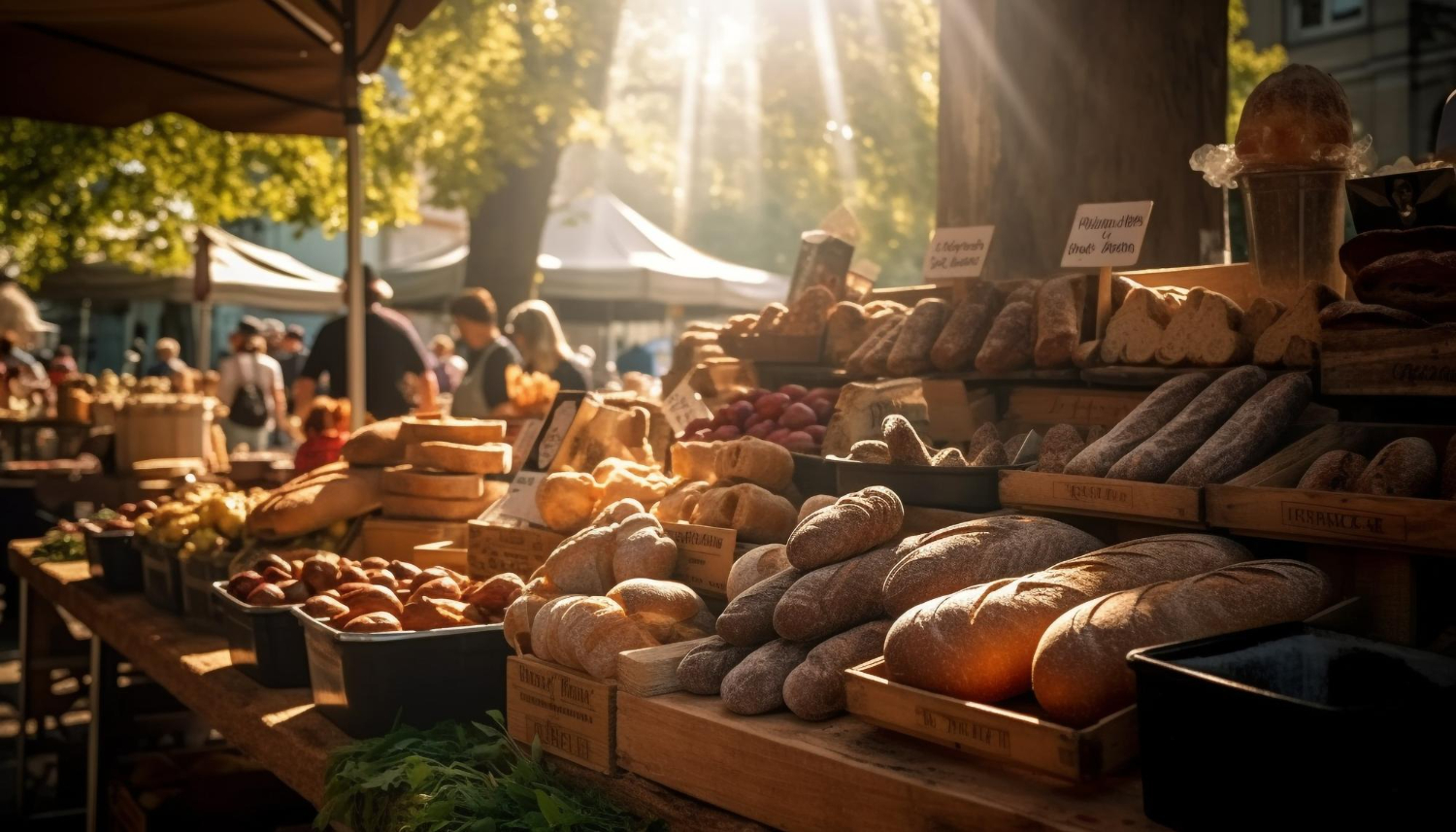
The artisan bread market is increasing, and farmers markets have become ideal spots for local bakers to showcase their products. Bakers who sell bread at farmers’ markets get a chance to build customer relationships and run a profitable business. Local market shoppers love fresh, handcrafted bread, which makes it a perfect choice for people starting food businesses.
This guide shows you how to launch a thriving farmers market bread business. You’ll discover the best ways to pick markets, develop products, set pricing strategies, and create attractive displays. The guide explains licensing requirements, food safety rules, and marketing strategies that help vendors thrive in busy market settings.
Research and Choose the Right Farmers Market
The right farmers’ market selection is crucial for success in bread sales. A complete market analysis ensures green practices and maximizes sales potential.
Could you assess the market size and location?
A farmers market’s location can make or break your business’s success. It would be best if you thought about these critical factors before choosing your market:
- Market accessibility and parking availability
- Operating hours and seasonal duration
- Space allocation for vendor stalls
- Market visibility from main roads
- Available utilities (water, electricity)
- Distance from production location
New vendors often do better at smaller markets than larger, more established ones. Your sales can soar at a well-positioned smaller market with regular foot traffic compared to a bigger market in a poor location.
Analyze customer demographics
Understanding the market’s customer base helps shape bread offerings and pricing strategies. Research reveals that farmers’ market shoppers share common traits:
- Most are female and married
- They hold advanced degrees
- They care about cooking and family meals
- They choose fresh, local foods
- They gladly pay more for quality products
The demographic profile of farmers market customers has expanded over the last several years, creating new opportunities to offer varied products. Different locations attract unique customer segments, making it crucial to align bread products with local priorities.
Think over competition and vendor fees.
Market fees vary widely between locations. Some charge flat weekly rates, while others take a percentage of sales. A typical summer season vendor fee ranges from $100 to several hundred dollars. Some markets also charge percentage-based fees.
Take time to assess these points before you commit to a market:
Competition Assessment:
- Number of existing bakery vendors
- Types of bread products currently offered
- Gaps in the current market offerings
- Ways to make your products stand out
Market Requirements:
- Vendor application process
- Required licenses and permits
- Insurance requirements
- Product documentation needs
Markets usually cap bakery vendors to avoid overcrowding. This helps keep competition healthy and ensures each vendor gets enough customers. Before you make your final call, you should talk to market managers about vendor limits and what you need to apply.
Develop Your Bread Product Line
You must consider market demands and production capabilities to create a successful bread product line. A carefully chosen variety of bread products will help you build a strong presence at farmers’ markets. This approach lets you handle production schedules better.
Choose bread varieties to offer
Innovative market vendors start with a selection of breads that customers love. Experience shows these popular varieties should include:
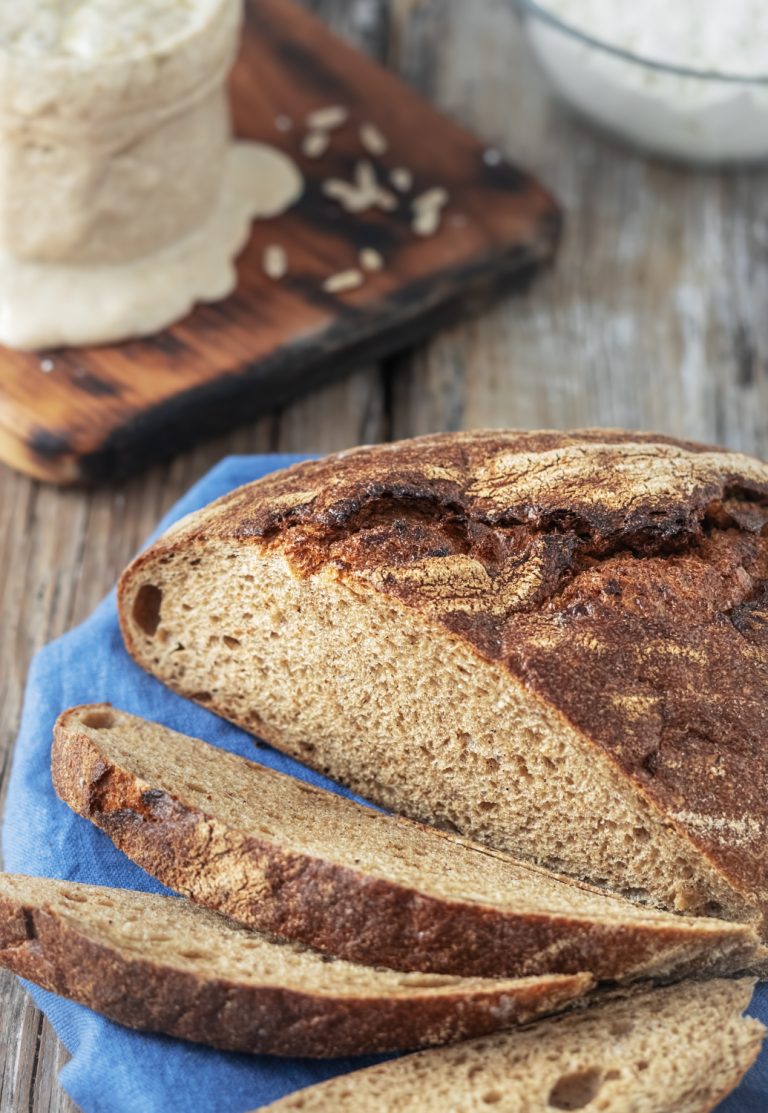
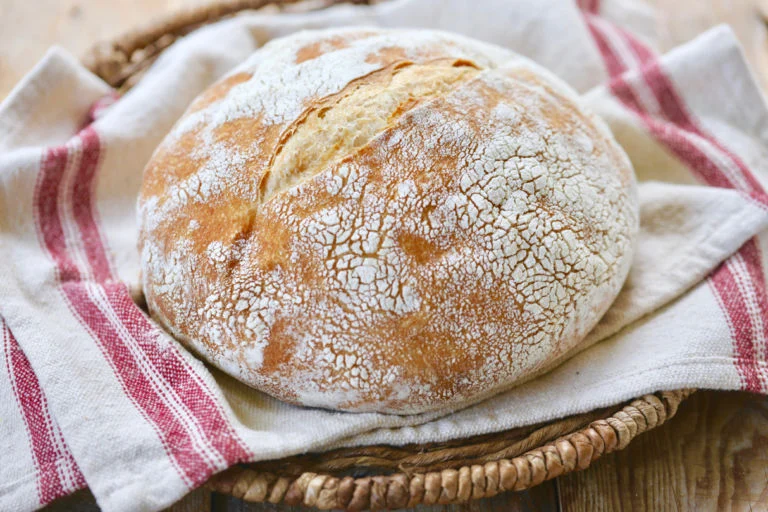
- Classic sourdough loaves
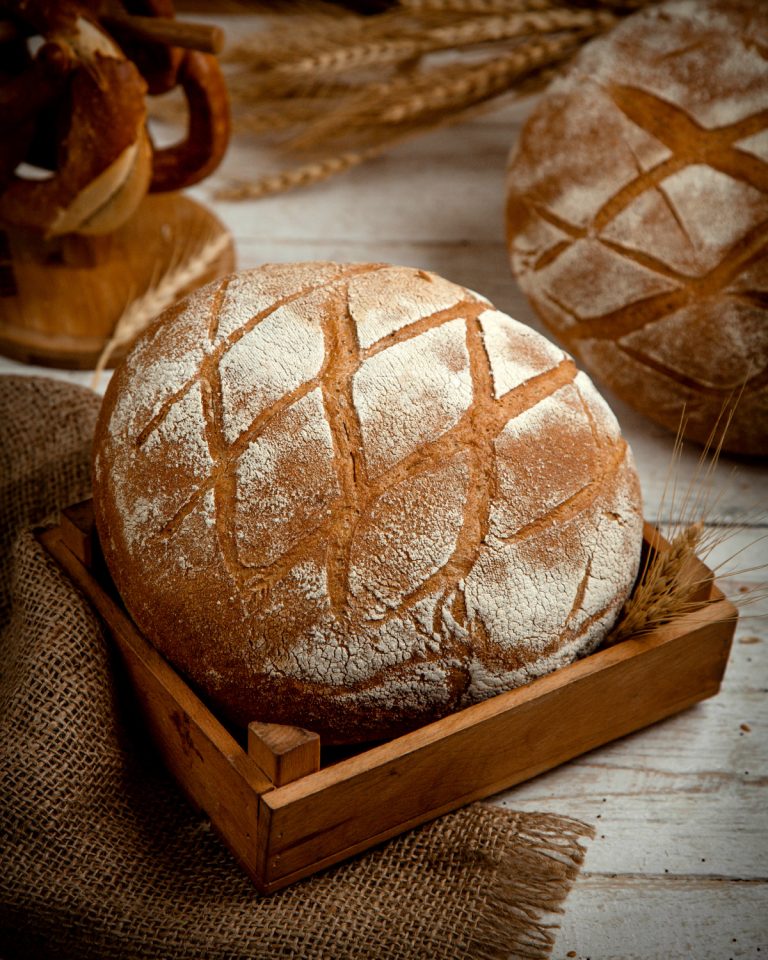
- Artisan baguettes and boules
- Whole wheat varieties
- Specialty seeded breads
- Quick breads and seasonal offerings
Vendors can build their reputation and manage production well by starting with 18-20 loaves. They can scale up to 80 or more as they need more products. Many vendors ultimately sell out, especially with artisan varieties in stock.
Create unique flavors and recipes.
Your farmers market stand needs distinctive offerings that set you apart from others. Signature combinations that turned into soaring wins include:
Customers can’t get enough of our Asiago garlic sourdough. The herb-infused baguettes with red onion, sage, thyme, and parsley bring exciting new flavors. People love the variety in specialty loaves like sun-dried tomato with black olive and seedy bread packed with millet, sesame, and sunflower seeds.
Heritage Breads shows how simple things work best. They use 100-year-old sourdough culture and organic ingredients. Their dedication to traditional methods and quality ingredients has earned them loyal customers who gladly pay premium prices for authentic artisan bread.
Think over seasonal and local ingredients.
Local and seasonal ingredients support your farmer’s market community and add exciting variety throughout the year. Your business will benefit from strong relationships with local suppliers. These connections will give a steady supply of high-quality ingredients.
Innovative vendors grind their wheat berries and buy white flour in bulk, which helps them better control quality. Their steadfast dedication to premium ingredients, especially heritage non-hybridized flours, allows bakers to charge more. Customers learn about the benefits of traditionally produced bread, too.
Clear ingredient labels for each variety help customers choose wisely and trust your products more. Your transparency and use of organic, local ingredients justify higher prices. Many artisan loaves sell successfully at $7.00 each.
A successful product line needs a balance between variety and production capacity. You can start with proven recipes in your core selection. Then, gradually add seasonal specialties. This approach helps bakers build a business model that meets customer needs while maintaining their production capabilities.
Set Up Your Home Bakery
Starting a successful home bakery for farmers’ market sales requires you to focus on legal requirements, proper equipment, and strict safety protocols. A well-laid-out setup will keep you compliant and improve your production effectively.
Get the necessary licenses and permits.
It would be best to start a home-based bakery with specific certifications and permits. Most jurisdictions require food safety training certification for cottage food operations. Bakers must complete approved food safety courses that remain valid for three years. Here’s what you’ll need:
- Food handler’s certification
- Business Registration
- Sales tax permit
- Liability insurance (often required by farmers markets)
- Home kitchen certification (where applicable)
Your state might require you to use certified commercial kitchens instead of home facilities. As an alternative, you can rent church kitchens, community centers, or restaurant facilities during off-hours.
Invest in essential baking equipment.
A complete professional baking setup costs between $60,000 and $200,000. Quality equipment ensures consistent product quality and efficient production. Your bakery needs these essential items:
- Commercial-grade ovens (convection or deck)
- Heavy-duty mixers
- Proofing cabinets
- Refrigeration units
- Storage and shelving systems
- Baking tools and small wares
You can buy used equipment from trusted suppliers to lower your original costs. Equipment financing options help manage upfront expenses while you retain financial flexibility. Your available space will greatly affect your equipment choices, so plan your kitchen’s layout carefully.
Could you set up food safety procedures?
Food safety protocols safeguard your business and customers. NSF certification on equipment will give solid compliance with food safety standards. Proper procedures should include:
Daily Operations
- Clean and sanitize equipment regularly
- Monitor and document temperatures
- Manage ingredient storage
- Follow personal hygiene protocols
Maintenance Schedule
- Check equipment weekly
- Perform deep cleaning monthly
- Run maintenance checks quarterly
- Renew certifications yearly
Your staff needs training on cleaning and maintenance procedures to maximize equipment life and uphold food safety standards. A complete record of cleaning and maintenance activities proves compliance during inspections.
Kitchen planning consultants offer valuable insights about layout design and equipment choices. Their knowledge helps create optimal workflow and meets local regulations. Your equipment investment stays protected through regular maintenance and proper cleaning protocols that deliver the product quality farmers’ market customers expect.
Price Your Bread Products
A solid pricing strategy is the foundation of a profitable farmers market bread business. Understanding your costs and setting the correct prices will help you retain control of your market position and ensure sustainable operations.
Calculate ingredient and production costs.
Pricing bread products starts with calculating the total production cost. Smart vendors track all their expenses systematically. The simple formula that determines production costs is:
Cost of Goods Sold (COGS) = Ingredient cost + Labor cost + Variable costs + Overhead
A complete cost breakdown should include:
- Raw ingredients (flour, yeast, salt)
- Packaging materials
- Utilities for baking
- Equipment depreciation
- Labor hours (valued at market rate)
Smart business owners keep a master inventory spreadsheet that lists all ingredients and their price per unit to track costs accurately. A 5-pound bag of flour that costs $2.64 breaks down to $0.03 per ounce. The ingredient cost per loaf emerges when multiplied by the amount used in each recipe.
Research competitor pricing
Our market research shows artisanal bread sells at premium prices in farmers’ markets. Several vital elements shape competitive pricing:
Market Position Factors:
- Local economic conditions
- Customer demographics
- Quality of ingredients used
- Unique product features
- Market location
The industry standard states that ingredient costs should make up about one-third of the final selling price. Premium products that use organic or heritage ingredients can fetch higher prices. These specialty loaves often sell for $6-8 each, especially when they have strong marketing behind them.
Determine profit margins
Your profit margins depend on all costs linked to market operations. A sustainable pricing model has:
Direct Costs
- Production expenses
- Market fees ($20-35 per day)
- Insurance costs
- Packaging materials
Indirect Costs
- Transportation
- Marketing materials
- Equipment maintenance
- Business licenses
The formula to calculate profit margin percentage is:
Profit Margin = [(Sales Price – COGS) / Sales Price] × 100
A simple example shows how this works. A loaf that costs $2.40 to make and sells for $5.00 gives you a 52% profit margin. Successful vendors target margins between 40% and 60% to keep their business running strong.
Your final pricing should account for credit card processing fees (usually 1.35%) and local sales tax. You can build these costs into your base price or add them when customers pay. Many vendors round their prices to whole dollars, which speeds up transactions during rush hours.
Higher prices need to match quality and presentation. Customers pay extra for organic, heirloom, or specialty-flavored bread when they see the value through professional displays and genuine customer interactions.
Create an Attractive Market Display
A visually appealing display is the lifeblood of successful farmers market bread sales. Studies reveal that proper presentation can boost customer involvement by up to 45%, making presentation a significant factor in market success.
Design eye-catching signage
Market vendors need professional signage to attract customers and build brand recognition. Signs that work should include:
- Business name and logo displayed prominently
- Products and prices listed clearly
- Special features (organic, local ingredients, etc.)
- Daily specials or featured items
- Visibility from 3-5 feet minimum
- Materials that resist water and last long
Quality signage from weather-resistant materials helps maintain a professional look throughout the market season. Professional banners should display the business name visibly from multiple angles. More minor chalkboard signs work nicely to showcase daily specials and prices.
Invest in quality display equipment.
Quality display equipment boosts product presentation and ensures food safety. Market displays need the right mix of function and style. A successful setup needs:
Primary Display Elements
- Clear acrylic cases that show products well
- Tiered wooden display stands
- Rustic wooden crates or baskets
- Professional table coverings
- Proper lighting solutions
Layout Organization
- Products at customer’s eye level
- Clear paths for foot traffic
- Popular items within easy reach
- Protection from direct sunlight
- Logical product groups
Quality display equipment requires a significant investment but is vital to lasting success. Wooden display stands and rustic elements create an authentic farmers’ market feel without compromising professional standards.
Give samples to attract customers.
Sample giveaways boost sales. Studies show that 55% of customers buy products right after trying samples. A well-planned sampling program needs proper setup and execution.
Winning sampling strategies include:
- Small portions (1/6 of regular size)
- Clean displays with covers
- Single-serve containers
- Clear product labels
- Smart placement that draws customers
Sample programs change how customers shop. About 45% of people buy products after tasting them, and 38% tell their friends. Artisan breads, especially unique flavors and specialty varieties, lead the list of most-sampled items at markets.
Vendors should set up sample plates where customers stop to chat instead of just grabbing and walking away. This lets you talk about your products while you retain control over the samples. The sample presentation needs to match the quality of your main display. Use proper serving materials and clear labels.
Your equipment and sampling stations should create a natural traffic flow. Guide customers through your product line while following food safety rules. Quality display cases protect your items and show them clearly to maintain freshness during market hours.
Market and Promote Your Bread Business
Marketing success at farmers’ markets depends on a detailed strategy that blends traditional and digital methods. The numbers speak clearly—81% of consumers look up local businesses online, which makes a strong marketing presence crucial for bread vendors.
Develop a brand identity.
Your bakery business needs a distinctive brand identity to shine at busy farmers’ markets. A strong brand becomes the backbone of your marketing and customer outreach. Here’s what you need to build a powerful brand:
- Brand Foundation Development
- Draft a mission statement that resonates
- Pick your core values and what makes you special
- Choose your brand’s tone and character
- Get a professional logo and colors
- Create packaging that tells your story
Your brand consistency builds trust with customers at every interaction point. A cohesive look, from product labels to booth signs, makes your brand memorable. Your packaging should showcase your brand’s personality. The right mix of green materials and eye-catching designs makes your products pop on market tables and social feeds.
You can use social media marketing.
Social media platforms are powerful tools that connect businesses with customers and showcase products. Research indicates that regular social media engagement can increase market sales by up to 40%. Your social media strategy should include:
- Creating valuable content (baking tips, simple recipes)
- Showing behind-the-scenes glimpses of production
- Posting high-quality food photography
- Announcing market appearances and unique offerings
- Responding to customer comments and messages
- Working with local food bloggers
Your target audience’s demographics should guide your choice of platforms. Bakery businesses thrive on Instagram because of its visual appeal, while Facebook groups and event promotions help build a stronger community.
Build relationships with customers and other vendors
Strong relationships are the foundations of successful farmers’ market businesses. Vendors who connect with customers and fellow vendors see higher customer retention. These connections create valuable business opportunities.
Customer Relationship Development:
Real connections with customers need genuine interaction and reliable service. Market vendors should learn customer names and remember their priorities. Regular authentic conversations help create loyal customers who become brand supporters.
Vendor Network Building:
Working with other market vendors brings several benefits:
- Cross-promotion opportunities
- Product collaboration possibilities
- Information sharing about local events
- Market Insights
- Potential bartering arrangements
Market research shows vendors who network with others see 25% higher sales growth than those working alone. These connections lead to creative partnerships. Coffee shop collaborations and seasonal products with local ingredients are common examples.
Community Engagement Strategies:
Successful bread vendors build strong market communities through:
- Educational demonstrations
- Seasonal workshops
- Recipe sharing
- Local event sponsorship
- Community fundraising support
Social media strengthens these community-building efforts. Vendors share stories, showcase collaborations, and stay connected with customers beyond market hours. Most successful vendors post updates 3 to 4 times weekly to keep their audience engaged.
Digital Marketing Integration:
Today’s farmers market vendors need both face-to-face and digital marketing approaches. They can create subscription services, offer online pre-orders for market pickup, and stay active online to reach more customers outside market hours.
Successful vendors create unique content for their digital platforms:
- Behind-the-scenes baking videos
- Ingredient sourcing stories
- Customer testimonials
- Market preparation processes
- Special order announcements
Marketing efforts should match the brand’s strategy while staying authentic. Vendors aim to create smooth experiences between online and in-person market interactions. This builds a strong community around their bread business.
Innovative vendors plan their seasonal marketing to capitalize on holidays and special events. They might add themed products and unique packaging or run promotions with other vendors.
Conclusion
A thriving farmers market bread business needs attention to several significant factors. Your choice of market, product development, proper setup, strategic pricing, and professional presentation create a strong foundation for lasting operations. Vendors who excel at these basics while delivering quality products and maintaining legal compliance stand out in the competitive artisanal bread market.
Real customer connections and consistent product quality lead to lasting success. Intelligent business owners constantly improve and adapt their products based on customers’ wants. They stay true to their brand values. Your bread business experience can reach new heights with the right approach. Quality ingredients make a real difference in your products. You can improve your bread and pizza with an authentic artisanal sourdough starter from The Yeast We Can Do – just email john@theyeastwecando.com. Quality products, strong market presence, and effective marketing create the perfect recipe for a thriving farmers’ market bread business.