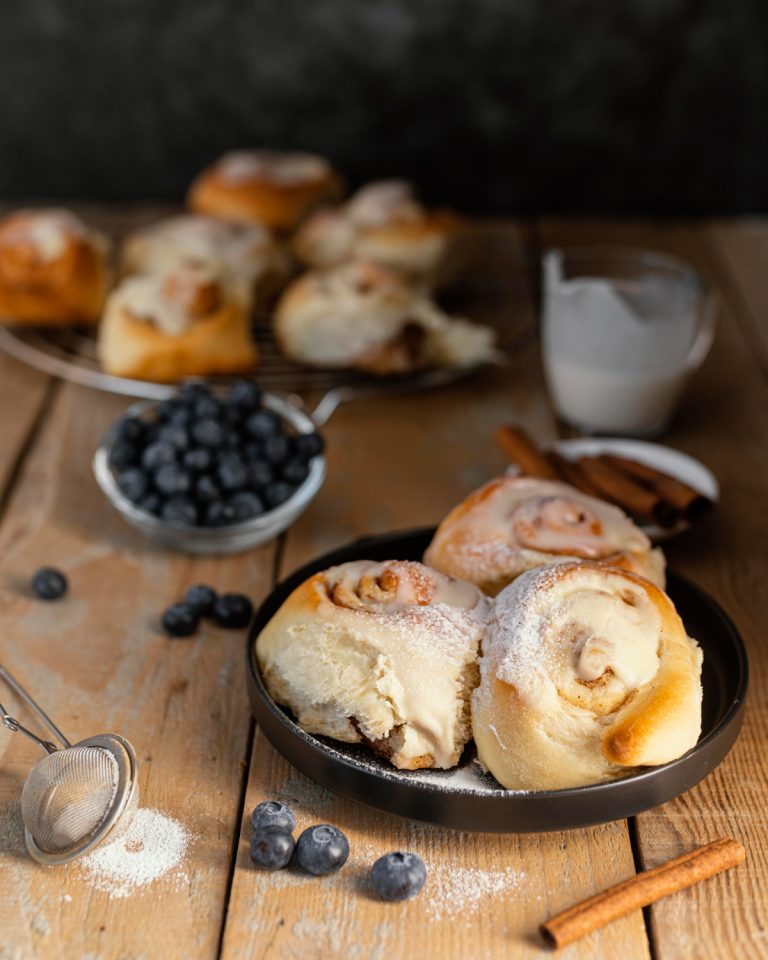
Best Pumpkin Spice Sourdough Breakfast Rolls: A Step-by-Step Guide
Pumpkin spice sourdough breakfast rolls blend the tang of natural fermentation with beloved fall flavors. These rolls take traditional sourdough bread making to create a seasonal breakfast treat that adds warmth and comfort to your morning table. Wild yeast fermentation combined with pumpkin puree produces tender and flavorful breakfast rolls that stand apart from regular recipes.
This detailed guide helps bakers create these special rolls. You’ll learn each significant step from keeping an active sourdough starter to perfecting the cream cheese frosting finish. The instructions show proper dough handling techniques and cold fermentation methods. Bakers will master the signature pumpkin spice filling that makes these rolls special. Both beginners and experienced bakers can expand their sourdough skills with these clear steps.
Preparing the Sourdough Starter
A well-prepared sourdough starter creates perfect pumpkin spice sourdough breakfast rolls that deliver distinctive tangy flavor and proper rise.
Activating your sourdough starter
Your sourdough starter needs 12 hours of activation time before you mix the dough. Take the starter out of the fridge and let it reach room temperature. The best results come when you keep the temperature between 75-86°F (23-30°C). This range helps beneficial bacteria and wild yeast develop in perfect balance.
Best times to feed your starter for perfect fermentation
Here’s a simple feeding routine that works great:
- Take out half of your current starter (you can use this for other recipes)
- Mix in equal amounts of flour and water by weight (1:1:1 ratio)
- Stir really well until you get a pancake batter-like mix
- Place it in a warm spot with a loose cover
- Let it ferment for 4-12 hours
Note: This recipe needs 60g flour and 60g water for every 60g of your existing starter.
Signs of a mature and ready starter
Your sourdough starter will show several clear signs that tell you it’s ready to make these breakfast rolls.
• Double in size: The starter doubles its volume 4-6 hours after each feeding
• Bubble formation: You’ll see both small and large bubbles on top and throughout
• Dome shape: The surface curves slightly upward during peak activity
• Pleasant aroma: A mild, tangy scent comes through without any harsh or off-putting smells
• Spongy texture: The active starter feels light and airy, much like a mousse
Your starter’s strength will shape how well your pumpkin spice rolls rise and feel. A sluggish starter needs regular feedings every 12 hours until you see steady activity. The best time to use your starter comes 2-4 hours after feeding. This sweet spot happens right as it reaches full volume, before it starts to sink.
A word of caution: Your starter needs at least 14 days of steady feeding to mature properly. Raw or young starters lead to heavy, gummy rolls that stay flat.
Bakers who keep their starter cold should pull it from the fridge 24 hours before making dough. This gives time to wake it up with 2-3 feedings. Your enriched breakfast rolls need this extra care to rise beautifully.
Making the Pumpkin Spice Dough
Creating a perfectly balanced pumpkin spice dough from simple ingredients demands precise technique and careful attention to detail. This significant step forms the foundation of rolls that deliver both flavor and structure.
Mixing wet and dry ingredients
Good organization of ingredients makes the process smooth. Start by combining the wet ingredients. Room temperature water (280g) serves as the base. The amount of water plays a significant role since the pumpkin puree adds moisture to the dough later. A separate bowl holds the whisked dry ingredients to distribute all components evenly.
Essential mixing steps:
- Combine water and active starter in a large bowl
- Mix in honey or maple syrup to add sweetness
- Whisk together flour and salt separately
- Add dry ingredients gradually into the wet mixture
- Mix until a shaggy dough forms
Incorporating pumpkin puree and spices
Bakers must think over the dough’s final hydration when adding pumpkin puree. Mix the puree during the original mixing phase before the autolyze period begins. Thick puree works better than watery consistency to maintain proper dough structure, regardless of using canned or homemade varieties.
Your perfectly mixed dough should show these characteristics:
- A manageable texture with slight stickiness
- Pumpkin’s smooth incorporation creates a silky feel
- A consistent orange color throughout
- Enough firmness to maintain shape
- Stretchy and pliable consistency
Kneading and original fermentation
The dough starts its vital development phase right after you mix all ingredients. Let the dough rest for an autolyze period of 30 minutes. This allows the flour to hydrate and starts gluten development. The dough needs a series of stretch and folds after this rest to build its structure.
You’ll need to do stretch and folds every 30 minutes for the first two hours. Just grab the dough’s edge, stretch it up, and fold it over the center. Keep rotating the bowl and repeat until you’ve worked your way around the dough. Each set makes the dough more elastic and cohesive.
Bulk fermentation takes 3-8 hours based on your room’s temperature. The dough should grow about 50% in volume during this time. Temperature control is crucial – keep the room between 75-80°F (24-27°C) to get the best fermentation. A cooler kitchen means your dough will need more time to ferment.
Many bakers put their dough in the fridge after the original bulk fermentation to boost its flavor. The dough can develop richer, more complex flavors over 8-12 hours in cold storage. This step can improve your rolls’ taste by a lot, but you can skip it if you want.
Shaping and Proofing the Rolls
Transforming fermented dough into perfectly shaped breakfast rolls needs precise and gentle handling. The process is a vital step that determines both the final appearance and texture of the pumpkin spice sourdough rolls.
Rolling out the dough
Place the dough on a lightly floured work surface with care to preserve the gas bubbles inside. Roll it firmly yet gently into an 18×10 inch rectangle. The dough’s texture should feel smooth and elastic as it responds to your rolling pin without tears or sticking.
Pro tip: The dough needs a 10-15 minute rest when it becomes resistant to rolling. This pause allows the gluten to relax naturally.
Adding the pumpkin spice filling
Your rolls need an even distribution of filling for the best flavor in every bite. Mix brown sugar, pumpkin puree, butter, cinnamon, and pumpkin spice until you get a texture similar to wet sand. The mixture should spread smoothly across the rolled dough. Remember to leave a ½-inch border on one of the short edges to aid proper sealing.
Cutting and shaping individual rolls
These steps will help you create perfect individual rolls from your flat dough:
- Roll the dough into a tight log from the edge with filling
- Your dough log will stretch to about 18 inches
- Cut it into 8-12 equal pieces with a sharp knife or bench scraper
- Tuck each piece’s edges underneath
- Pinch the seams together to create surface tension
Final proofing techniques
Roll development’s final proof is a vital phase. The shaped rolls need placement in a greased 8-inch cast iron skillet or baking pan with room to expand. Bakers have two proofing methods to choose from:
Same-day proofing:
- Place rolls in a warm spot (72-74°F)
- Let them rise for 2-3 hours
- Watch for substantial puffiness and softness
Cold fermentation method:
- Cover rolls with greased plastic wrap
- Refrigerate for up to 18 hours
- Take out 3-4 hours before baking
- Let them warm and proof at room temperature
The rolls will show these signs when ready for baking:
- They reach the pan’s rim
- Their texture becomes very soft
- The appearance turns puffy and light
- The pan shows a gentle jiggle when shaken
Temperature control is significant at this stage. Kitchens below 60°F/15C need a special proofing environment. You can create this by warming the oven briefly and placing a cast iron pan inside to hold heat. This approach will give consistent fermentation and proper development of the roll’s structure.
The rolls will be ready when they have expanded substantially and feel delicate to touch. They can move to the final baking phase at this point, and all the careful preparation will result in breakfast rolls with perfect texture and flavor.
Baking and Finishing Touches
Perfect pumpkin spice sourdough breakfast rolls reach their peak when the dough turns golden-brown. These aromatic treats showcase the true spirit of artisanal baking.
Preheating and preparing the oven
The ideal baking environment needs careful preparation. Set the oven temperature to 450°F (232°C) and position a cast iron skillet on the bottom rack during preheating. This setup helps create steam that is vital to achieve the perfect crust texture. A metal-rimmed baking sheet should be placed on a lower rack. Glass bakeware must be avoided as it could shatter at high temperatures.
Steam generation determines proper oven spring. The process is simple – pour one cup of boiling water into the preheated cast iron skillet right before placing the rolls in the oven. Many bakers also use a spray bottle to mist water directly into the oven. This extra moisture helps keep the outer crust soft during the first rise.
Baking time and temperature
The perfect bake requires two distinct phases:
- Original high-heat phase: Bake at 450°F for 17-21 minutes with steam
- Finishing phase: Reduce temperature to 350°F for the final 10-15 minutes
Your rolls should have a light golden-brown crust and a soft, tender center. The rolls are ready when an instant-read thermometer shows 190°F (88°C) in the middle. A final brush of melted butter on top adds richness and creates a beautiful shine right after you take them from the oven.
Cream cheese frosting recipe
A rich cream cheese frosting makes these pumpkin spice rolls even more delicious. Your ingredients should reach room temperature before you start:
- Beat softened cream cheese and butter until smooth
- Mix in powdered sugar step by step
- Add maple syrup and a pinch of salt
- Beat the mixture until it becomes light and fluffy (2-3 minutes)
- Add more powdered sugar to reach desired thickness
You can make this frosting 5 days ahead and store it in an airtight container in your refrigerator.
Serving and storage tips
Your artisanal rolls stay fresh and delicious with several storage options.
Short-term storage:
- These rolls stay fresh at room temperature when covered for 2 days
- They last up to 5 days in an airtight container in your fridge
- A quick 10-minute warm-up in a 350°F oven works great for single rolls
Long-term preservation:
- You can freeze rolls without frosting for 3 months
- Double wrap them in plastic wrap and aluminum foil
- Keep the frosting in a separate freezer-safe container
- Let them thaw in your fridge overnight before serving
Stale rolls bounce back to life with a light water spray on the crust and 10 minutes in a 350°F oven. This simple trick gives you a crispy exterior and soft inside. Frozen rolls need complete thawing in the fridge before you reheat them.
Expert bakers suggest a 30-minute cooling period before adding frosting. This creates the perfect balance – rolls cool enough so frosting doesn’t melt completely, yet warm enough for that ideal melted-frosting look. A quick 20-30 second microwave zap brings back that fresh-baked warmth when you serve these treats at special events.
Conclusion
Making pumpkin spice sourdough breakfast rolls just needs attention to significant elements in the baking process. Your success comes from an active sourdough starter, precise temperature control during fermentation, and proper dough handling techniques. These artisanal rolls blend traditional sourdough complexity with seasonal pumpkin spice warmth. Bakers who master this process create tender, flavorful results better than regular breakfast pastries.
Home bakers can create these special breakfast treats with complete confidence throughout the year. The techniques work well for different seasonal flavors and occasions. Lift your bread and pizza game with an authentic artisanal sourdough starter from The Yeast We Can Do. Time-tested methods bring professional results and the joy of crafting breakfast rolls that perfectly mix natural fermentation with favorite fall flavors.
FAQs
Q: How can I successfully make sourdough bread in warm weather?
A: To manage sourdough bread making in hot conditions, consider these strategies: frequently switch to a clean jar, reduce the amount of starter carried over to the next batch, use cooler water for mixing, lower the percentage of whole grains, use a stiffer starter, and add a small amount of salt to the starter.
Q: What is the process for making sourdough bread using a dry starter?
A: Begin by mixing 5 grams of dehydrated sourdough starter with 15 grams of water at 80 °F in a small bowl or jar. Allow the mixture to sit for about 2 hours or until the starter has fully dissolved. Then, add 15 grams of flour, stir the mixture, cover it, and let it ferment in a warm place like a Sourdough Home or Proofer at 78 °F for 12 to 14 hours.
Q: How do I create a sourdough bread with more air pockets?
A: To achieve a bread with more holes, perform stretch and fold maneuvers on the dough approximately every 60 minutes during the bulk fermentation phase for sourdough bread. For breads with added yeast, do this every 30 minutes.