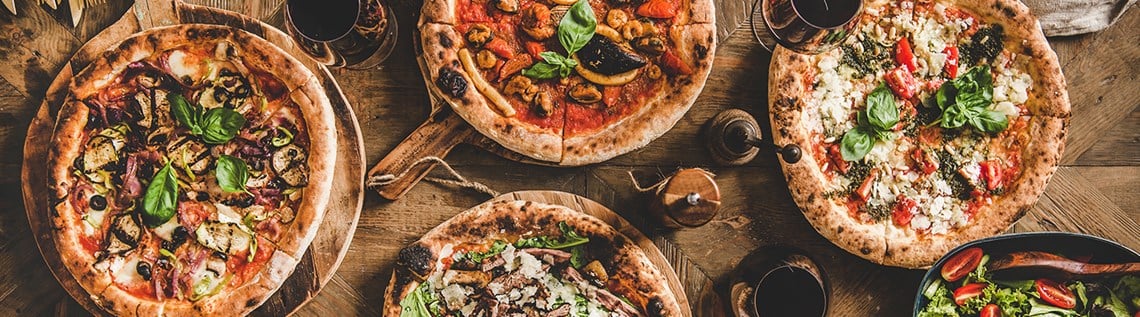
Neapolitan Pizza Toppings: A Deep Dive into Authentic Italian Ingredients
The average person believes they understand Italian pizza, but Neapolitan pizza toppings reveal a different reality. We found that there was a stark contrast between authentic Italian pizza and the ingredient-heavy versions common outside Naples. Traditional Neapolitan pizzas follow strict family recipes passed down through generations. Each topping has its purpose, and you won’t see pineapple or barbecue chicken anywhere near these masterpieces.
Our team has spent years becoming skilled at Neapolitan pizza-making, and we’re thrilled to share these time-honored combinations with you. The unique characteristics of Neapolitan pizza toppings have secured their place in culinary history, and there’s a fascinating story behind each ingredient.
The Heritage of Neapolitan Pizza Ingredients
The story of traditional Neapolitan pizza toppings dates back to the late 1600s. A simple street food from Naples has grown into one of the world’s most protected and cherished culinary traditions.
Origins and Progress of Traditional Toppings
The earliest Neapolitan pizzas were beautifully simple. The ‘mastunicola‘ came with just lard, basil, and cheese. Spanish colonizers brought tomatoes from Peru and transformed pizza-making in Naples forever. The addition of Agerolese fiordilatte and buffalo mozzarella in the 1700s created another turning point that led to the classic Margherita pizza we know today.
The VPN (Vera Pizza Napoletana) Standards
The VPN guidelines protect the authenticity of true Italian pizza with strict standards. The association outlines clear requirements that authentic Neapolitan pizza must meet:
- All but one of these varieties are excluded: Marinara (tomato, oil, oregano, garlic) and Margherita (tomato, oil, mozzarella, basil, grated cheese)
- The Campania region supplies most ingredients
- The dough needs specific ratios of Type “00” flour, water, salt, and natural yeast
- Tomatoes require hand-crushing – mechanical methods are not allowed
Cultural Significance of Ingredient Selection
The ingredients in authentic Italian pizza tell a deeper story than taste priorities – they embody Naples’ cultural heritage. Each element carries its own tale: San Marzano tomatoes grow in volcanic soil near Mount Vesuvius, local dairy farms produce fresh buffalo mozzarella, and traditional cold-pressing methods create extra virgin olive oil. These ingredients are the foundations of centuries of culinary expertise and regional pride.
UNESCO’s recognition of Neapolitan pizza-making as an intangible cultural heritage in 2017 confirms what Naples’ pizza makers have known through generations. Traditional Neapolitan pizza toppings represent more than food – they’re a preserved art form.
Essential Base Components
The perfect Neapolitan pizza depends on its basic ingredients. Years of experience have taught us that becoming skilled at working with these fundamental components will give a perfect pizza every time.
San Marzano Tomatoes and Sauce Preparation
To stay authentic, we only use DOP-certified San Marzano tomatoes grown in the volcanic soil near Mount Vesuvius. These tomatoes have a unique sweetness and low acidity that other varieties can’t match. The sauce preparation is simple – we hand-crush whole tomatoes and add a touch of sea salt. We have found that fresh, vibrant flavor comes from avoiding tomato paste and any cooking process. This approach defines true Neapolitan pizza.
Fresh Mozzarella Varieties and Selection
Our extensive testing with different mozzarella types shows these authentic varieties work best:
- Fior di latte – Made from cow’s milk with 3.4-4% fat content
- Mozzarella di Bufala – Water buffalo milk cheese with up to 8% fat
- Fresh mozzarella in brine – Requires 15-minute draining before use
Proper draining makes a big difference – we pat our mozzarella dry and tear it into small pieces instead of shredding. This method creates those signature melty pools without making the crust soggy.
Extra Virgin Olive Oil and Basil
Extra virgin olive oil is a vital ingredient that improves both flavor and texture. Research shows that high-quality EVOO protects tomatoes’ antioxidants during cooking and creates new flavor compounds at high temperatures. Fresh basil needs perfect timing. We add it after baking to keep its bright color and fresh flavor. The pizza needs to cool for 5-10 minutes after coming out of the oven. This prevents the hot cheese from wilting the basil immediately.
Classic Topping Combinations
Learning about classic Neapolitan pizza toppings shows that simplicity rules supreme. Our years of experience taught us that the true art comes from perfect balance and harmony rather than the number of toppings.
Margherita: The Perfect Balance
Pizza Margherita stands as the quintessential expression of Neapolitan pizza artistry. The pizza’s creation in 1889 honored Queen Margherita of Savoy and represented the Italian flag’s colors. A perfect Margherita needs equal amounts of crust, tomato, and cheese so flavors blend harmoniously. Fresh basil leaves placed strategically give aromatic bursts with each bite.
Marinara: The Minimalist Approach
Pizza Marinara, one of the oldest classic pizzas from 1734, holds a special place in our hearts. This pizza delivers rich flavors even without cheese. The garlicky tomato base with oregano and extra virgin olive oil creates pure rustic perfection. Sailors first ate this pizza, which explains its name, and it proves that less truly becomes more.
Regional Neapolitan Variations
Our research and hands-on experience revealed several regional variations that highlight authentic Italian pizza toppings‘ diversity. Here are some notable variations we found:
- Pizza Cossaca uses Parmesan or Pecorino instead of mozzarella for a sharper, more intense flavor
- Sicily’s Sfincione offers a thicker variant with tomatoes and anchovies
- Roman-style pizzas come with more elaborate combinations like artichokes and prosciutto
True Neapolitan pizzas maintain modest toppings whatever the variation, letting the dough’s quality shine through. This restraint with toppings sets authentic Neapolitan pizza apart from modern interpretations.
Quality Markers and Sourcing
Quality markers make a vital difference between real and fake products when we source ingredients for authentic Italian pizza. Our work with Italian suppliers over the last several years has taught us how to spot these quality indicators to create true Neapolitan pizzas.
DOP and IGP Certifications
Europe’s strict certification system helps us verify that our ingredients meet traditional standards. The DOP (Denominazione di Origine Protetta) certification will give a guarantee that products come entirely from specific geographical areas using traditional methods. These certifications matter a lot for our core ingredients:
- DOP San Marzano tomatoes from the Sarno Valley
- DOP Buffalo mozzarella from Campania
- DOP Extra virgin olive oil from designated regions
The IGP (Indicazione Geografica Protetta) certification requires at least one production phase in the designated region, though it’s not as strict. These certifications help us pick the best specialty ingredients for our traditional Neapolitan pizza toppings.
Seasonal Considerations
The timing affects ingredient quality by a lot, as we’ve found through experience. We adapt our authentic Italian pizza toppings based on what’s available each season. Fresh basil tastes best during warm months. San Marzano tomatoes get harvested in late summer, which makes September through October perfect to prepare the most flavorful sauce.
Local vs Imported Ingredients
The choice between local and imported ingredients remains an ongoing debate in our quest for authenticity. We support importing certified DOP products like San Marzano tomatoes and buffalo mozzarella straight from Italy. Yet we’ve found some ingredients can come from local sources without losing quality. Success comes from knowing which elements need to stay authentic and which can adapt while keeping the true essence of real Italian pizza.
Fresh mozzarella’s moisture content affects pizza quality a lot, whatever its origin. Our imported buffalo mozzarella needs 15 minutes of draining before use. This technique gives us the perfect texture in our traditional Italian pizza.
Conclusion
Neapolitan pizza means more than just a meal – we found that there was a deep connection to centuries of tradition, strict standards, and quality ingredients. A closer look at authentic Italian toppings shows why less becomes more with ingredients meeting exact quality standards. San Marzano tomatoes, fresh mozzarella, and extra virgin olive oil work their magic through simplicity, and DOP certifications protect their heritage.
The Margherita and Marinara pizzas are evidence of pizza-making perfection. These classics show how a few premium ingredients create unforgettable flavors. Becoming skilled at these traditional combinations helps both home cooks and professionals understand why UNESCO granted Neapolitan pizza its cultural heritage status.
Raise your bread and pizza game with an authentic artisanal sourdough starter from The Yeast We Can Do – email john@theyeastwecando.com to add that perfect tangy flavor and signature crust to your creations.
Learning about these authentic ingredients and methods explains Naples’ dedication to its pizza traditions. These select toppings create more than delicious pizza – they preserve an art form that links us to generations of pizza makers who mastered their craft one ingredient at a time.
FAQs
What are the standard toppings on a Neapolitan pizza?
Neapolitan pizza, hailing from Naples, Italy, typically features a straightforward blend of ingredients compared to American pizza. It includes dough, tomatoes, mozzarella cheese, olive oil, occasionally Parmesan cheese, and fresh basil.
What ingredients are used in a traditional Neapolitan pizza?
Traditional Neapolitan pizza is made with basic, fresh ingredients such as a simple dough, raw tomatoes, fresh mozzarella cheese, fresh basil, and olive oil. It is characterized by having more sauce than cheese and does not include elaborate toppings.
What toppings are commonly found on authentic Italian pizzas?
Authentic Italian pizzas are generally topped with tomatoes, mozzarella cheese, basil, and olive oil. Additional common toppings might include garlic, mushrooms, onions, peppers, and various meats like prosciutto, salami, or sausage.
What are the three officially recognized Neapolitan pizza varieties?
The three certified Neapolitan pizza varieties include marinara, Margherita, and Margherita extra. The marinara variety consists of tomatoes, garlic, oregano, and olive oil, and notably does not include cheese.
What toppings are considered appropriate for a Neapolitan pizza?
Appropriate toppings for a Neapolitan pizza should adhere to simplicity and freshness, including ingredients like tomatoes, mozzarella, basil, and olive oil. Traditional Neapolitan pizzas do not typically feature an extensive variety of toppings.