Direct to Consumer vs Wholesale: The Ultimate Bread Sales Guide 2024
Modern bakeries must make a significant choice that will shape their business strategy: selling directly to consumers or through wholesale channels. Digital transformation has changed the bread industry significantly. Bakeries now have new ways to reach their customers through different sales channels. These distribution choices directly affect profitability, market reach, and future growth.
This piece gets into both direct-to-consumer sales and wholesale distribution methods that bread businesses can use. Bakery owners will discover everything about pricing strategies, brand control considerations, picking the right e-commerce platforms, and what each model needs to succeed. Marketing tactics, supply chain management, and following regulations are also covered to help owners make smart choices about their distribution approach.
Understanding Direct-to-Consumer (DTC) Bread Sales
The direct-to-consumer (DTC) model has transformed how bakeries connect with their customers in today’s digital world. Bakeries can now sell their bread products directly to end consumers without intermediaries. This creates fresh opportunities for growth and customer participation.
Benefits of DTC for bakeries
DTC sales create significant benefits for bakery businesses. The immediate advantage is improved profit margins, as removing intermediaries cuts distribution costs and enables better price control. Bakeries can achieve 15-20% higher margins through DTC than traditional wholesale channels.
DTC sales are a great way to collect data and gain customer insights. Direct sales help bakeries to:
- Understand customer priorities and buying patterns
- Get feedback on product quality and satisfaction
- Track seasonal demand changes
- Learn about price sensitivity
- Create targeted marketing campaigns
Brand control is a vital advantage that lets bakeries completely oversee their product presentation, customer experience, and market positioning. This control includes packaging, messaging, and the customer’s entire trip.
Challenges of the DTC model
The DTC model shows promise but creates substantial challenges for bakeries. Managing logistics becomes complex because bakeries must handle individual orders instead of bulk wholesale shipments. These businesses need quick systems to fulfill orders, schedule deliveries, and manage inventory that maintains product freshness and quality.
Marketing and finding new customers create additional hurdles. There’s another reason why marketing gets tougher – bakeries lose the ready-made customer base that comes with wholesale partnerships. They must invest substantially in digital marketing, build a social-first presence, and develop e-commerce platforms to reach and connect with potential customers.
Best practices for DTC bread sales
DTC bread sales thrive on customer experience and intelligent operations. A reliable e-commerce platform is the foundation that powers smooth ordering and excellent customer service.
These proven strategies will help your DTC business grow:
- Build a simple website that explains products clearly
- Set up bright delivery zones and scheduling
- Showcase your bread with great photos and descriptions
- Start an email program to keep customers coming back
- Set up quality checks to deliver consistent products
Technology improves DTC operations. Modern bakeries need order management systems that work across different sales channels and track inventory accurately. These systems should also work with delivery software to plan the quickest routes and get orders to customers on time.
Exploring Wholesale Bread Distribution
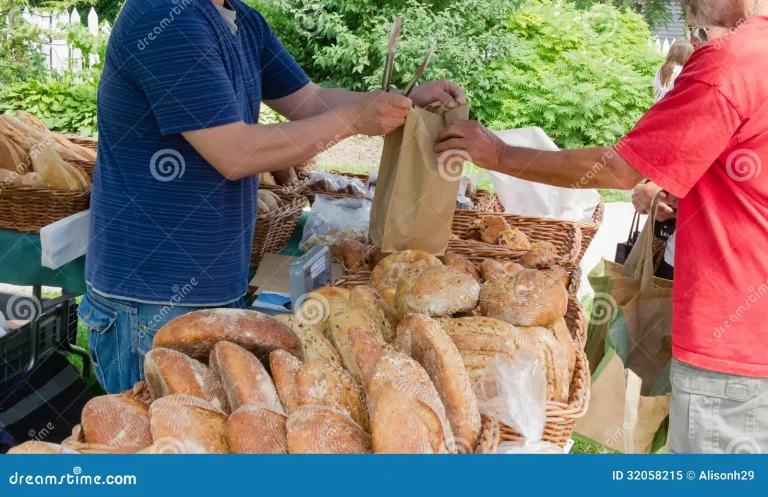
Wholesale distribution remains a traditional yet dynamic part of the bread industry. It gives bakeries a well-laid-out path to grow their business and allows them to reach wider markets. Bakeries supply their bread products to restaurants, cafes, grocery stores, and retail establishments instead of selling directly to consumers.
Advantages of wholesale for bakeries
Bakery businesses can gain several key benefits from the wholesale distribution model. Steady revenue streams stand out as one of the main benefits since wholesale partnerships bring in regular, large-volume orders that create predictable income. This stability helps bakeries to:
- Plan production schedules and allocate resources better
- Save money through economies of scale when buying ingredients
- Cut marketing costs with established retail partnerships
- Put more energy into production instead of retail operations
- Use existing distribution networks effectively
Wholesale bakeries can operate from industrial areas or commercial kitchens without pricey retail storefronts, which adds flexibility to their operations.
Potential risks of wholesale
Wholesale distribution has many benefits but comes with its share of challenges. The model needs a substantial original investment in equipment and facilities to handle large-scale production. Labor costs go up by a lot when you need more staff to manage higher production volumes and maintain quality standards.
Wholesale profits are more minor than direct-to-consumer sales because products sell at lower per-unit prices to allow for retail markups. It also faces tough competition in the wholesale market, especially when you have more giant manufacturers with well-established distribution networks.
Tips for successful wholesale partnerships
Success in wholesale bread distribution depends on building strong relationships with suppliers and retail partners. Effective inventory management is vital because it affects profitability and keeps partners happy. Bakeries should use reliable systems to track stock levels. These systems help optimize production schedules and keep products fresh.
Creating mutually beneficial alliances starts with knowing your market and what retailers need. Successful wholesale bakeries deliver consistent, quality products on time. They watch market trends closely and keep talking to retail partners, which helps them adjust their offerings based on what customers want.
Modern technology, such as inventory management software and route planning tools, can substantially boost operations. These systems make it easier to handle complex supply chains, cut down on waste, and ensure deliveries reach multiple retail locations on time.
Pricing Strategies for DTC vs Wholesale
Effective pricing strategy is the lifeblood of successful bakery operations for direct-to-consumer sales and wholesale distribution. Bakeries can optimize their revenue streams and maintain competitive market positions by understanding the complex relationship between costs, margins, and pricing models.
Calculating costs and margins
Accurate cost calculation forms the backbone of any pricing strategy. Bakery owners must think about three main cost components:
- Production costs (ingredients and labor)
- Supply costs (packaging and delivery)
- Fixed costs (rent, utilities, equipment)
Bakeries should calculate their base cost price using this formula:
Production costs + Supply costs + Fixed costs = Cost price
The recommended profit multiplier 1.7 adds a 70% margin to the cost price. This calculation creates a solid foundation for both DTC and wholesale pricing strategies.
DTC pricing considerations
DTC pricing gives businesses higher gross margins. BMO Capital Markets shows a 24% higher gross margin rate than wholesale. But these attractive margins need extra operational costs:
| Cost Category | Impact on DTC Pricing |
|---|---|
| Marketing | 25-30% of revenue |
| Technology | 5-7% for platforms |
| Fulfillment | 15-20% per order |
| Returns | 4x higher than wholesale |
Businesses must factor these operational expenses into their DTC pricing while staying competitive. Successful bakeries aim for a minimum gross margin of 40%. A 50% or higher margin works best for long-term operations.
Wholesale pricing strategies
Bakeries need a unique approach to wholesale pricing that centers on volume-based profitability. Lower gross margins can lead to better bottom-line results through operational optimization. Most wholesale partnerships follow these margin structures:
- Distributors expect 15-25% margin
- Grocery stores target 30-40% margin
- Overall wholesale markup should be 30%
Bakeries must think about their production capacity and economies of scale at the time they set wholesale prices. Larger order volumes in wholesale business typically reduce per-unit costs and help offset lower margins. The wholesale operations need less marketing budget since retail partners handle customer acquisition and store promotion.
A bakery’s market position, competition, and long-term growth objectives are crucial in determining optimal wholesale prices. Success comes from regular cost analysis, margin monitoring, and price adjustments that respond to market conditions and operational improvements.
Marketing and Branding for Bread Sales
Successful marketing and branding strategies for direct-to-consumer and wholesale bread sales differ significantly. Bakeries must adapt their marketing approach based on their distribution model. A strong marketing strategy enables bakeries to establish their market presence and create lasting connections with their target audience.
Building a solid bakery brand
Brand development is the foundation of a bakery’s market presence. The U.S. has nearly 7,000 commercial bakeries, and a distinctive brand identity is significant to stand out in this competitive market. A strong bakery brand covers these key elements:
- Mission statement and core values
- Visual identity (logo, color palette, typography)
- Brand voice and messaging
- Packaging design and presentation
- Customer service philosophy
The brand’s visual identity should stay consistent at every customer touchpoint, from packaging to online presence. This consistency creates brand recognition and builds customer trust. A brand book helps maintain uniformity, especially for businesses operating multiple channels.
DTC marketing tactics
A strong digital presence and tailored approach drive direct-to-consumer marketing success. Modern bakeries use digital channels of all types to connect with their target audience:
| Marketing Channel | Purpose | Impact |
|---|---|---|
| Social Media | Brand awareness & engagement | High reach, immediate feedback |
| Email Marketing | Customer retention | 3-5% conversion rate |
| Website | E-commerce & information | 24/7 availability |
| Content Marketing | Education & authority | Long-term growth |
Bakeries find social media platforms work exceptionally well for DTC bread sales. These platforms let them showcase products with stunning photos and connect directly with customers. Their email marketing campaigns build stronger customer relationships through tailored communications, special offers, and product updates.
Wholesale marketing approaches
Wholesale marketing builds strong B2B relationships through industry networking. Successful wholesale bakeries create professional marketing materials that showcase their production capabilities, quality standards, and reliability. They grow their market reach by joining trade shows, industry events, and local business networks.
Business partnerships need different marketing materials than consumer campaigns. Wholesale bakeries must develop complete product catalogs, pricing sheets, and capability statements. These materials should highlight:
Production Capacity: Showing how to meet volume requirements
Quality Control: Detailing food safety and consistency measures
Distribution Network: Showcasing delivery capabilities and reach
Product Innovation: Showing how to adapt to market trends
A digital presence matters in wholesale marketing, but the focus moves to professional networking platforms and specific industry channels. LinkedIn is a valuable tool for connecting potential retail partners and providing current industry trends.
Marketing automation tools help manage both DTC and wholesale relationships. These systems track customer interactions and automate follow-ups. Companies learn about marketing performance through different channels.
Logistics and Operations
Successful bakery businesses rely heavily on streamlined logistics and operations. These elements help them know how to deliver fresh products consistently and stay profitable. Modern bread distribution needs sophisticated systems and careful planning to succeed, whatever sales model a bakery chooses.
DTC fulfillment and shipping
Direct-to-consumer fulfillment creates unique challenges in the bread industry, especially when managing product freshness and delivery timing. Modern bakeries employ Smart Warehousing Information Management Systems (SWIMS) to track inventory and maintain visibility. These systems provide:
| Aspect | DTC Implementation |
|---|---|
| Order Processing | Real-time transaction updates |
| Inventory Control | Cloud-based tracking |
| Temperature Management | Ambient and cold storage monitoring |
| Shipping Optimization | Geographic-based fulfillment centers |
Successful DTC operations need multiple fulfillment centers at strategic locations to optimize delivery routes and reduce shipping times. Temperature control is a vital component that requires specialized packaging based on seasonal conditions and delivery distances.
Wholesale production and delivery
Wholesale distribution needs a unique strategy focusing on high-volume output and reliable delivery times. Direct Store Delivery (DSD) stands out as the quickest way to distribute products with several key benefits:
- You retain control over how products look on shelves
- Stock levels become more accessible to manage
- Operations run more smoothly at scale
- Route planning works better
Many distributors now use cross-docking to streamline their bread distribution process. This method moves products straight from incoming to outgoing vehicles, which keeps products fresh and reduces storage expenses.
Inventory management for both models
Intelligent inventory management plays a vital role in DTC and wholesale operations. Modern bakeries use detailed Bakery Operations Management Systems (BMS) that streamline processes and keep stock at ideal levels. These systems help achieve several goals:
- Up-to-the-minute stock tracking at multiple locations
- Smart reordering when stock hits preset levels
- Batch-wise production planning optimization
- Better resource allocation
- Quality control monitoring
Enterprise Resource Planning (ERP) systems have transformed how bakeries handle inventory. These platforms offer advanced analytics that helps businesses predict customer needs and adjust production. Evidence-based decisions help balance stock levels, cut waste, and ensure products stay available.
DTC operations focus on filling individual orders and keeping enough stock to meet changing customer demands. Wholesale operations need more enormous safety stocks and better forecasting tools to handle bulk orders well.
Both models pay close attention to temperature monitoring and storage conditions. Automated systems track the environment to maintain product quality. Just-in-time delivery helps reduce storage space while customers consistently get fresh products.
Traceability software has become essential for bakeries. It tracks products throughout the supply chain and helps quickly fix quality issues. This feature allows businesses to follow food safety rules and build customer trust in both channels.
Legal and Regulatory Considerations
Bakeries operating in direct-to-consumer and wholesale markets face critical challenges with complex regulations. Today, the food industry undergoes rigorous inspection. Businesses must understand and implement proper compliance measures that will give them continuity and build consumer trust.
DTC compliance requirements
Direct-to-consumer bread sales need specific compliance measures that ensure food safety and protect consumers. The Food and Drug Administration (FDA) requires DTC food companies to create complete safety plans addressing hazards and risk-based preventive controls. These companies must meet several requirements:
- Facility registration with FDA
- Implementation of Good Manufacturing Practices (GMPs)
- HACCP (Hazard Analysis Critical Control Point) system
- Product traceability documentation
- Temperature control monitoring systems
Small-batch manufacturers can qualify for special exemptions through the Small Batch Manufacturer designation if their annual revenue stays under $1,123,530 and they produce fewer than 7,500 units. These businesses still need proper documentation and product certificates.
Wholesale regulations and contracts
Wholesale operations require stricter regulatory oversight because they operate at larger scales and serve business clients. The regulatory framework has specific rules that govern distribution agreements and quality control measures:
| Requirement Category | Wholesale Specifications |
|---|---|
| Temperature Control | Maximum 41°F for cold storage |
| Hot Holding | Minimum 135°F for prepared items |
| Distribution Rights | Clear territorial boundaries |
| Performance Standards | Quality metrics and KPIs |
| Termination Clauses | Notice periods and remedies |
Wholesale bakeries need comprehensive distribution agreement documentation outlining performance standards and quality control measures. These contracts have essential provisions that cover the following:
- Product specifications and standards
- Delivery schedules and requirements
- Territory rights and limitations
- Quality control procedures
- Pricing and payment terms
Food safety and labeling laws
DTC and wholesale operations must follow food labeling requirements that govern ingredient disclosure and nutritional information. The Fair Packaging and Labeling Act sets fundamental requirements for all packaged foods.
Every product label needs:
- Product identity and net quantity
- Manufacturer’s name and address
- Complete ingredient list
- Nutritional information
- Allergen declarations
- Safe handling instructions
The Food Allergen Labeling and Consumer Protection Act demands clear identification of major food allergens such as wheat, milk, eggs, and tree nuts. Consumers should easily understand the allergen information presented in plain language.
Products claiming to be gluten-free must contain less than 20 parts per million of gluten and follow specific labeling rules. Bakeries need USDA National Organic Program certification to make organic claims.
Temperature control is vital in bread distribution, especially with specific storage and transport requirements. Potentially Hazardous Foods (PHF) need temperatures below 45°F during storage and distribution. Proper monitoring and documentation systems should track these requirements.
Local and state regulations might add more requirements beyond federal standards. Bakeries need proper permits and licenses based on their location and scope. Health departments conduct regular inspections to ensure compliance.
Documentation is the foundation of regulatory compliance. Bakeries should maintain detailed records of:
- Temperature monitoring logs
- Cleaning and sanitation procedures
- Employee training records
- Ingredient sourcing information
- Quality control checks
- Customer complaints and resolutions
Modern technology helps bakeries stay compliant through automated monitoring and record-keeping systems. These systems track data immediately and create required documentation for regulatory inspections.
Conclusion
Bakery businesses should assess their goals, resources, and market position before choosing between direct-to-consumer and wholesale distribution models. DTC sales bring higher margins and are a great way to get customer insights, but they need significant investment in marketing and fulfillment systems. Wholesale collaborations create steady revenue streams and improve operations through volume-based sales. These partnerships typically yield lower per-unit profits and require substantial production capacity. Your success in either model depends on the right technology solutions, quality control measures, and regulatory compliance.
Thoughtful planning and reliable systems are the lifeblood of profitable bread distribution, whatever model you choose. Today’s bakeries must tailor their pricing strategies, marketing approaches, and logistics to match their distribution channels. Quality and consistency remain essential. The Yeast We Can Do offers passionate bakers a chance to boost their bread-making with authentic artisanal sourdough starter. You can email john@theyeastwecando.com to get this premium starter that creates exceptional bread and pizza. Bakery owners who align their distribution strategy with their business capabilities and market needs set themselves up for growth in this ever-changing industry.
FAQs
What is the current trend in bread sales?
As of the latest reports, bread sales in the U.S. have declined by 2.7% since the beginning of the year, influenced by the highest inflation rates seen in four decades. This economic situation has led to significant price increases, with a two-pound loaf of bread potentially costing as much as USD 10.00.
Is there a demand for bread in the market?
The demand for bread and bread products in the U.S. has been increasing over the past five years. Market research predicts a continued growth in bread sales at a compound annual growth rate (CAGR) of 2% over the next five years. Notably, North America contributes 12% of the global sales and volume in the bread industry.
How is bread typically distributed to consumers?
Bread distribution involves baking products to order, ranging from small corner shops to large supermarkets. Delivery usually occurs the next day. Due to bread’s limited shelf life, it is produced daily in batches and delivered directly to stores to ensure freshness.
What processes are involved in mass bread production?
Mass production by manufacturers involves streamlining various elements of the bread-making process to meet high consumer demand. This includes using unique ingredients, equipment, and facilities that allow faster production than traditional bakeries while still aiming to maintain high quality and taste.