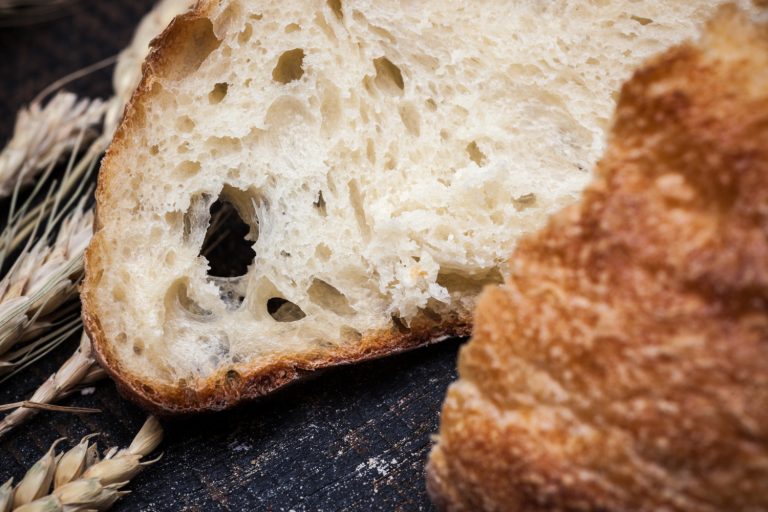
French vs Italian Bread: Key Differences in Sourdough Styles
Step into any artisanal bakery, and you’ll face a delightful choice between a crusty French baguette and a rustic Italian ciabatta. French and Italian bread-making traditions stretch centuries, yet their sourdough crafting methods stand worlds apart. French bakers take pride in their liquid levain that produces those distinctive open crumbs, while Italian masters rely on their stiff lievito madre to create deep, complex flavors.
The differences extend beyond the reach and influence of mere shape and style – they showcase centuries of cultural progress, local ingredients, and time-honored techniques. Each tradition brings its personality to the table, from specific flour choices to unique fermentation methods. Let’s dive into these fantastic differences between French and Italian bread to understand what makes each style special and unique and even spark your next baking project.
The Origins of Sourdough Culture
The roots of sourdough culture trace back to ancient Egypt, where the first naturally leavened bread appeared around 1500 BC. The French and Italian sourdough traditions took different paths that shaped modern artisanal baking.
French Pain au Levain History
Pain au levain’s development tells a fascinating story of refinement and tradition. French bakers make their starters alive through a unique daily “refreshments” process by adding flour and water to nurture their sourdough culture. French sourdough creates a mild, subtle tang rather than an aggressive sourness, reflecting their cultural preference for balanced flavors.
Italian Lievito Madre Evolution
Italy’s lievito madre reveals a different narrative. This “mother yeast” remains deeply rooted in family traditions, especially in Southern Italy, where women have “bred” their starters for generations. Some Italian mother starters, including the famous one from 1848, survived through cultural changes while keeping their distinctive characteristics. Italian bakers prefer a firmer starter at around 50% hydration and refresh it daily at specific temperatures between 15-18°C.
Cultural Significance in Both Countries
These sourdough traditions show their cultural effects in several ways:
- France’s pain au levain represents artisanal excellence, with bakers like Kayser bringing back traditional methods
- Italian families pass down their lievito madre through generations as a symbol of heritage
- Both cultures consider their sourdough traditions living artifacts of their gastronomic identity
Modern times have brought changes, yet these traditions keep their core principles intact. French bakers take pride in their liquid levain’s subtle complexity, while Italian bakers continue nurturing their stiff madre with methodical precision.
Fermentation Techniques and Methods
The artistry behind French and Italian sourdough traditions becomes clear through their unique fermentation processes. These two distinctive approaches create remarkably different results in our bread.
French Liquid Levain Process
French bakers traditionally work with a poolish, a liquid preferment that combines equal parts flour and water. The higher hydration creates a more active fermentation environment and produces the signature subtle flavors in French sourdough. The liquid levain ferments best at temperatures between 76-78°F (24-26°C), which provides an ideal environment for wild yeast activity.
Italian Stiff Starter Approach
The Italian lievito madre method takes a completely entire path. Their stiff starter uses nowhere near as much water, with hydration levels at b0-65%. Italian bakers often activate their madre with a touch of honey. They also use a unique technique that involves wrapping the starter in cloth and soaking it in water.
Temperature and Time Variables
Temperature control plays a vital role in both traditions, with notable differences between them:
- Optimal range: 76-80°F (24-27°C)
- Faster fermentation cycle
- More frequent refreshments
Italian Method:
- Lower temperature preference: 68-72°F (20-22°C)
- Slower, more controlled fermentation
- Less frequent but more precise refreshments
Fermentation byproducts shape distinct flavor profiles in each tradition. French levain creates lighter, more subtle notes, while the Italian Madre’s slower fermentation process develops deeper, more complex flavors.
Flour Selection and Hydration
Learning about the basic difundamentalnces between French and Italian sourdough shows how flour selection and hydration levels play a significant role in their unique characteristics. Let’s look closer at these critical elements that shape our favorite bread.
French Type 55 vs Italian 00 Flour
French Type 55 flour’s precise mineral content (0.55%) creates the perfect foundation for traditional French bread. This flour has a softer texture and lower gluten content comparedthanarieties. Italian 00 flour uses a different grading system based on texture refinement. Both flours can have varying protein levels, but Italian 00 flour typically produces more extensible dough that works best for traditional Italian bread shapes.
Hydration Level Differences
French and Italian breads just different hydration approaches:
- French sourdough typically maintains 65-70% hydration
- Italian methods often reach 75-80%
- Both traditions adjust hydration based on flour strength
Impact on Crumb Structure
Flour choice and hydration levels directly shape the final bread structure. French Type 55 flour’s characteristic properties help achieve those large, irregular holes we love in French bread. The protein content is a vital part—French flour’s moderate protein levels (around 11%) create an ideal balance for an open crumb structure.
Italian 00 flour’s fine texdelicate and variable protein content (ranging allow excellent extensibility. This trait and higher hydration levels create the distinctive irregular crumb structure in Italian sourdough bread.
Our testing shows these flour composition and hydration differences affect more than just the final texture. They fundamentally change how we handle the dough throughout the bread-making process.
Shaping and Baking Traditions
The soul of French and Italian baking traditions shines through their unique bread shaping and scoring techniques. These distinctive approaches create bread that experienced bakers like us can recognize instantly.
French Scoring Patterns
French bread scoring goes beyond function – it’s pure artistry. We’ve become skilled at several classic French patterns:
- Diagonal slashes for baguettes that create that signature “ear” effect
- Cross patterns for round boules
- Decorative leaf designs for special occasions
Italian Rustic Shapes
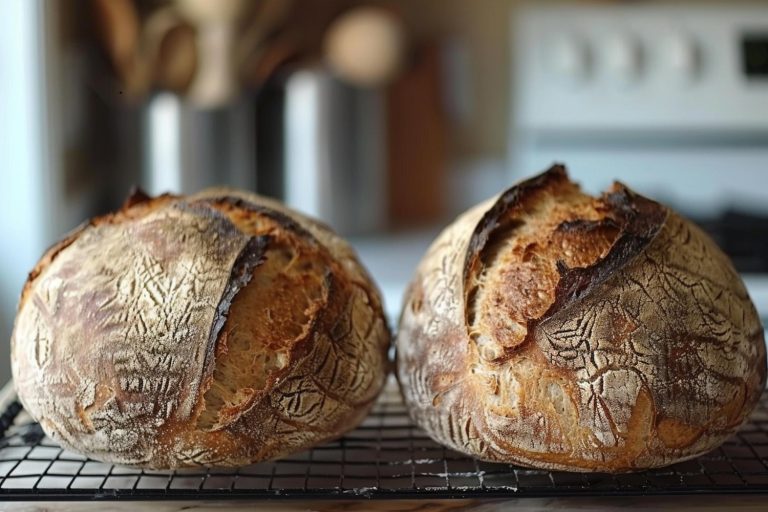
Italian bbreadmaking’sbeauty lies in its natural irregularity. Italian loaves are shorter and plumper than their French counterparts, and regional variations play a vital role. Pane capriccio from Puglia and pane genzano from Rome are perfect examples of these rustic characteristics, each with its distinctive crusty tops.
Oven Temperature Variations
Temperature control is the foundation of differences between French and Italian breads. French bakers use electric stone-baked steam ovens that give precise temperature control. Italian bakers prefer traditional wood-burning ovens that run much hotter (around 480°F/250°C). This intense heat creates those characteristic rustic, irregular crusts that make Italian bread special.
Wuniqueed ovens give Italian lovers smokiness, while French steam ovens create that classic crisp crust. These temperature differences fundamentally paffecteach bread style’s final character comparison. Table
| Characteristic | French Sourdough | Italian Sourdough |
|---|---|---|
| Starter Type | Liquid levain (poolish) | Stiff lievito madre |
| Starter Hydration | Equal parts flour and water (100%) | 50-65% hydration |
| Fermentation Temperature | 76-80°F (24-27°C) | 68-72°F (20-22°C) |
| Fermentation Speed | Quick fermentation cycle | Gentle, controlled fermentation |
| Refreshment Frequency | Regular intervals | Precise but less often |
| Flour Type | Type 55 (0.55% mineral content) | Type 00 (texture-based grading) |
| Dough Hydration | 65-70% | 75-80% |
| Flour Protein Content | Around 11% | 11-13% |
| Flavor Profile | Subtle, light tang | Rich, layered flavors |
| Typical Oven Type | Electric stone-baked steam ovens | Wood-burning ovens |
| Baking Temperature | Not mentioned | Around 480°F (250°C) |
| Shaping Characteristics | Extended shapes with artistic scoring | Compact, rustic shapes |
| Crust Style | Sharp, scored crust | Natural, uneven crust |
Conclusion
French and Italian sourdough traditions are evidence of centuries-old baking excellence. Each tradition has its chair chair arm. French bakers craft their liquid levain to create subtle, balanced flavors, while Italian artisans pass down their stiff lievito madre through generations to produce deep, complex tastes.
The differences go beyond starter maintenance. French Type 55 flour creates those signature open crumbs we love, while Italian 00 flour gives perfectly extensible dough. Temperature control, hydration levels, and shaping techniques set these proud traditions apart. French breads feature artistic scoring patterns and crisp crusts, while Italian loaves charm bakers with their rustic, irregular character.
Home bakers often ask which style works best. Both traditions are great ways to gain insights into sourdough baking, so we recommend trying both. Lift your bread and pizza game with an authentic artisanal sourdough starter from The Yeast We Can Do. Our small-batch starter helps passionate home bakers, and restaurant owners create exceptional bread and pizza with perfect tangy flavor and signature crust.
French and Italian sourdough methods have earned our respect and admiration. Their unique approaches reflect centuries of cultural wisdom that countless generations of dedicated bakers have preserved.
FAQs
What distinguishes French bread from Italian bread?
French bread typically consists of flour, water, yeast, and salt and does not contain fats. In contrast, Italian bread often incorporates olive oil, herbs, and milk, which cocontributingunique flavor and texture.
How does French bread differ from sourdough bread?
French bread and sourdough bread are not the same. French bread is made usesial yeast, whereas sourdough bread is leavened with a sourdough starter that utilizes wild yeast. This difference in leavening agents leads to variations in fermentation times.
What are the main differences between French sourdough and San Francisco sourdough?
The primary differences lie in the hydration levels, fermentation duration, temperature, and shaping techniques, although the types of flour used also vary. French sourdough generally has a lighter flavor, while San Francisco sourdough is known for its pronounced sour taste, though there are exceptions.
What is the Italian equivalent of sourdough bread?
In Italy, traditional sourdough bread includes Pane di Altamura and Pagnotta del Dittaino, which arm durum wheat flour—a harder, more complex flour. Another common variety is Ciabatta sourdough, which ish ordinary white bread flour.