How to Determine When to Add Ingredients to Sourdough Dough
The right moment to add ingredients to sourdough dough can transform an average loaf into something special. Each extra ingredient, from dried fruits to nuts, changes the dough’s fermentation process and final texture in its own way. Expert bakers know that to become skilled at adding ingredients to sourdough, you need to understand both fermentation science and hands-on dough handling.
Bakers need to think about key factors as they plan their mix-ins and inclusions for sourdough bread. This piece explores the perfect timing for different ingredients during bulk fermentation, lamination, and final shaping. You’ll learn the right techniques to mix in various add-ins, from classic flavor combinations to nutritional boosters, while you keep the dough structure intact and get even distribution in your finished loaf.
Choosing the Right Ingredients
The right ingredients make a significant difference to your sourdough bread’s fermentation, texture, and final flavor. Beginners should start with flour that has a protein content of at least 11% to better understand the dough’s development.
Flavor Combinations
The perfect sourdough needs balanced and complementary flavors that work together harmoniously. Experienced bakers know that mix-ins should not exceed 20% of the total flour weight. This ratio helps preserve the dough’s structure. The most delightful combinations include:
- Herbs and cheese (fresh or dried)
- Dried fruits and nuts
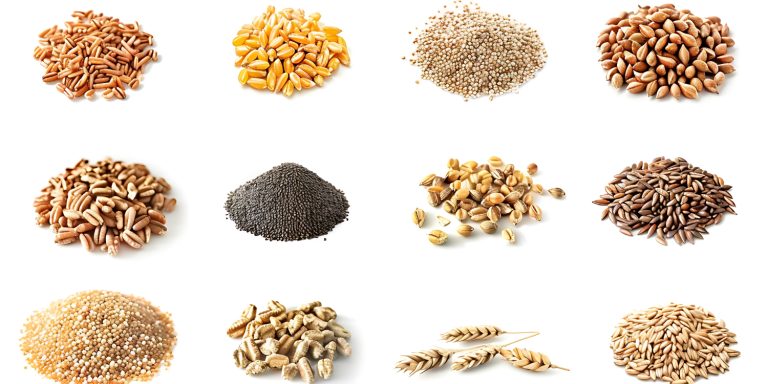
- Seeds and whole grains
- Sweet additions like chocolate or cream cheese
Texture Considerations
The hydration level of sourdough ranges from 65-80% and affects the texture by a lot. Bakers should cut back on the recipe’s water content if they add fresh fruits or vegetables to balance out the extra moisture. Dried ingredients like nuts and fruits need the opposite treatment – a slight bump in hydration keeps the dough supple.
Nutritional Enhancements
Bakers now focus on improving sourdough’s nutritional value through smart ingredient additions. Whole grain flour combinations help improve mineral accessibility and fiber content. The dough gets an extra boost from ingredients like pomegranate, seeds, or nuts that add antioxidant capacity and beneficial compounds.
Success with these additions relies on proper timing and technique. Bakers need to dry fresh ingredients really well before mixing them in to avoid excess moisture. A light toasting of dried ingredients can improve their flavor. Distribution of cheese or similar dense ingredients becomes significant to achieve consistent texture and taste throughout the dough.
Early Stage Additions
The right timing of early-stage additions plays a significant role in sourdough baking’s optimal results. A baker’s original mixing phase and ingredient incorporation depends on several factors that shape the final bread quality.
Mixing with Flour and Water
Bakers need to think over the overall hydration balance at the time of incorporating ingredients during early stages. Powdered ingredients like cocoa or coffee should mix with the recipe’s water portion before flour combination to ensure even distribution. The base recipe’s hydration needs adjustment downward for wet ingredients. Here’s everything in early-stage mixing:
- The main dough’s hydration should decrease by the water amount used to soak seeds or nuts
- Dry powdered ingredients need water mixing before flour addition
- The seed-to-flour weight ratio should stay close to 15%
- A 1:1 water-to-ingredient ratio works best to pre-soak dried ingredients
Impact on Fermentation
Adding ingredients early will affect the fermentation process and dough development by a lot. Sugar-containing ingredients can accelerate fermentation, so you need to watch bulk fermentation time closely. The way ingredients mix at the start changes how gluten develops and how strong the dough becomes.
The time you add ingredients shapes your dough’s structure. Your dough won’t form gluten properly if you add ingredients too early. The dough will reach its ideal strength when you add them at the right time. Some bakers make their dough stronger through stretch and folds before they mix in other ingredients.
Temperature is a vital factor at the time you make early-stage additions. Warm ingredients speed up fermentation, while cold ones slow it down. You should adjust your room’s temperature or bulk fermentation time to keep fermentation rates steady.
The best time to add soaked seeds or grains is during the first stretch and fold. This helps spread them evenly through the dough and keeps it strong. Your dough’s structure will absorb any extra moisture from soaked ingredients properly this way.
Mid-Process Inclusions
Mid-process inclusions play a key role in sourdough baking and let bakers boost their bread while keeping the dough structure perfect. When you add ingredients affects the final product’s texture and flavor distribution by a lot.
Adding Ingredients While Stretching and Folding
The best time to add ingredients to sourdough is at the third or fourth fold of the stretch and fold phase. The dough’s strength will be just right at this point. This timing will give a perfect opportunity to:
- Mix ingredients evenly through the dough
- Keep the gluten structure intact
- Let flavors blend together
- Help air pockets form again
- Build the dough’s strength
Bakers can sprinkle their ingredients right on the dough as they stretch and fold it. A gentle folding motion will mix everything together. The dough will have enough time to rebuild any lost air pockets through the rest of the bulk fermentation.
Lamination Technique
Lamination is a quick way to mix sourdough with extras like seeds, herbs, or grated cheese. While it shares its name with a complex pastry method, sourdough lamination works in a much simpler way.
The process starts with stretching your dough into a thin rectangle on a surface with just a touch of flour. You’ll want to use minimal flour since the dough’s stickiness helps you stretch it thin. After stretching, spread about three-quarters of your chosen ingredients evenly on top.
Next comes the folding. Shape the dough into a diamond by folding the bottom corners up diagonally and add more ingredients between the layers. Then fold the remaining corners over to create multiple layers with your add-ins spread throughout. This creates distinct layers and makes sure everything mixes well in your final loaf.
The best time to use this technique is during the middle of bulk fermentation, when it can replace one of your regular stretch and fold sessions. This timing lets the dough stay strong and gives your add-ins enough time to blend into the bread’s structure.
Late Stage Add-ins
Late-stage additions need perfect timing and careful thought to get the best results in sourdough baking. These final touches substantially affect your loaf’s look and taste.
Before Final Shaping
The last chance to add major ingredients into the dough structure comes right before final shaping. Temperature sensitivity is a vital factor during this phase. Bakers add ingredients like chocolate and cinnamon chips just before the cold ferment. This prevents them from melting in warm dough.
Adding ingredients with high moisture content at this stage can hurt the final rise. The dough needs these elements to work well:
- Fresh ingredients need proper drying
- Cheese works best at room temperature
- Dried fruits should soak and drain well
- Nuts and seeds taste better lightly toasted and cooled
Bakers make sure no added ingredients stick out from the dough surface at this stage. They tuck any exposed elements back into the dough or place them underneath. This step prevents burning while baking at high temperatures.
Toppings and Garnishes
Decorative elements added to sourdough can change a simple loaf into an artisanal masterpiece. The right timing is significant to apply toppings. Most garnishes work best after shaping the loaf or right before it goes into the oven.
Traditional toppings like sesame seeds make the bread look appealing and add texture. Bakers can try these combinations to boost flavor:
- Herb mixtures with sea salt
- Crumbled cheese with dried herbs
- Everything bagel seasoning
- Caramelized onions with herbs
The right balance matters with wet toppings and garnishes to protect the dough’s structure. Moisture management becomes critical at this stage because excess moisture can affect how the crust develops in the oven.
Skilled bakers often mix different garnishing techniques to create artistic presentations. The additions should complement the natural sourdough flavor instead of overpowering it. People should still taste the classic sourdough tang even with extra toppings.
Bakers can add seasoning mixes in the final stages to create unique flavor profiles. A light touch works best to avoid overwhelming the bread’s natural characteristics while ensuring each bite has consistent flavor.
Conclusion
The timing of ingredient additions is the life-blood of successful sourdough baking. Each stage offers ways to enhance bread quality. Mid-process inclusions create perfect distribution through lamination or stretch-and-fold techniques, while early-stage additions shape fermentation patterns. Your signature breads come alive with late-stage additions and toppings that add artistic flair and flavor while preserving the dough’s structure and development.
Great sourdough emerges when bakers understand and apply these significant timing elements with care. Professional bakers know how proper ingredient timing can reshape the scene – turning basic bread into exceptional loaves with ideal texture, balanced flavors, and visual appeal. You can lift your bread and pizza creation skills with an authentic artisanal sourdough starter from The Yeast We Can Do. Our small-batch starter helps passionate home bakers and restaurant owners create outstanding bread and pizza with perfect tangy flavor and signature crust john@theyeastwecando.com. Bakers who master these timing techniques craft remarkable sourdough that showcases their skill and creativity.
FAQs
When should I incorporate additional ingredients into my sourdough bread?
Add-ins can be incorporated at various stages depending on their nature and the effect you want them to have on the bread. Commonly, ingredients are added during the stretch and folds to ensure even distribution without deflating the dough. Alternatively, you can laminate them into the dough, which can replace a stretch and fold, or add them at the end of bulk fermentation just before shaping.
What is the best time to add extra ingredients to bread dough?
It’s advisable to add extra ingredients right before baking, after the dough has completed its bulk fermentation. This timing helps prevent large add-ins from cutting through the gluten strands, which could inhibit the bread’s rise and result in a flatter loaf.
How do I add mix-ins to sourdough according to Reddit users?
On Reddit, the consensus is to add mix-ins during the stretch and folds, preferably during the first set to avoid deflating the dough in later stages. Toppings are generally added after shaping the dough and before placing it in the banneton. You can also spritz the top with water and add toppings just before baking.
When is the optimal time to add seeds to sourdough?
Seeds should be added before the first set of stretch and folds. It’s effective to spread the cooled seed soaker and any optional ingredients like lemon zest on top of the dough before performing the stretch and folds. This method helps distribute the seeds evenly throughout the dough with each subsequent set of stretch and folds.
When making sourdough with fresh Serrano and cubed cheddar, when should these ingredients be added?
For ingredients like fresh Serrano peppers and cubed cheddar, adding them during the folds is ideal. This timing helps maintain the integrity of the dough while ensuring the ingredients are well incorporated