Sourdough Mediterranean Diet: Health Benefits and Recipes
Sourdough bread combined with the Mediterranean diet creates one of the healthiest eating approaches. Traditional sourdough bread serves as the lifeblood of Mediterranean cuisine, and its natural fermentation process provides unique nutritional benefits. Studies have shown that sourdough bread reduces gluten levels and helps control blood sugar better than regular bread varieties.
This piece shows you how sourdough bread fits into the Mediterranean diet and what health benefits it brings. You’ll find everything about adding sourdough to your Mediterranean meals, its nutritional value, and some practical Mediterranean diet bread recipes. Using time-tested Mediterranean methods, the guide also teaches you specific ways to make genuine sourdough bread with wild yeast.
Understanding Sourdough Bread
Sourdough bread traces its roots to ancient Egypt about 10,000 years ago. Unlike regular bread with commercial yeast, sourdough employs a natural fermentation process from wild yeast and lactic acid bacteria found naturally in flour and water.
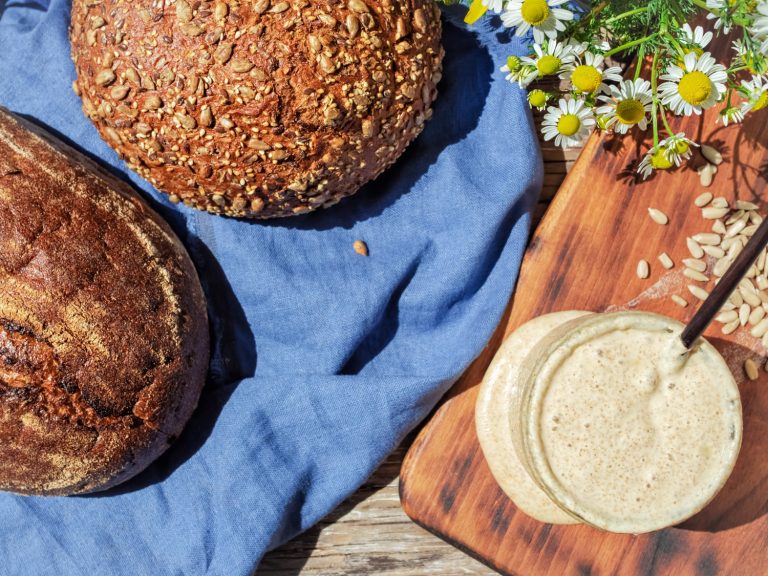
The heart of sourdough bread is its starter culture – a simple mix of flour and water that ferments and grows beneficial microorganisms. This starter breaks down wheat’s components more completely than commercial yeast and creates unique characteristics:
- Better nutrient absorption because it reduces phytic acid
- Complex flavor profile with a distinctive tangy taste
- A chewy interior and crispy crust that improves texture
- A lower glycemic index than regular bread
- Easier digestion as gluten breaks down partially
Sourdough bread takes much longer to ferment than commercial bread. This extra time lets natural bacteria better break down complex carbohydrates and proteins. The process creates lactic acid that gives sourdough its unique taste and helps boost its improved nutritional profile.
Real sourdough bread needs three ingredients: flour, water, and salt. Many store-bought “sourdough” products add commercial yeast and artificial flavors to copy the traditional taste. People following a Mediterranean diet should pick genuine sourdough bread from traditional fermentation methods to get the best nutritional value and authentic taste.
Health Benefits of Sourdough in the Mediterranean Diet
Recent scientific research shows how sourdough bread brings remarkable health benefits to the Mediterranean diet. The natural fermentation process creates unique properties that positively affect human health.
Your body responds better to extended fermentation in sourdough bread through improved blood glucose regulation. Research proves sourdough bread produces steadier blood sugar levels than regular yeasted bread. This makes it an excellent choice if you have blood sugar concerns.
The natural fermentation boosts the bread’s nutritional value in several ways:
- Better mineral absorption as phytic acid levels drop
- Higher fiber content that supports gut microbiota health
- Creation of bioactive peptides with antioxidant properties
- Better protein digestion through partial gluten breakdown
- Natural prebiotics that support digestive health
Scientists have found that sourdough’s unique fermentation creates compounds with anti-inflammatory properties. Beneficial bacteria produce lactic acid during fermentation. This acid gives the bread its distinctive taste and helps your digestion work better.
The long, slow fermentation in traditional sourdough baking breaks down complex carbohydrates and proteins, allowing your body to absorb nutrients more easily. This creates bread that seamlessly combines with the Mediterranean diet’s focus on whole, minimally processed foods. The result gives you lasting energy and easier digestion.
Incorporating Sourdough into a Mediterranean Diet
A Mediterranean diet with sourdough bread requires thoughtful planning and the right portion sizes. Whole-wheat sourdough varieties are a great way to get nutritional benefits that align with Mediterranean dietary principles.
You can add sourdough bread to your meals throughout the day:
- Breakfast: Top with avocado, sea salt, and olive oil drizzle
- Lunch: Create sandwiches with grilled vegetables and hummus
- Dinner: Serve alongside grilled fish and roasted vegetables
- Snacks: Dip in olive oil and balsamic vinegar
- Appetizers: Top with roasted garlic and herbs
Mediterranean cooking celebrates creative combinations with local ingredients. Simple sourdough becomes a distinctive Mediterranean-style bread with Castelvetrano olives, fresh herbs like thyme and rosemary, and lemon zest. High-quality extra virgin olive oil drizzled on sourdough creates a traditional Mediterranean pairing that improves flavor and nutrition.
Sourdough bread needs moderation in a Mediterranean diet. While bread plays a key role, it should complement your meals instead of taking over the plate. Your focus should stay on balancing the meal with plenty of vegetables, legumes, and other whole foods that make Mediterranean cuisine unique.
Delicious Mediterranean-Inspired Sourdough Recipes
Mediterranean cuisine has many creative ways to prepare and enjoy sourdough bread. Sourdough Bruschetta stands out with its grilled bread rubbed with garlic and topped with marinated tomatoes and fresh basil. Great bruschetta needs tomatoes that have marinated in extra virgin olive oil and herbs to develop maximum flavor.
Mediterranean Sourdough Pizza takes traditional pizza and makes it healthier. This delicious variation brings together classic Mediterranean ingredients:
- Kalamata olives
- Artichoke hearts
- Fresh spinach
- Crumbled feta
- Fresh herbs like oregano and thyme
Sourdough Panzanella combines Mediterranean traditions by mixing day-old sourdough with ripe tomatoes, cucumbers, and red onions. This rustic salad shows Mediterranean cuisine’s ingenuity in reducing food waste while creating tasty dishes.
Mediterranean Olive Sourdough puts a flavorful spin on simple sourdough bread. Mixed olives, lemon zest, and aromatic herbs create a loaf that perfectly captures Mediterranean flavors. The olives work as natural steam injectors during baking, creating a tender crumb structure with rich flavors throughout the bread.
These recipes show how sourdough adapts beautifully to create authentic Mediterranean dishes while keeping its nutritional benefits and distinctive fermented characteristics.
Conclusion
Sourdough bread shows evidence of Mediterranean culinary traditions’ enduring wisdom and offers remarkable health benefits through its natural fermentation process. Enhanced mineral absorption, improved blood sugar regulation, and better digestibility are scientifically proven benefits of sourdough. Traditional Mediterranean ingredients and preparation methods combine these advantages to create a healthy eating foundation that honors ancient wisdom and modern nutritional science.
You can incorporate this beneficial bread into daily meals through Mediterranean-style sourdough preparation methods while following the diet’s core principles of balance and wholesome ingredients. Traditional recipes like bruschetta, panzanella, and Mediterranean pizza open countless possibilities for home bakers and food enthusiasts. Ready to lift your bread and pizza game? The authentic artisanal sourdough starter from The Yeast We Can Do will give you the perfect foundation. Contact john@theyeastyoucando.com for your premium starter culture that creates exceptional bread and pizza with perfect tangy flavor and signature crust. Your dedication to authentic sourdough preparation methods will maximize health benefits while preserving Mediterranean cuisine’s time-honored traditions.
FAQs
Is sourdough bread suitable for a Mediterranean diet?
Yes, sourdough bread is suitable for the Mediterranean diet. Choosing bread made from whole grains, whole wheat, sprouts, and sourdough is recommended. However, bread made from refined grains, like white bread, should be avoided when following this diet.
What type of bread is considered the healthiest in the Mediterranean diet?
The healthiest breads for the Mediterranean diet are those made from whole grains. These include buckwheat, rye, oats, flax, millet, and barley varieties. Whole grain breads are less processed and provide high-quality carbohydrates, aligning well with the diet’s principles.
Is it advisable to eat sourdough bread daily?
Eating sourdough bread daily can be part of a balanced diet, but it should not necessarily be the primary focus if you aim to make healthier food choices. Enjoying sourdough occasionally is perfectly acceptable.
Can consuming sourdough bread improve gut health?
Yes, sourdough bread can potentially improve gut health. The lactic acid bacteria found in sourdough starters are considered probiotics, which can enhance gastrointestinal health.