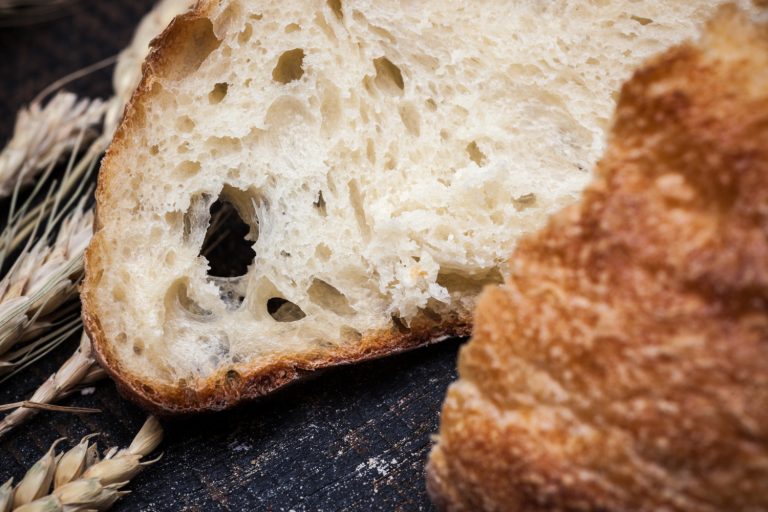
Sourdough Inflammation: Exploring Anti-Inflammatory Benefits
Scientists have discovered key differences between traditional sourdough bread and regular bread products. Sourdough fermentation produces unique compounds that help reduce inflammation in the body. Health professionals and researchers now pay more attention to this ancient bread-making technique because of its anti-inflammatory benefits.
Beneficial bacteria and wild yeast work together during sourdough’s slow fermentation process to completely change its nutritional value. These tiny organisms break down complex molecules that lower the glycemic index and create prebiotics to support gut health. People with gluten sensitivity can tolerate sourdough better than regular bread, which makes it an excellent choice for anyone following an anti-inflammatory diet.
The Science Behind Sourdough Fermentation
Sourdough bread‘s unique properties come from its complex fermentation process involving a dynamic microbial ecosystem. A mature sourdough starter contains lactic acid bacteria (LAB) and yeasts in a powerful symbiotic relationship, with LAB outnumbering yeasts 100 to 1. This combination changes simple flour and water into a more nutritious food.
Lactic acid bacteria and wild yeast
Lactobacillus species and wild yeasts are essential microorganism groups that power fermentation. These microbes create a fascinating partnership. Wild yeasts convert flour starch into sugars; bacteria transform these sugars into organic acids. The bacterial community’s composition is diverse. Some strains are homofermentative and produce mainly lactic acid. Other heterofermentative strains create acetic acid, carbon dioxide, and several other compounds.
Breakdown of complex molecules
Enzymes become active during fermentation and break down complex molecules in the flour. This process has three main reactions:
- Proteolysis: Proteins (including gluten) break down into smaller, more digestible amino acids
- Phytase activation: Phytic acid levels decrease to improve mineral bioavailability
- Starch degradation: Complex carbohydrates convert into simpler sugars
Production of beneficial compounds
The fermentation process produces several beneficial substances:
| Compound Type | Source | Benefit |
|---|---|---|
| Lactic Acid | LAB | Improves mineral absorption |
| Acetic Acid | Heterofermentative LAB | Extends shelf life |
| Exopolysaccharides | Bacterial metabolism | Enhances texture and water retention |
Temperature plays a significant role in determining the compounds produced. Warmer temperatures between 86-95°F create ideal conditions for homofermentative bacteria and lactic acid production. Cooler temperatures ranging from 59-72°F help heterofermentative activity and acetic acid formation thrive. The perfect balance of these conditions and microorganisms creates sourdough bread’s distinctive tangy flavor and health benefits.
Anti-Inflammatory Properties of Sourdough
Research shows that sourdough bread has unique anti-inflammatory properties that differentiate it from regular bread. The bread’s fermentation process creates complex biochemical changes that produce these health benefits.
Lower glycemic index
Studies show that sourdough bread helps control blood sugar levels better than regular bread types. The glycemic index numbers tell an interesting story:
| Bread Type | Glycemic Index | Glycemic Load |
|---|---|---|
| Sourdough | 54 | 8 |
| White Bread | 71 | 9 |
These lower glycemic values make sourdough bread a great choice if you must watch your blood sugar levels or follow an anti-inflammatory diet.
Increased nutrient bioavailability
Fermentation substantially improves mineral absorption by reducing phytic acid, which blocks nutrient absorption. Research shows better availability of essential minerals:
- Magnesium levels rise substantially
- Iron becomes more accessible than in regular bread
- Zinc reaches its best absorption rates
- Copper shows better absorption levels
Sourdough fermentation reduces phytic acid content by 71% and makes minerals more accessible to the body.
Prebiotic effects
Fermentation creates beneficial compounds that support gut health through prebiotic action. These compounds nourish good bacteria in the digestive system and help reduce inflammation while improving the gut barrier’s function. Lactic and acetic acid production during fermentation creates an environment that promotes optimal digestive health.
Sourdough’s bioactive peptides offer additional anti-inflammatory benefits. These specific protein fragments boost the body’s antioxidant and anti-inflammatory defenses. Research shows these compounds play significant roles in various health conditions, especially when you have inflammatory responses and oxidative stress.
Comparing Sourdough to Other Breads
Research comparing sourdough and conventional breads shows the most important ways they affect our bodies differently. Scientists have found that the extended fermentation process in sourdough bread provides unique benefits compared to mass-produced varieties.
Differences in digestibility
The digestibility of sourdough bread is better than conventional bread because of its unique fermentation process. The extended fermentation time (typically 24-48 hours) lets beneficial bacteria break down complex molecules and makes nutrients more available. The sourdough fermentation process can reduce phytates by up to 90% and significantly improve mineral absorption.
The bread’s digestive benefits include:
- Bacteria’s enzyme activity that breaks down proteins and starches
- Natural fermentation that reduces gluten content
- Better absorption of minerals like magnesium and zinc
- Less digestive discomfort than conventional bread
Blood Sugar Level Effects
Research shows significant differences between sourdough and regular bread’s effect on blood sugar. Here’s how different breads stack up:
| Bread Type | Glycemic Index | Blood Sugar Impact |
|---|---|---|
| Sourdough | 54 | Moderate, stable |
| White Bread | 71-75 | High, rapid spike |
| Whole Wheat | 69 | Moderately high |
Organic acids produced during fermentation alter the starch structure and slow digestion rates, explaining sourdough bread’s lower glycemic response.
Effects on gut health
Sourdough’s fermentation process creates powerful prebiotic compounds that support digestive health. Research shows that sourdough helps beneficial gut bacteria grow through two main mechanisms:
- Competitive inhibition: Good bacteria compete with harmful pathogens to get nutrients and space
- Antimicrobial protection: Fermentation triggers protective substances in the intestinal mucus layer
People who continue eating sourdough bread experience better gastrointestinal comfort and less bloating than those who eat conventional bread products. Sourdough’s lactic acid bacteria boost the bread’s prebiotic properties and contribute to a healthier gut microbiome.
Incorporating Sourdough into an Anti-Inflammatory Diet
When adding sourdough bread to an anti-inflammatory diet, the right portion sizes and food combinations need to be carefully considered. Studies show that smart use of sourdough can boost the effectiveness of anti-inflammatory meal plans.
Recommended serving sizes
Health experts recommend different amounts of sourdough bread that depend on your health goals and specific conditions. Studies suggest these optimal serving sizes:
| Meal Type | Serving Size | Frequency |
|---|---|---|
| Breakfast | 1-2 slices | Daily |
| Lunch | 1 slice | 2-3 times/week |
| Snacks | ½ slice | As needed |
Pairing with other anti-inflammatory foods
Sourdough’s anti-inflammatory benefits work collaboratively when paired with complementary foods. These beneficial combinations include:
- Healthy fats: avocado, olive oil, or omega-3-rich fish
- Fiber-rich vegetables: leafy greens, cruciferous vegetables
- Protein sources: legumes, fatty fish, lean poultry
- Anti-inflammatory spices: turmeric, ginger, cinnamon
Potential benefits for specific health conditions
Research shows that sourdough bread can help people with different health conditions. People with type 2 diabetes can maintain stable blood sugar levels because sourdough has a lower glycemic response. People with non-celiac gluten sensitivity often handle sourdough better than regular bread products.
Sourdough’s prebiotic properties help digestive health and can reduce symptoms if you have inflammatory bowel conditions. People managing inflammatory joint conditions or osteoporosis can benefit from sourdough’s improved mineral availability, especially when they have higher needs for calcium and magnesium.
Healthcare providers suggest eating sourdough as part of a detailed anti-inflammatory diet plan. To get the best results, stay well-hydrated and combine sourdough with regular exercise. The fermentation creates compounds that work well with other anti-inflammatory foods and can boost their positive effects on chronic health conditions.
Studies indicate that sourdough’s reduced inflammatory markers can help people with autoimmune conditions. The beneficial compounds that develop during fermentation help regulate the immune system and can balance inflammatory responses in your body.
Conclusion
Research shows that sourdough bread provides better nutrition than regular bread products. Studies prove its remarkable anti-inflammatory properties through complex fermentation processes that boost nutrient absorption, lower blood sugar levels, and promote gut health. Lactic acid bacteria and wild yeasts combine to turn essential ingredients into bread that helps with many health conditions.
Adding sourdough bread to your anti-inflammatory diet makes sense, as studies show it’s easier to digest and leads to lower inflammatory markers. People with different health issues see good results after eating properly fermented sourdough. The Yeast We Can Do offers authentic artisanal sourdough starter to help you improve your bread and pizza-making skills. Home bakers and restaurant owners can create exceptional bread and pizza with perfect tangy flavor and signature crust using our small-batch starter (email john@theyeastwecando.com. Eating natural sourdough regularly and other anti-inflammatory foods builds a strong base for better health.
FAQs
Does sourdough bread have anti-inflammatory properties?
Yes, sourdough bread is known for its health benefits, particularly regarding digestive health. It is considered anti-inflammatory, which can contribute positively to overall health.
Is sourdough bread suitable for people with autoimmune diseases?
Certain types of sourdough bread, such as buckwheat sourdough, are particularly beneficial for those with autoimmune diseases due to their high digestibility and gluten-free nature.
Can consuming sourdough bread improve gut health?
Yes, the lactic acid bacteria (LAB) found in sourdough starters are often considered probiotics, which can significantly enhance gastrointestinal health.
What are the health benefits of sourdough bread?
Sourdough bread promotes the growth of beneficial bacteria in the gut, similar to the effects of inulin and oligosaccharides found in various fruits and vegetables. Additionally, it is rich in various vitamins and nutrients, supporting day-to-day health.
Is there any research supporting the anti-inflammatory effects of whole-grain breads like sourdough?
While mainstream breads often contain pro-inflammatory ingredients, whole-grain breads such as sourdough are generally considered anti-inflammatory due to their natural composition and fermentation process.