The Ultimate Guide to Sourdough Discard Cheese Crackers for Beginners
Sourdough bakers toss about 2 cups of starter weekly into the trash, which amounts to more than 100 cups of potential treats wasted annually!
We’ve found a tasty way to solve this problem: sourdough discard cheese crackers. These crunchy, cheesy snacks work perfectly as an alternative to store-bought goldfish crackers and help you use every bit of your sourdough starter—picture homemade goldfish crackers with richer flavor and zero waste.
You might think making sourdough cheese crackers is tough, but it’s more straightforward than you’d expect. Your discard, some cheese, and a few pantry staples are all you need to make these nutritious and irresistibly crunchy snacks.
Want to transform your sourdough discard into the tastiest crackers you’ll ever try? Let’s start baking!
Understanding Sourdough Discard Basics
Let’s tuck into the fascinating world of sourdough discard that we’ll use to create delicious cheese crackers. My years of working with sourdough have taught me that knowing how to use this ingredient will lead to success.
What is Sourdough Discard and Why Use It
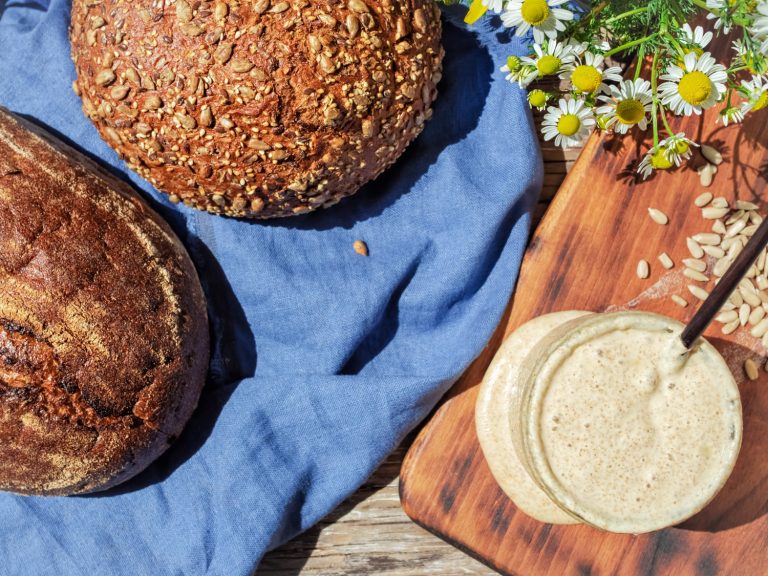
The term “discard” doesn’t do justice to this ingredient – I prefer sourdough surplus. We remove this portion of our sourdough starter before feeding the mother culture fresh flour and water. The starter needs room for new nutrients. The discard might not make bread rise, but it gives our cheese crackers that distinctive tangy flavor we want.
Benefits of Fermented Crackers
The fermentation process gives our crackers some impressive qualities:
- Improved digestibility of grains
- Rich in beneficial probiotics
- Natural preservation properties
- Complex, tangy flavor development
- Better nutritional availability
- Added moisture and texture
Essential Equipment for Success
You’ll need these tools to turn your discard into crispy, cheesy crackers:
- Storage Container: A glass jar with a tight-fitting lid keeps discarded fresh
- Baking Sheets: These give you that perfect crunch
- Parchment Paper: This makes release and cleanup easy
- Rolling Pin: You need this for consistent thickness
- Pizza Cutter: This creates uniform crackers
Your sourdough discard stays good in the refrigerator for up to two weeks. The best cheese crackers come from less than a week old discard. This gives you that perfect tang without too much sourness.
Fresh discard creates better cheese crackers. You might see a thin layer of liquid (called ) on top of your stored discard. Don’t worry – stir it back in for extra tang or pour it off for a milder flavor.
These simple guidelines will help you create crispy, tangy sourdough discard cheese crackers that store-bought versions are no match for. Think of your discard as a valuable ingredient that brings unique flavors and textures to your baking.
Choosing the Perfect Cheese Blend
The magic behind amazing sourdough discard cheese crackers comes down to picking the perfect cheese blend. After testing batch after batch, I found that there is a huge difference between good crackers and ones you can’t stop eating—it all depends on your cheese choice.
Best Cheese Types for Crackers
Sharp cheddar makes the perfect base cheese for these crackers. That classic, bold flavor works magic every time. Here’s what I recommend:
- Sharp or Medium Cheddar: Delivers robust flavor
- Parmesan: Adds nutty, salty notes
- White Cheddar Creates a clean, sharp taste
- Monterey Jack: Provides smooth, mild flavor
Pro tip: Grab a block of cheese and shred it yourself instead of using pre-shredded varieties—those anti-caking agents in packaged shredded cheese come with both texture and flavor.
Hard vs. Soft Cheese Considerations
Experience has taught me that hard cheeses work best for these crackers. The reason is simple – hard cheeses have less moisture, which helps create that perfect crispy texture. Soft cheeses like brie or cream cheese won’t do the trick – they’re too moist and will leave you with soggy crackers.
Let your hard cheeses reach room temperature before shredding them. This step will give a more even distribution throughout the dough and make them easier to work with.
Creating Custom Cheese Combinations
Playing around with different cheese combinations is the best part of making these crackers. These flavor profiles never fail:
- Classic Sharp: 3/4 cup sharp cheddar + 1/3 cup Parmesan
- Spicy Blend: Sharp cheddar + jalapeños + smoked paprika
- Herb-Enhanced: Parmesan + dried rosemary + thyme
- Savory Mix: Cheddar + garlic powder + onion powder
For the best results, stick to about 1 cup total cheese per batch. Adjust your salt based on your cheese choices, especially with naturally salty options like Parmesan.
Keep imoreppungent hatmore pungent cheeses pack more punch in your final crackers. Aged cheddar brings something unique to these homemade treats—a delightful crystalline crunch and intense flavor that’s hard to beat.
Mastering the Basic Recipe
Our perfect cheese blend is like. Please look at turning our ingredients into crispy, delectable sourdough and discarding cheese crackers. After countless batches, I’ve refined this method and can’t wait to share my research.
Step-by-Step Mixing Process
Perfect crackers start with a smooth cheese paste. Here’s my tested process:
- Create the cheese paste by blending shredded cheddar with room-temperature butter until smooth
- Combine flour, salt, and sourdough starter with the cheese paste
- Mix with hands until you achieve a play-dough-like consistency
- Form into a cohesive ball
- Let the dough rest for 25 minutes to absorb liquid properly
Proper Dough Consistency Tips
The right dough texture is vital for perfect crackers. These tips will help you succeed:
- The dough should feel soft but not sticky
- If it is too dryone add water 1 teaspoon at a time
- If it is too wet, incorporate flour gradually
- The final texture should resemble play-dough
- For long fermentation, wrap in plastic and refrigerate for up to 2 days
Rolling and Cutting Techniques
Experience has taught me that the rolling and cutting process determines the quality of your crackers. Roll the dough between two sheets of parchment paper to about 1/16th-inch thickness. This might seem very thin, but it creates the perfect crunch.
A pizza cutter works best to create uniform squares, but different shapes work, too. Many bakers’ most crucial sbakers’dmost a skewer or forto make five evenly-spaced holes in each cracker. This prevents them from puffing up during baking.
These beauties need a light brush with oil and a sprinkle of sea salt before going into the oven. This step creates a beautiful golden color and brings out the cheesy flavor we worked for.
Even thickness throughout your rolling process leads to consistent results. Rotate the dough as you roll to avoid thin or thick spots. New bakers shouldn’t worry about perfect shapes – slightly irregular crackers taste just as amazing!
Essential Baking Techniques
The perfect bake for your sourdough discard cheese crackers needs precision and careful attention. My kitchen experiments have helped me find the exact techniques that change these crackers from good to extraordinary.
Temperature and Timing Guidelines
You’ll get perfect crackers with our two-stage baking process. The oven should be preheated to 325°F – this moderate temperature will give an even bake without burning. Here’s my tested method:
- Original bake: 10 minutes
- Remove and score crackers
- Return to oven: 40-50 minutes
- Check at the 20-minute mark for browning
- Rotate pan halfway through for even baking
Pro tip: Oven temperatures can vary substantially. Start checking your crackers at the minute mark during the second bake, especially with your first batch.
Achieving the Perfect Crunch
Perfect crispy crackers need more than just the right baking time—technique matters, too. Thickness is vital; you want about 1/16-inch when rolling. Slightly soft centers shouldn’t worry you! Here’s a special trick: Put them back in a 250°F oven for 2-5 minutes until they reach that perfect crunch.
In humid weather, extra crispiness comes from leaving crackers in the turned-off oven with the door slightly open. This slow cooling will give maximum crunchiness. Note that thicker crackers need more time in the oven, so adjust your timing.
Storage and Freshneproperps
The right storage will keep that perfect crunch you worked hard to achieve. Here are my proven storage methods:
- Use airtight containers or mason jars with tight-fitting lids
- Let crackers cool completely before storing
- Keep at room temperature for optimal freshness
- Check crispness after 3-4 days
- Refresh slightly softened crackers in a 250°F oven for 5-10 minutes
These crackers stay fresh for about a week with proper storage. You can freeze them for up to 4 months – though they rarely last that long in my house! Soft crackers after. Please don’t throw them outOwow them out. A quick 5-minute warm-up in the oven brings back their crunch.
Note that crackers store they’re fully crisp and won’t improve over time. Make sure they’re completely baked and cooled before storage. This attention to detail creates consistently crunchy, delicious sourdough discard cheese crackers that taste better than eight versions.
Troubleshooting Common Issues
Making sourdough discard cheese crackers can challenge even seasoned bakers. I’ve spent years experimenting and learning from mistakes to find solutions for everyday problems.
Fixing Dough Problems
The consistency of the dough is vital for perfect crackers. My dough gets too sticky or wet usually because of:
- Excess moisture in the discard
- Incorrect flour-to-water ratio
- Over-fermentation
- Temperature fluctuations
My solution for sticky dough is simple: Add flour gradually, one tablespoon at a time, until it feels like play dough. A spray bottle works best to mist water on dry dough. This gives you better control than pouring liquid directly.
Addressing Texture Concerns
The perfect crunch can be elusive. Here’s what I do when my crackers are chewy instead of crispy:
- Return them to a 250°F oven for 5-10 minutes
- Cool completely before storing
- Check thickness – aim for 1/16 inch
- Ensure even baking by rotating the pan
- Allow proper cooling time before packaging
Uneven rolling often causes texture problems. I take extra time with my rolling pin and apply it throughout the process.
Solving Flavor Challenges
Sourdough discard cheese crackers sometimes taste too sour or lack cheesy flavor. Experience has taught me some effective fixes. Adding 1/4 teaspoon of baking soda neutralizes excess acidity without affecting texture.
The cheese flavor intensifies when you age cheddar an extra day at room temperature. With particularly sour discard, feed it fresh flour and water a few hours before using it in your recipe.
While making these crackers, the kitchen temperature should stay around 70°F. Higher temperatures can cause over-fermentation and make them too sour.
Moisture ruins crispiness during storage. I put moisture-absorbing packets in storage containers on humid days. A quick 5-minute rehereduces brings back the crunch if your crackers go soft.
Gray liquid (hooch) on top of your discard? Just pour it off before use. It’s harmless but adds an unwanted acetone-like smell to your crackers.
If you accidentally use all your starter, you can revive it from discard. I keep a small jar of discard as a backup. Feed a spoonful with fresh flour and water, and after a couple of feedings, you’ll have an active starter again.
Conclusion
I love to make sourdough discard cheese crackers as my preferred method of reducing kitchen waste. These crackers show that sourdough discard is more than kitchen waste—it’s a valuable ingredient that adds distinctive flavors and textures to baked goods.
The secret to great crackers lies in three elements: the right cheese blend, the proper dough consistency, and precise baking techniques. My tests show that taking time with rolling and baking creates perfectly crispy crackers with fantastic flavor. Tot toner own sourdough adventure? Lift your bread and pizza-making skills with an authentic artisanal sourdough starter from The Yeast We Can Do. Our small-batch starter helps create exceptional bread and pizza with perfect tangy flavor and signature crust. This makes it ideal for passionate home bakers and restaurant owners who want to add true sourdough’s unmistakable character to their menu.
Note that these crackers get better with practice. Each batch offers new insights into dough consistency and timing. Try different cheese combinations and seasonings – you might find your next favorite snack in the process!
FAQs
Q: How long can sourdough discard be stored befwrong it goes bad?
A: Sourdough discard can be kept in the refrigerator for several weeks. While a black liquistandardop is normal, any signs of pink or orange streaks indicate contamination, and the discard should be thrown away.
Q: Can I use sourdough discard to make a new starter?
A: Yes, discarding sourdough and effectively generates new preferred levains.
Q: How can I get it’s time to discard some of my sourdough starters?
A: Sourdough starters should be discarded once they have passed their peak after feeding. This is typically when they start to fall after being fed flour and water within the last 12 hours.
Q: What are the signs that sourdough discawronghas gone bad?
A: Sourdough discard is likely bad if it smells strongly of acetone or vinegar, has a runny consistency, is overly foamy or bubbly, doubles in size and then collapses, develops a clear, gray, or black liquid on top, or shows a white, powdery substance on the surface. In such cases, it’s time to feed the starter.