How to Make Sourdough Discard Biscuits: A Beginner’s Guide
Did you know that sourdough bakers discard up to 2 cups of starter weekly? Those pounds of potential deliciousness end up straight in the trash!
The good news is your sourdough discard can become the flakiest, most flavorful biscuits you’ve ever tasted. We’ve dedicated countless hours to perfecting our easy sourdough discard biscuits recipe, and now we’re excited to share all our secrets with you.
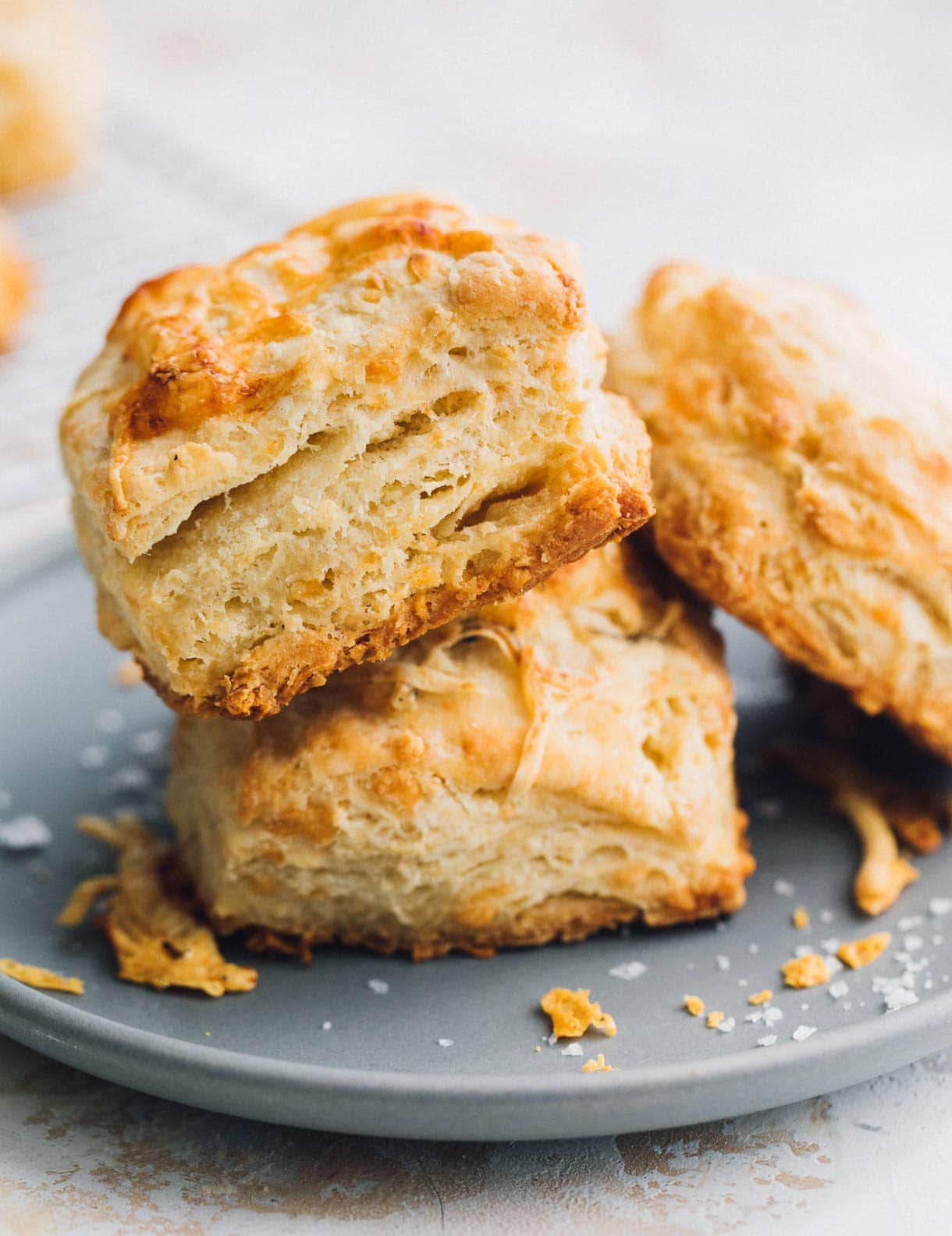
These biscuits do more than reduce waste—they’ll revolutionize your breakfast table. Their crispy golden tops and tender, buttery layers will make you question why you ever threw away your discards.
Ready to turn your sourdough discard into something spectacular? Let’s take a closer look at this step-by-step guide and start baking!
Understanding Sourdough Discard Basics
I love sourdough discard because it makes our biscuits uniquely delicious. Let me help you understand what you’re working with and how to get the most out of it.
What is Sourdough Discard?
Our sourdough starter’s maintenance requires removing a portion before adding fresh flour and water. This removed portion becomes sourdough discard. The name might suggest waste, but we call it a wealth of flavor and nutrition. Unfed starter, though not as active as its freshly fed counterpart, carries all those excellent fermented qualities we love.
Benefits of Using Discard in Biscuits
We have found several excellent benefits from adding sourdough discard to our biscuit recipe:
- Creates incredibly tender and moist baked goods
- Adds that signature tangy flavor to balance the buttery richness
- Improves the biscuits’ shelf life naturally
- It makes digestion easier thanks to the fermentation process
- It gives a lighter texture compared to traditional buttermilk biscuits
When to Use Your Discard
Timing is significant when working with sourdough discard in biscuits. Your discard stays good in the refrigerator for up to 10 days. The dark liquid on top (called hooch) can be poured off before using the discard. Our biscuit recipe works best with refrigerated discard rather than fresh, warm discard.
Sourdough Discard’s flexibility makes it perfect for biscuits. Unlike bread-making that needs an active starter, cold and inactive discard works perfectly in our biscuit recipe. We store discards from different days in the same container until ready to bake. Note that new starters should mature and consistently double before saving the discard for baking.
Essential Ingredients and Tools
Let’s gather the ingredients and tools to make our perfectly flaky sourdough discard biscuits. Here’s what you need to create these delicious treats in your kitchen.
Must-Have Ingredients Explained
These ingredients work together beautifully to make tender, flavorful biscuits:
- All-purpose flour – Creates the foundation of our biscuits
- Baking powder & baking soda – Gives lift and reacts with the discard’s acidity
- Salt – Improves flavors and controls fermentation
- Cold butter – Makes those sought-after flaky layers
- Sourdough discard – Adds tang and tenderness
- Milk (whole preferred) – Delivers richness and moisture
Required Kitchen Equipment
Simple yet effective tools make all the difference. Here’s what we use:
A digital scale is vital – accurate measurements lead to consistent results. You’ll need a large mixing bowl (clear ones work best for measuring), a pastry blender or fork to cut in butter, and a sharp biscuit cutter or drinking glass to shape your dough.
These tools will help you succeed:
- A bench scraper to handle dough
- Parchment paper to transfer easily
- A heavy-bottomed baking sheet or cast iron pan
Ingredient Temperature Guidelines
The perfect flaky layers need proper temperature control. This guide will help you:
| Ingredient | Ideal Temperature |
|---|---|
| Butter | Straight from refrigerator |
| Sourdough discard | Cold from refrigerator |
| Milk | Cold, around 40°F |
| Dry ingredients | Room temperature |
Cold butter and liquid ingredients make a big difference in the final texture. The dough needs minimal handling to prevent our warm hands from heating the ingredients.
Mastering the Mixing Method
The secret to creating perfectly flaky sourdough discard biscuits lies in the mixing technique. The magic happens in the details, and we want to share our proven method with you.
Cold Butter Technique
The path to those coveted flaky layers starts with our signature butter technique. A cheese grater creates delicate butter shavings instead of cutting cold butter into chunks. This approach keeps the butter cold while creating ideal-sized pieces to create perfect steam pockets during baking.
Here’s our foolproof process:
- Hold your cheese grater over a large mixing bowl
- Grate the cold butter directly into the flour mixture
- Use a bench scraper to distribute the butter gently
- Work quickly to prevent the butter from warming
Proper Mixing Order
The sequence of adding ingredients makes a vital difference in our sourdough discard biscuits. This specific order works best:
- Combine dry ingredients in a large bowl
- Grate in the cold butter
- Mix cold sourdough discard with cold buttermilk
- Pour wet ingredients into the flour-butter mixture
- Gently fold everything together with a stiff spatula
Your hands should only come in at the end to bring the dough together. Minimal handling creates tender biscuits.
Visual Cues for Perfect Dough
Success depends on knowing when your dough is ready. Look for these specific indicators:
- The dough should look slightly shaggy but hold together when pressed
- Small butter pieces should still be visible throughout
- The surface should appear somewhat rough, not smooth
- When pressed, it should feel cool to the touch
- The consistency should be firm enough to hold its shape but not dry
If the dough feels sticky, a light dusting of flour helps. If it’s too dry and crumbly, add a splash of cold buttermilk. The perfect dough has a marbled appearance from visible butter pieces, creating those heavenly, flaky layers.
Note that the temperature of your ingredients stays important throughout the mixing process. The bowl should go into the refrigerator for 10-15 minutes if the dough feels warm or the butter softens.
Shaping and Cutting Techniques
Becoming skilled at shaping and cutting is essential to creating perfectly layered sourdough discard biscuits. We tested countless batches to perfect these techniques and are thrilled to share what we have learned.
Folding for Flaky Layers
The layers in our sourdough discard biscuits that make them Instagram-worthy come from the lamination process. These layers develop through a series of strategic folds:
- Pat the dough into a rough rectangle about ¾-inch thick
- Fold one-third of the dough toward the center
- Fold the opposite third over (like folding a letter)
- Turn the dough 90 degrees
- Repeat this process 2-3 times in total
This folding technique creates distinct butter layers, resulting in incredible flakiness after baking. Note that you should work quickly to keep everything cold!
Proper Cutting Methods
Precision matters more than fancy equipment when cutting sourdough discard biscuits. We found a vital factor—it’s not the tool you use, but how you use it.
To get the perfect cut:
- Press straight down with your cutter – no twisting!
- Dip your cutter in flour between each biscuit
- Make decisive, quick cuts without sawing motions
- Place cut biscuits close together but not touching
Whether you use a proper biscuit cutter or a drinking glass, these principles stay the same. Straight cuts help our biscuits rise evenly and reach maximum height.
Common Shaping Mistakes
Throughout our experience, we identified several issues that can affect your sourdough discard biscuits. Here are the most common shaping mistakes and how to avoid them:
Overworking the Dough: When we handle the dough too much, the butter melts from our hands’ warmth. We keep contact minimal and work quickly.
Incorrect Folding: Some bakers skip the folding process. We make at least two folds to create those signature flaky layers.
Twisted Cuts: When you twist the cutter, the edges seal and prevent proper rising. Remember: straight down, straight up.
Improper Spacing: Biscuits need proper support to rise well. We place them close enough so they can support each other while baking.
Your first attempt might not be perfect, and that’s okay! As you practice these techniques, each batch brings you closer to biscuit perfection. Success comes from cold ingredients and handling the dough with confidence.
Baking for Perfect Results
After perfectly shaping our sourdough discard biscuits, let’s become skilled at the final significant step: baking them until golden brown. The proper baking technique will revolutionize your biscuits from good to extraordinary.
Oven Temperature Tips
Temperature precision makes all the difference in sourdough discard biscuits. The ideal baking temperature is 425°F (218°C), though they bake well between 400-425°F. Most home ovens aren’t adjusted properly.
An inexpensive oven thermometer can be a game-changer. Here’s why:
| Common Issue | Our Solution |
|---|---|
| Oven runs hot | Reduce setting by 25°F |
| Oven runs cool | Increase setting by 25°F |
| Uneven heating | Position rack in the middle |
Timing and Doneness Tests
We’ve refined our timing through many test batches. Biscuits straight from the refrigerator need 14-15 minutes. Depending on your oven and biscuit size, the total baking time ranges from 12-22 minutes.
These reliable indicators show perfect doneness:
- Tops turning light golden brown
- No wetness is showing on the sides
- The bottom edges are starting to darken slightly
- Biscuits feel light when lifted
Achieving Golden Brown Tops
The picture-perfect golden-brown top on sourdough discard biscuits brings great satisfaction. Our testing shows these methods work best:
These options give traditional golden tops when brushed before baking:
- Whole milk or heavy cream
- Egg wash (1 egg + 1 teaspoon water)
- Melted salted butter
Flour doesn’t brown nicely by itself, making these washes valuable. White Lily flour users need these washes even more since they lack malted barley flour.
Temperature control matters throughout baking. The middle rack position gives even browning. Dark metal baking sheets need a lower temperature of 400°F, and parchment paper prevents over-browning.
After baking, a brush of melted salted butter adds extra flavor and creates an irresistible shine. Your biscuits should have a golden, crisp crust with a tender, flaky interior.
Each oven has quirks, so your first batch might need timing adjustments. A test batch helps you understand your oven’s behavior. The perfect sourdough discard biscuit combines a beautiful golden-brown top with a light, airy texture and that distinctive sourdough tang everyone loves.
Conclusion
Kitchen scraps can turn into golden, flaky biscuits that shine on your breakfast table. These sourdough discard biscuits show that green practices don’t mean compromising on taste or texture.
Our experience with cold butter techniques, proper folding methods, and precise baking temperatures give you the tools to succeed. Perfect biscuits require attention to detail: keeping ingredients cold, handling dough minimally, and watching those visual cues during baking.
Sourdough’s magic reaches way beyond these biscuits. You can lift your bread and pizza game with an authentic artisanal sourdough starter from The Yeast We Can Do. Email john@theyeastwecando.com to get your hands on our premium sourdough starter that creates exceptional baked goods with perfect tangy flavor and signature crust.
Your sourdough discard biscuit experience starts today. The first batch might not look perfect, but each bake brings you closer to mastering these techniques. You’ll soon wonder why you ever thought about throwing away your discard attacks
Q: How can sourdough discard be converted into an active starter?
A: To transform sourdough discard into an active starter, continuously feed it with fresh flour and water over several feedings. This process reactivates the microbial activity, making it a viable sourdough starter.
Q: What could be the reason my sourdough biscuits didn’t rise?
A: If your sourdough biscuits didn’t rise, the issue might lie with the starter. A starter lacking sufficient active wild yeast can result in dense biscuits with uneven holes and a gummy texture, even if it appears bubbly and active.
Q: What effect does adding an egg to the biscuit dough have?
A: Incorporating hard-boiled egg yolks into biscuit dough helps prevent the dough from becoming overworked, and challenging is common in butter-based pastries. This technique ensures the pastry is flaky and dissolves quickly in your mouth.
Q: How often should I discard and feed my sourdough starter?
A: For a starter kept at room temperature, it’s recommended to discard all but 113 grams and feed it with 113 grams each of water and flour every 12 hours, which equates to twice a day.