How to Perfect New Haven Pizza Dough Recipe at Home
Americans consume 46 slices of pizza yearly, yet surprisingly, only 1% have experienced authentic New Haven-style pizza.
Our team dedicated several years to perfecting our New Haven pizza dough recipe. We tested numerous variations until we captured that distinctive char and chew that makes New Haven pizza unique. Success comes from understanding the ingredients and the science behind this century-old craft.
Most home cooks find it challenging to achieve that perfect balance of crispy exterior and chewy interior that defines New Haven-style pizza. Here’s the good news – you can create restaurant-quality New Haven pizza in your kitchen with proper technique and patience.
Want to become skilled at making New Haven pizza? Let’s explore these essential techniques and secrets that will forever change your homemade pizza game.
The Science Behind Perfect New Haven Pizza Dough
The science that makes New Haven-style pizza dough unique is worth a closer look. The perfect New Haven pizza dough recipe goes beyond mixing ingredients. It’s about understanding how proteins, fermentation, and temperature work together.
Understanding Protein Content and Gluten Development
The perfect New Haven-style pizza dough needs a precise balance of proteins. High-gluten bromated flour with a hydration factor approaching 70% creates a very wet dough. The flour’s two proteins – glutenin and gliadin—combine with water to form gluten, which creates the elastic network that gives our dough its signature chew and structure.
The Role of Fermentation in Flavor Development
Fermentation is where the real magic happens. Slow fermentation produces complex flavors that need time to develop. The yeast works through this process by consuming sugars in the flour and producing carbon dioxide and ethanol. This results in:
- Airy pockets in the crust structure
- Rich, developed flavors
- Better browning capabilities
- Improved dough elasticity
Temperature Control and Dough Chemistry
Temperature control is a vital scientific element. Cold fermentation (between 24 and 72 hours) improves both flavor and texture. At cooler temperatures, the yeast creates more desirable flavor compounds and fewer sour ones. This slower process lets the flour’s enzymes break down proteins properly, making the dough easier to stretch and shape.
The dough’s high water content (around 70%) makes it sticky and challenging to handle, but this creates the signature bubbly, ciabatta-like texture of authentic New Haven-style pizza. The combination of wet dough and intense oven heat creates the perfect conditions for those sought-after charred spots and airy pockets.
Essential Ingredients for Authentic Apizza Dough
The perfect New Haven pizza dough begins with premium ingredients. Testing has shown that success depends on ingredient selection and understanding how each component creates that signature texture and taste.
Selecting the Right Flour Type
High-protein bread flour serves as our foundation. Tests confirm that bread flour with a protein content of around 12-13% delivers the distinctive chewy texture that makes New Haven pizza famous. Specialized 00 pizza flour, especially Caputo Pizzeria, works best because manufacturers have designed it specifically for pizza-making excellence.
Water Quality and Temperature Effect
Most home bakers overlook water quality’s significant role. Water with medium hardness (100-150 ppm) produces the best dough results. Our experience with water properties shows that:
- Water pH should be slightly below 7 for optimal fermentation
- Medium-hard water helps feed the yeast properly
- Temperature between 100°F and 110°F activates yeast effectively
Salt and Yeast Ratios Explained
Repeated testing helped us perfect our ratio system. Our standard New Haven pizza dough recipe uses the following:
- Salt: 2.3% of flour weight (approximately 17g per 747g flour)
- Active Dry Yeast: 0.5% of flour weight (roughly 4g)
- Water: 67% hydration (500g per 747g flour)
Weight measurements provide better consistency than volume measurements. These precise ratios help develop the perfect balance of strength and extensibility that New Haven-style pizza needs.
Pro Tip: Salt should be added after combining flour, water, and yeast. This prevents salt from inhibiting yeast activity.
Mastering the Cold Fermentation Process
The perfect New Haven pizza texture comes from becoming skilled at cold fermentation. Years of testing have shown that this vital step determines the final quality of your pizza dough.
Step-by-Step Fermentation Timeline
Our cold fermentation process begins right after mixing the dough. The best results come from refrigerating the dough for at least 48 hours, though 72-96 hours gives optimal flavor development. During this period, the dough stays covered in an airtight container to prevent drying.
Managing Dough Temperature
Temperature control makes all the difference during fermentation. The dough works best at 75°F to 78°F (24-25°C). If the temperature climbs too high, your dough needs 15-30 minutes of refrigeration. A warmer spot in the kitchen helps when the dough feels too cold until it reaches the ideal temperature.
Signs of Proper Fermentation
Experience has taught us these significant indicators of properly fermented dough:
- Texture and Feel
- Soft and elastic consistency
- Slight stickiness while maintaining shape
- Gentle spring-back when poked
- Visual Cues
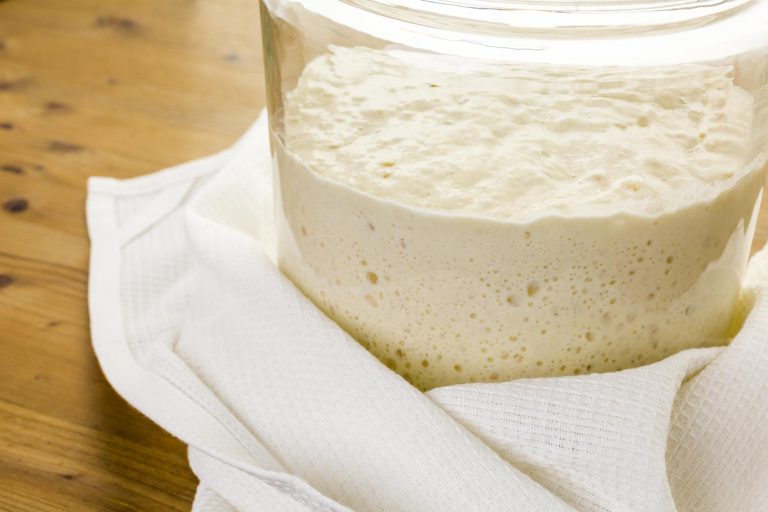
- Visible small bubbles throughout
- Smooth, slightly domed surface
- Increased volume (150-200% of original size)
Pro Tip: A clear, straight-sided container helps measure the dough’s rise accurately. Mark the original volume and monitor its progress throughout fermentation.
The dough signals over-fermentation through excessive slackness or a robust sour smell. New Haven-style pizza dough reaches its sweet spot between 72 and 96 hours of cold fermentation. This timing creates the perfect balance of flavor development and structural integrity.
Troubleshooting Common Dough Problems
Pizza makers with years of experience still face tough challenges. Our team has created reliable solutions by perfecting our New Haven pizza dough recipe over the last several years. Here are the most common problems and their solutions.
Fixing Sticky or Tough Dough
Sticky dough results from too much hydration or the wrong type of flour. Our team follows these steps if the dough becomes too sticky:
- Add small amounts of flour gradually while kneading
- Use oil on your hands instead of extra flour while handling
- Rest the dough for 10 minutes between kneading sessions
- Ensure proper flour protein content (12-13%)
The dough needs an autolyze period of 30-60 minutes to fully hydrate and let the gluten relax naturally if it becomes challenging.
Addressing Fermentation Issues
Our extensive testing has revealed these major fermentation problems:
Under-fermentation signs:
- The dough bounces back immediately after pressing
- Difficult to stretch
- Lacks proper flavor development
Over-fermentation indicators:
- Wrinkled surface appearance
- No bounce-back after pressing
- Excessive bubbling
Temperature and timing adjustments help solve these issues. The proof time needs to be extended in a slightly warmer environment for the under-fermented dough. Our team uses a “re-knead” technique to fix the gluten structure in over-fermented dough.
Preventing Dough Collapse
Temperature changes and poor container coverage often lead to dough collapse. Our team maintains structural integrity by:
Monitor Temperature: Keep dough between 36-40°F during cold fermentation. Control Moisture: Leave the container slightly vented to prevent condensation. Time Management: Follow strict proofing schedules based on yeast quantity. Container Selection: Use straight-sided containers to track rise accurately
If early collapse signs appear, quick reshaping of the dough and a slight temperature reduction usually save our New Haven-style pizza dough.
Pro Tip: The finger dent test before final shaping ensures perfect proofing – the dent should slowly rebound.
Conclusion
Perfect New Haven pizza dough demands dedication, precision, and a solid grasp of core principles. We have gained valuable insights about protein content, fermentation science, and temperature control that make this style stand out.
Success depends on careful attention to ingredients, exact measurements, and patient cold fermentation. These fundamental elements combine to create authentic New Haven pizza’s distinctive char, chew, and flavor.
Practice makes these techniques second nature, and the results reward every minute you spend honing your craft. You can lift your bread and pizza game with an authentic artisanal sourdough starter from The Yeast We Can Do. Our premium sourdough starter helps create exceptional bread and pizza with perfect tangy flavor and signature crust – email john@theyeastwecando.com to get yours.
Excellent pizza dough requires more than just following recipes. Understanding the process and adjusting based on your observations matter significantly. Take our tested ratios and techniques as a starting point, then adapt them to your kitchen’s unique conditions. Your perfect New Haven pizza is within reach.
FAQs
Can I prepare New Haven-style pizza in my kitchen?
Yes, you can create New Haven-style pizza at home. The key to achieving authentic taste and texture lies in using high-protein flour and mimicking the effects of a coal-fired oven. You can make a delicious New Haven-style pizza with the right ingredients and some essential kitchen tools.
What distinguishes New Haven-style pizza?
New Haven-style pizza is known for its thin, often oblong crust, which features a characteristic charring and a chewy texture. Unlike other styles, it uses minimal melting cheeses, making it drier and thinner than traditional New York-style pizza.
What is the hydration level of New Haven pizza dough?
The dough for New Haven pizza typically has a hydration level of 70%, which makes it somewhat sticky. Oil or wet your hands with water to handle the dough more efficiently.
What are some effective techniques for making pizza dough?
Ensure all ingredients are at the correct temperature to make a great pizza dough. Use half-bread flour for strength and half-all-purpose flour for a good rise. Consider substituting honey for sugar to enhance the caramelization of the crust. These tips can help you achieve a tasty and visually appealing pizza crust.
Are there any specific recipes or tips for achieving authentic New Haven-style pizza?
For authentic New Haven-style pizza, focus on the crust using high-protein flour and techniques that mimic a coal-fired oven. Please payy attention to the hydration level of your dough and handle it with care to maintain its texture.