How to Start Hosting Bread Baking Classes: A Complete Guide
People just need artisanal bread making skills more than ever as they find the joy of creating homemade bread. Experienced bakers have a chance to share their expertise and build a rewarding business by teaching bread baking classes. This piece gives aspiring instructors the tools to turn their bread-making knowledge into well-laid-out, engaging courses.
A good bread-making class should cover essential techniques from simple dough mixing to advanced sourdough preparation. Students will learn about curriculum development, equipment needs, class structure, and marketing strategies. Teachers can create hands-on experiences that help students develop significant skills like stretch and folds while building a successful teaching business, regardless of their students’ experience level.
Preparing to Host Bread Baking Classes
A successful bread-baking class needs good preparation and the right setup. You’ll need to gather equipment that supports multiple students first. Basic equipment requirements include:
• Digital scales to measure precisely
• Multiple mixing bowls (plastic or glass)
• Professional-grade baking trays
• Temperature monitoring tools
• Dough scrapers and bread knives
• Enough oven space
Market research will help you better understand your target audience. This knowledge shapes your class sizes, pricing strategies, and curriculum difficulty levels. Your teaching space needs good ventilation, enough counter space, and room for students to work with dough comfortably.
Temperature control is crucial for your bread-making classes to succeed. Your teaching space’s consistent ambient temperature affects dough development and fermentation. Good lighting above workstations helps students see dough texture and development during hands-on sessions.
Your ingredient and equipment storage should work efficiently, with specific areas for flour, yeast, and other essentials. Keep backup tools and ingredients ready to run classes smoothly, even when unexpected problems arise. Visual aids and handouts will support your hands-on teaching approach.
Designing Your Bread Baking Curriculum
A successful bread-baking class curriculum balances theory with hands-on practice. The bread-making course should start with simple techniques and gradually move to complex concepts.
A strong bread-baking curriculum has these core elements:
- Simple mixing and measuring techniques
- Understanding dough development and fermentation
- Proper kneading methods and dough handling
- Temperature control and proofing basics
- Essential baking techniques and timing
Beginner classes work best with straight-dough recipes that help students gain confidence. Students need direct experience with different dough textures and learn how moisture levels change the dough’s handling and results. Early introduction to baker’s percentages and weight-based measurements helps students master recipe scaling and consistency.
Advanced sourdough baking classes should cover natural fermentation, preferments, and various mixing methods. Students learn best through practical demonstrations of techniques like stretch and folds, which let them feel how dough changes during development. Regular troubleshooting sessions help students learn from common mistakes and build their bread-making confidence.
The class structure should combine theory with plenty of hands-on practice. Clear visual aids and detailed handouts about ingredient functions and mixing methods support the student’s practical learning with technical knowledge.
Marketing and Promoting Your Classes
Smart marketing approaches help attract students to bread-baking classes in today’s digital world. The cooking class market grows at an impressive 18.9% annually, and instructors can reach potential students through many channels.
Social media platforms are great ways to show bread-making expertise and connect with future students. Successful instructors know how to use:
- Instagram to share appealing bread photos
- Facebook to build community and promote events
- TikTok to create quick tutorial snippets
- Pinterest to connect with specialized audiences
A professional website builds trust and makes booking easier. Your website should highlight class descriptions, scheduling options, and student testimonials. Online booking systems let students register easily while helping you manage attendance better.
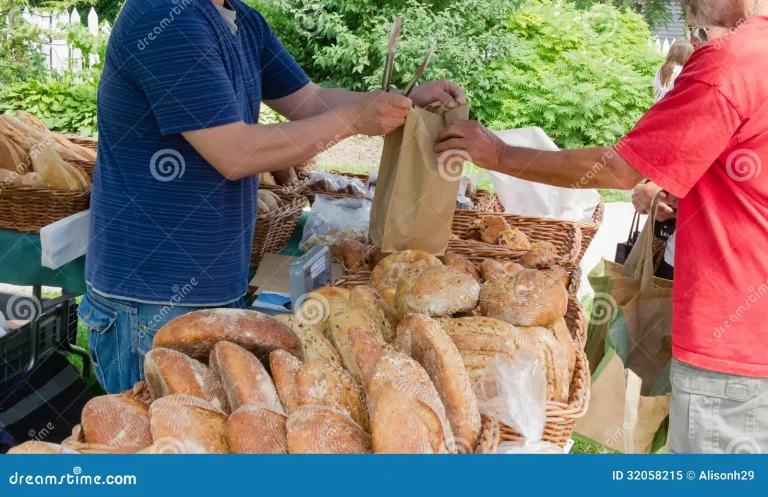
Mutually beneficial alliances with local food-related businesses can substantially expand your reach. By working with kitchenware stores, farmers’ markets, and food festivals, you can demonstrate expertise and attract new students. Social media influencers boost visibility since 61% of consumers trust their recommendations.
Email marketing builds lasting relationships with students. Students stay involved through regular newsletters with baking tips, class schedules, and special promotions. A loyalty program with discounts on advanced classes encourages students to continue their bread-making trips and helps build a lasting business model.
Running Successful Bread Baking Classes
Teaching bread-making requires excellent time management and organizational skills. A good instructor knows that running successful bread-making classes goes beyond just learning how to bake.
Time management will give a smooth class operation. Smart instructors use these strategies:
- Batch production for demonstration materials
- Pre-measured ingredients at each workstation
- Well-laid-out timeline for each class segment
- Extra time for questions and troubleshooting
Students learn significant techniques like stretching and folding better in an engaging environment. Each step needs a clear demonstration, and students get personal attention during practice sessions. Temperature control becomes a key teaching point because students should understand how it affects dough development throughout the bread-making course.
Clear communication makes classes successful. Students learn complex concepts better with clear instruction templates and open dialog. Instructor’s teaching methods improve when they collect feedback after each session. Sourdough baking classes work best when instructors prepare dough at different stages. This helps students see and understand the complete fermentation process.
Smart equipment setup keeps the class flowing smoothly. Students stay focused when their workstations have all the tools ready before class starts. This preparation gives more hands-on experience time that builds proper bread-making skills.
Conclusion
A bread-baking class business needs you to focus on several key areas. You must set up proper equipment and create effective marketing strategies. Students can become skilled at essential techniques and build confidence in their bread-making abilities in a well-laid-out learning environment. The growing market welcomes professional instructors who blend technical expertise with business knowledge to meet the increasing interest in artisanal bread-making education.
Your student’s success depends on your steadfast dedication to excellence. This includes detailed preparation, engaging teaching methods, and improvements based on feedback. Passionate bakers can boost their teaching experience by using premium ingredients. Those who want to provide authentic sourdough instruction can ask john@theyeastwecando.com about acquiring small-batch artisanal sourdough starters to add unique value to their classes. Thriving businesses emerge when dedicated instructors maintain high teaching standards and adapt to their student’s needs, benefiting the broader artisanal baking community.
FAQs
1. How do I organize a baking class?
To organize a baking class, start by identifying your niche in the baking world. Next, determine who your target audience will be. Choose an appropriate venue that suits the size and needs of your class. Develop a detailed curriculum that includes both theoretical and practical aspects of baking. Promote your classes effectively to attract students, and ensure you have all the necessary supplies and ingredients ready.
2. What are the initial steps to start a bread-making business?
Starting a bread-making business involves several key steps: Decide on the type of bakery you want to open and create a detailed business plan. Secure the necessary funding through loans or startup capital. Find and lease a commercial space suitable for a bakery. Acquire all required licenses and permits. Purchase the necessary bakery equipment, design the layout of your bakery, and hire and train staff.
3. How can I begin selling homemade bread?
First, perfect a bread recipe that yields consistent results to start selling homemade bread. Obtain any licenses and certifications required by your local or state regulations. Find a suitable venue to sell your bread, such as local markets or online platforms. Ensure your bread is packaged attractively and in a way that maintains its freshness.
4. What does a sourdough baking class involve?
A sourdough baking class typically covers the fundamentals of sourdough bread making. It includes a detailed explanation of the sourdough process, a practical session where participants make a loaf of bread, and a Q&A session to address any queries. Participants usually leave with their sourdough starter, a loaf of bread they made, and a set of instructions and recipes to use at home.