How to Meet Home Bakery Legal Requirements: A Step-by-Step Guide
A home bakery business needs more than just great recipes and baking skills. Legal requirements are vital to your success because operating without proper permits could lead to fines or business closure. Local health departments and regulatory agencies now watch home-based food businesses more closely due to their rising popularity.
This detailed guide helps readers set up a legally compliant home bakery. You’ll learn about cottage food laws, get necessary permits, create proper kitchen spaces, and follow safety protocols. Each section offers applicable information to help aspiring bakers build their business foundation while following legal guidelines.
Research Your Local Cottage Food Laws
Cottage food laws provide the legal framework to run a home bakery business. Local regulations vary substantially between states and counties, so aspiring bakers must understand their area’s requirements.
Understanding cottage food regulations
Cottage food laws allow you to prepare certain items in your home kitchen and sell them directly to consumers. You need to register your business and get specific permits before starting operations. Some states require food handler certifications, while others need annual kitchen inspections.
Essential regulatory requirements include:
- Annual gross sales limitations (ranging from $2,500 to $250,000)
- Food safety training certification
- Kitchen inspection requirements
- Product labeling guidelines
- Business registration and permits
Sales and venue limitations
Each jurisdiction has specific rules about where you can sell cottage food products. Direct-to-consumer sales usually get approval, but wholesale distribution comes with many restrictions. You can typically sell at these locations:
- Farmers’ markets and craft fairs
- Your home
- Special events and festivals
- Online platforms (within state boundaries)
- Customer doorsteps through direct delivery
State laws don’t allow cottage food sales through grocery stores and restaurants. You cannot sell these products across state lines. Some areas limit online sales and require you to deliver orders from digital platforms in person.
Product restrictions
Cottage food laws have strict regulations about product sales due to food safety concerns. Only non-potentially hazardous foods that don’t need temperature control can be sold safely.
Commonly allowed products include:
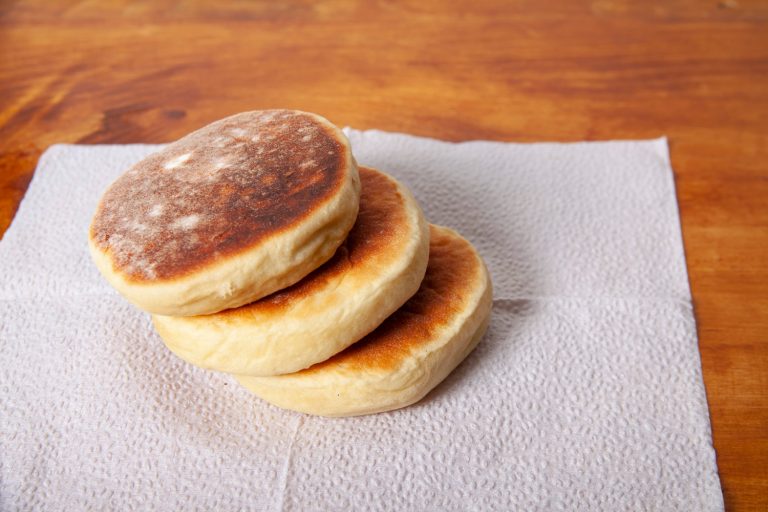
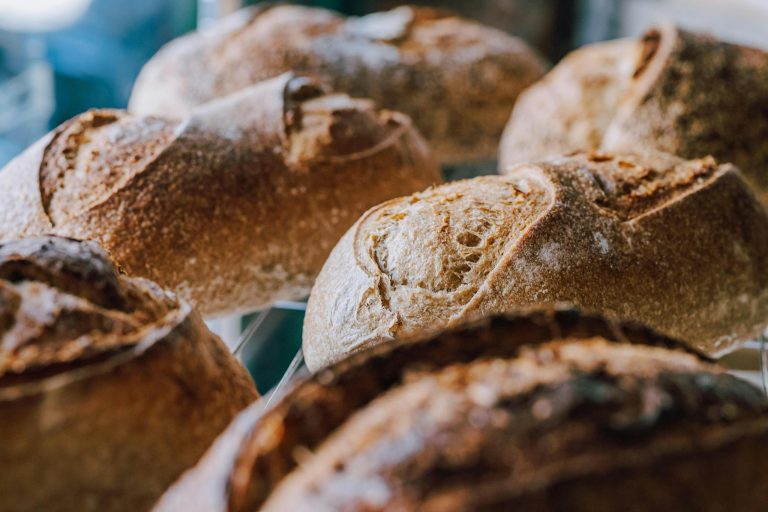
- Breads, rolls, and biscuits
- Cakes and pastries (without cream/custard fillings)
- Cookies and brownies
- Dry mixes and seasonings
- Jams and jellies
- Candies and confections
Prohibited items usually include products that need refrigeration, such as cream-filled pastries, custard-based desserts, or meat products. These restrictions aim to minimize foodborne illness risks and protect public safety.
Each state’s approach to food regulation differs. Some states have specific approved food lists, while others use broader categories based on food safety features. A product’s safety determination depends on its water activity levels and acidity, which affect bacterial growth potential.
Obtain Necessary Licenses and Certifications
Legal compliance is the lifeblood of a successful home bakery operation, which requires specific licenses, certifications, and inspections. Business owners who understand these requirements can ensure smooth operations and avoid potential legal risks.
Business licenses
Home bakery owners need several permits and licenses to operate legally. A standard business license costs $50 to $200, based on your location and business type. Business owners should:
- Register with state/local authorities
- Apply for a food establishment permit
- Get tax registrations
- Get zoning permits if required
- Complete annual renewals
Food handler certifications
Food safety certification is a vital requirement for home bakers. The ServSafe Food Manager’s Certification or equivalent food safety course teaches you:
- Foodborne illness prevention
- Safe food handling practices
- Proper storage techniques
- Cross-contamination prevention
- Emergency response procedures
Certification costs range from $5 to $30 and need periodic renewal. Many jurisdictions require all food preparation employees to obtain certifications.
Home kitchen inspections
Health department officials inspect home kitchens to verify compliance with safety standards. Different locations have varying inspection requirements. Some states require regular visits, while others need only original approval.
Key inspection focus areas:
- Cleanliness and sanitation protocols
- Equipment condition and maintenance
- Storage facilities and temperatures
- Pest control measures
- Bathroom facilities
- Proper ventilation systems
To pass inspections, home bakers should keep refrigeration units at or below 41°F and store containers at least six inches above the floor. Some jurisdictions require separate storage spaces for business and personal items.
The inspection process usually takes 2-4 weeks from start to finish. Environmental Health and Safety officers review kitchen and bathroom facilities that must meet safety standards
that are 5 years old. All but one of these jurisdictions need extra inspections for specific food production types or sales venues.
Depending on your state and operation size, health permit costs range between $50 and $1,000. These permits need yearly renewal and might include regular follow-up inspections to stay compliant.
Set Up Your Home Kitchen Properly
To become a professional baking space, a residential kitchen needs careful planning and proper organization. A properly designed home bakery kitchen must also meet legal requirements and optimize food safety operations.
Separate food prep areas
Professional home bakers need distinct zones for their commercial baking operations that help maintain sanitation standards and prevent cross-contamination between personal and business activities. Everything in creating dedicated prep areas includes:
- Designate specific countertop spaces for commercial baking
- Install separate storage units for business ingredients
- Create distinct washing stations for equipment
- Establish dedicated cooling areas
- Set up packaging zones away from preparation areas
Proper storage solutions
Smart storage management is the foundation of a successful home bakery operation. Temperature-sensitive ingredients need careful thought, and dry goods must be protected from moisture and contamination.
Essential storage requirements include:
- Airtight containers must sit at least 6 inches above the floor
- The business needs its refrigeration units
- Color-coded storage systems help manage allergens
- All ingredients need clear labels with expiration dates
- Equipment and packaging materials deserve their own spaces
Equipment and sanitation requirements
Professional cleanliness demands strict attention to sanitation protocols. Home bakers need detailed cleaning schedules and proper equipment maintenance procedures.
Essential equipment considerations:
- Food-grade surfaces that can withstand regular sanitization
- Proper ventilation systems to control temperature and humidity
- Adequate hand-washing facilities with hot and cold water
- Commercial-grade mixing and baking equipment
- Appropriate waste disposal systems
You should clean all food contact surfaces daily with food-safe sanitizers. A proper equipment inspection schedule will keep all tools in top condition. Your proofing cabinets need special care – clean them daily with warm water and mild soap to stop bacteria from growing.
Your hygiene station must have the following:
- Dedicated hand-washing sinks
- Sanitizer dispensers
- Hair restraints and clean garment storage
- First aid supplies
- Proper waste receptacles
A well-planned kitchen layout creates a smooth workflow and keeps different preparation stages separate. Work zones should prevent cross-contamination, with clear paths between preparation, baking, and packaging. Place your equipment in a space with enough cleaning and maintenance access.
Daily temperature checks and documentation are vital for refrigeration units. Food items should be sealed properly before storage to prevent spoilage and keep ingredients fresh. A “first-in, first-out” (FIFO) system helps rotate ingredients properly and reduces waste.
Your cleaning schedule should cover both daily tasks and weekly deep cleaning. Food-grade cleaners need proper contact time to disinfect surfaces effectively. Keep records of your cleaning procedures to maintain consistency and show compliance during inspections.
Implement Food Safety Practices
Food safety practices are the foundations of every legitimate home bakery business. Following these practices will give a business legal compliance and protect customer health and the baker’s reputation.
Proper ingredient storage
Good ingredient management starts with the proper storage methods. Home bakers need a transparent system that keeps ingredients fresh and safe from contamination.
The core team storage steps include the following:
- Store dry ingredients in airtight, food-grade containers
- Maintain refrigerated items at or below 41°F
- Position all storage containers at least 6 inches off the floor
- Implement FIFO (First In, First Out) rotation system
- Monitor humidity levels in storage areas
Perishable ingredients need careful temperature monitoring. Bakers should keep detailed temperature logs and fix any issues quickly when temperatures rise above safe levels. Storage areas must stay clean, dry, and free from pest activity.
Preventing cross-contamination
Safety protocols and attention to detail protect against cross-contamination. Proper hand hygiene stands as your first defense barrier. You must wash your hands thoroughly before handling ingredients and between different tasks.
Allergen management plays a significant role in preventing cross-contamination. Bakers need dedicated preparation areas and equipment to make allergen-free products. Color-coded tools and storage containers help separate different types of ingredients.
Equipment and surface sanitization requires:
- Regular cleaning with food-grade sanitizers
- Proper contact time for disinfection
- Complete drying before use
- Documentation of cleaning procedures
Labeling and packaging guidelines
Labels must be accurate to give consumers critical information and meet legal requirements for home bakery operations. Product labels must have:
- Business name and contact information
- A complete ingredient list by weight
- Net weight or volume
- Common allergen warnings
- Production date and best-by date
- A note that shows home production
Your packaging materials need to be food-grade and suitable for each product type. Proper sealing keeps products fresh and free from contamination. You should store all packaging materials in clean, dry spaces where contaminants can’t reach them.
Products sensitive to temperature need special packaging to stay safe during delivery. Delivery protocols should track temperature and use proper insulation for items that require refrigeration.
Good documentation helps you maintain food safety standards. Your records must track the following:
- Temperature monitoring logs
- Cleaning schedules and procedures
- Ingredient sources
- Product batch codes
- Customer complaints and solutions
Safety audits will catch problems early. These self-checks should cover everything from receiving ingredients to delivering final products. Once problems show up, you must document and fix corrective actions quickly.
Everyone involved in food prep needs proper training. Workers must know how to wash their hands correctly, follow cleaning steps, and prevent cross-contamination. Regular refresher courses help maintain high safety standards and product quality.
A complete allergen control program will protect sensitive customers. You need detailed ingredient lists, separate storage areas, and thorough cleaning between production runs. Special attention must be paid to common allergens like nuts, dairy, and wheat.
Conclusion
Starting a legal home bakery requires attention to several rules and safety guidelines. Bakers need to understand cottage food laws and get the proper licenses. Your kitchen space must meet health department standards. These basics, strict food safety practices, and adequate records help create a legitimate home-based food business that keeps customers and owners safe.
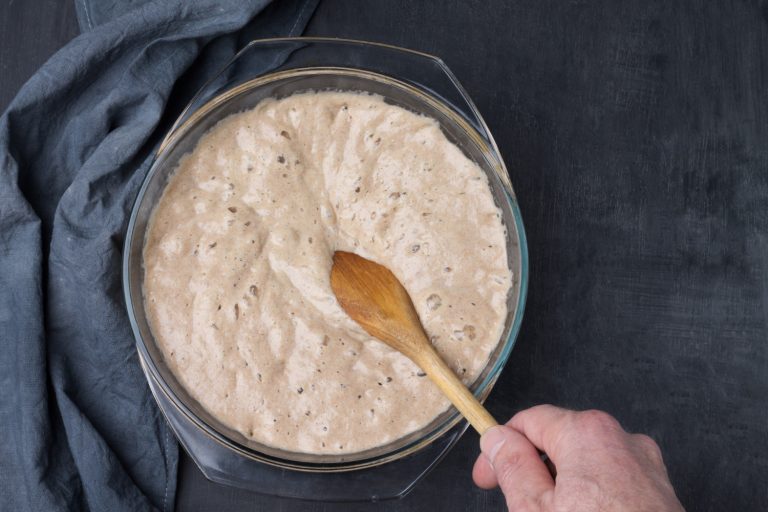
A home bakery’s success comes from following proper guidelines while using quality products and ingredients. Quality starts with great ingredients. Bakers who want to improve their bread and pizza can try premium products like The Yeast We Can Do’s authentic artisanal sourdough starter (email john@theyeastwecando.com for details). Safety checks, sound records, and proper training help you stay compliant and build trust in your local food community.
FAQs
Can I operate a bakery from my home?
Yes, you can operate a bakery from your home in California by obtaining a Cottage Food Operations (CFO) permit from the county health department where your kitchen is located. This permit is necessary for any scale of operation.
Is it necessary to have a license to sell homemade food in North Carolina?
Yes, in North Carolina, a license is required to sell baked goods from home. There are no exemptions for any food operations from obtaining the necessary permits.
What types of food can I sell from home in North Carolina without a permit?
You can sell certain types of food in North Carolina without a permit. These include non-refrigerated baked goods, jams, jellies, preserves, candies, dried mixes/spices, some beverages (like iced tea, coffee, lemonade), and some sauces (such as balsamic dressing), as well as acid and acidified foods like pickles and barbecue sauce.
Is it legal to run a home bakery in Texas?
Yes, you can legally run a bakery from your home in Texas. You can sell items such as breads, biscuits, muffins, cakes, pastries, cookies, and fruit pies.
What are the implications of selling food from home without a cottage food license?
Selling food from home without a cottage food license can be risky both for the seller and the buyer. Sellers without licenses may face shutdowns or liability issues as they operate without the necessary approvals and insurance. In most U.S. states, obtaining a cottage food license involves home inspections, modifying recipes for longer shelf life at room temperature, and taking food safety courses. The cost for a permit is relatively low, ranging from $50 to $150 per year, which is more affordable compared t