Best Stand Mixer for Sourdough: Top Picks for Home Bakers
You just need the right equipment to make sourdough bread; the best stand mixer can make the most crucial difference in your final results. Professional and home bakers use powerful stand mixers that handle sourdough dough’s dense, sticky nature and ensure proper gluten development. The right mixer will save you time and energy while it produces consistent, well-kneaded dough every time.
We’ll get into top-rated models from trusted brands like KitchenAid, Ankarsrum, and Wolf Gourmet to help you make an informed decision. You’ll learn everything about motor power, bowl capacity, and dough hook design that affects mixing performance. This piece also covers proper kneading techniques and speed settings for sourdough bread making, ensuring optimal results with your chosen mixer.
Top Stand Mixers for Sourdough Bread
Dedicated sourdough enthusiasts need a reliable stand mixer to enhance their bread-making journey. Let’s explore three outstanding models that effectively handle dense sourdough dough.
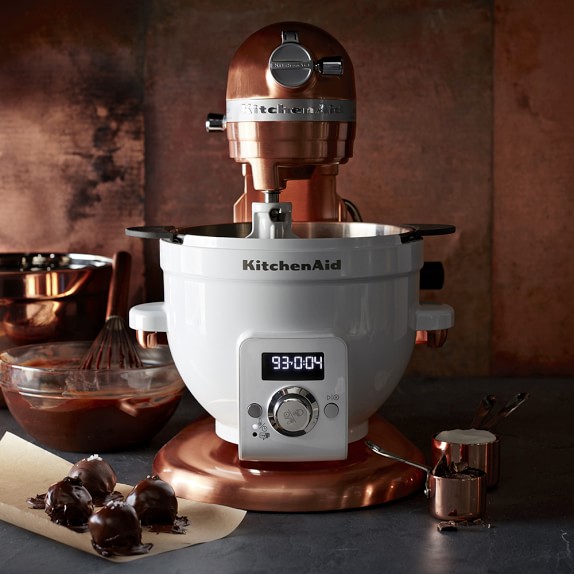
[Image: KitchenAid 7-Quart Bowl-Lift Stand Mixer]
KitchenAid 7-Quart Bowl-Lift Stand Mixer
This KitchenAid 7-Quart Bowl-Lift provides twice the mixing power compared to standard tilt-head models and excels at heavy sourdough doughs. The professional bowl-lift design has a reliable 3-point locking system that keeps the mixer stable during intense kneading. Bakers can fine-tune their mixing with 11 speeds, including a specialized 1/2 speed that gently blends ingredients. The mixer handles up to 8.5 pounds of bread dough, making it an excellent choice for batch baking. The mixer’s Soft Start® technology prevents ingredients from splashing and flour from puffing during the first mix.
[Image: Ankarsrum Original Kitchen Machine]
Ankarsrum Original Kitchen Machine
Swedish engineering excellence shines through the Ankarsrum Original’s unique design, which takes inspiration from professional spiral mixers. The machine’s distinctive base-mounted motor delivers remarkable stability and prevents wobbling while kneading tough dough. Two specialized bread attachments enhance the mixer’s versatility: an elongated wire hook and an innovative tubular dough roller that mimics hand-kneading movements. The gentle kneading action helps develop gluten structure without tearing, which creates perfectly aerated bread. The mixer’s bowl cover adds practicality by letting it doughproof in the mixing bowl.
[Image: Wolf Gourmet High-Performance Stand Mixer]
Wolf Gourmet High-Performance Stand Mixer
The Wolf Gourmet mixer delivers professional-grade performance with intelligent design features. Its 7-quart capacity easily handles triple batches of pizza dough, which makes it perfect for serious bakers. You can control speeds precisely with the signature red knob, and the pulse feature lets you mix ingredients without making a mess. Whether you’re making large batches of bread or small recipes, this mixer performs consistently well. The bowl-lift design gives you stable support, which you need when working with heavy sourdough dough.
| Feature | KitchenAid 7-Qt | Ankarsrum | Wolf Gourmet |
|---|---|---|---|
| Bowl Capacity | 7 quarts | 7 liters | 7 quarts |
| Max Dough Capacity | 8.5 lbs | 5 loaves | 6+ lbs |
| Speed Settings | 11 + 1/2 speed | Variable | Infinite + Pulse |
| Warranty | 1 year | 7 years | Professional-grade |
These mixers each shine in sourdough bread making. KitchenAid stands out for reliability, Ankarsrum features innovative kneading, and Wolf Gourmet delivers professional performance. Your choice depends on how much you bake, how often you use it, and your typical batch size.
Key Features to Look for in a Sourdough Mixer
The right technical specifications will make a worthwhile investment as you choose a stand mixer for making sourdough bread. Professional bakers highlight several features of the core team that determine how well a mixer handles dense, high-hydration doughs.
Motor Power and Stability
A stand mixer’s core functionality depends on its motor power and stability. The wattage ratings vary from 300W to 700W, but these numbers don’t paint the full picture. The motor’s design and its power conversion to kneading action matter more. Professional-grade mixers come with several key features:
- Belt-driven systems that deliver smoother operation and better torque
- Cooling mechanisms that stop overheating during long mixing sessions
- Reliable base construction that reduces movement while operating
Proper dough development requires the mixer to remain stable. Bowl-lift models typically provide better stability than tilt-head designs when working with heavy sourdough doughs.
[Image: Stand mixer showing bowl-lift mechanism]
Bowl Capacity and Design
Your choice of bowl capacity should match your batch size needs. Most home bakers find a 6-quart bowl hits the sweet spot because it works well for single and double-loaf recipes. These design elements matter most:
| Bowl Type | Advantages | Best For |
|---|---|---|
| Stainless Steel | Temperature stable, durable | Professional use |
| Glass | Visual monitoring | Small batches |
| Plastic | Lightweight | Casual baking |
The bowl’s shape makes a big difference in how well it mixes. Bowls with wider, rounded bottoms help move the dough and keep flour from getting stuck in corners.
Dough Hook and Kneading Action
Your dough hook’s design plays a crucial role in gluten development. Bakers can choose between two main styles:
C-shaped hooks create gluten by pushing dough against the bowl’s sides and work best with medium-hydration dough. Spiral hooks are perfect for higher-hydration sourdough because they deliver superior bottom-up mixing action. Professional bakeries usually keep both attachments ready to handle different recipes.
[Image: Comparison of C-shaped and spiral dough hooks]
Speed Settings and Controls
Speed control is a vital part of sourdough development. Professional bakers recommend these settings:
- Initial mixing: Speed 1 helps combine ingredients
- Dough development: Speed 2 works best for sustained kneading
- Final stages: Quick bursts at Speed 2-3 help test gluten formation
Modern mixers come with electronic speed controls that maintain steady power output regardless of the dough resistance. The best models include these features:
- Soft-start function stops ingredients from splashing
- Electronic speed sensors deliver consistent power
- Overload protection keeps the motor safe
Professional mixers offer seamless speed variations between settings. Bakers can adjust the mixing process based on the dough’s hydration and development stage. This precise control, combined with the right bowl capacity and motor power, will give perfect gluten development without damaging the dough.
[Image: Control panel of a professional stand mixer]
Using Your Stand Mixer for Sourdough
To become skilled at making sourdough bread, a stand mixer requires different techniques than traditional hand-kneading. Professional bakers have developed the quickest ways to enhance modern stand mixers’ capabilities while maintaining the artisanal quality of sourdough bread.
[Image: Stand mixer with dough hook in action]
Proper Kneading Technique
Successful mechanical kneading depends on how well you incorporate ingredients and monitor your dough. Mix all ingredients in the bowl at the lowest speed until they create a shaggy dough. The original phase needs about 2-3 minutes.
Professional bakers recommend this mixing sequence:
- Mix ingredients at Speed 1 (30-60 seconds)
- Clean bowl sides with a dough scraper
- Switch to Speed 2 to start main kneading
- Check dough consistency regularly
Important: A stand mixer kneads dough five times faster than hand kneading – two minutes in the mixer equals 10-12 minutes by hand. This makes dough development monitoring vital.
Recommended Speed and Time
Professional bakers know that choosing the right mixer speed is crucial in sourdough development. Stand mixers deliver optimal results within these specific parameters:
| Mixing Stage | Speed Setting | Duration | Purpose |
|---|---|---|---|
| Original Mix | Speed 1 | 2-3 minutes | Ingredient incorporation |
| Development | Speed 2 | 4-6 minutes | Gluten formation |
| Final Stage | Speed 2-3 | 1-2 minutes | Texture refinement |
A mixing cycle usually takes 8-10 minutes, but this can change based on your dough’s hydration and flour type. Doughs with higher hydration need less mixing time to avoid overworking.
[Image: Close-up of properly developed sourdough in mixer]
Signs of Proper Gluten Development
Skilled bakers can spot several clear signs that show their dough has developed correctly:
- The dough pulls away and cleans the bowl’s sides during mixing
- A smooth and elastic texture forms around the dough hook
- You’ll hear the dough making slapping sounds against the bowl
- The dough stretches into a see-through window without tearing
The windowpane test remains the quickest way to check gluten development. This simple test requires you to stop the mixer and pull out a small piece of dough. A well-developed dough stretches easily between your fingers, creating a thin, see-through membrane that holds it together.
Tips for Incorporating Mix-ins
Mix-ins like nuts, dried fruits, or cheese need the timing to keep your dough structure intact. Professional bakers share these tips:
Timing: You should add mix-ins during the final minute of kneading. This prevents them from breaking down and helps maintain proper gluten development.
Temperature Control: The dough temperature must not rise substantially when you work with temperature-sensitive ingredients like cheese or chocolate. Most stand mixers keep stable temperatures during operation. The KitchenAid 7-Quart and Ankarsrum Original are great examples of this.
Here’s how to add mix-ins successfully:
- Set your mixer to its lowest speed
- Add ingredients gradually as the machine runs
- Mix just until you see even distribution (30-45 seconds usually)
- Check your dough’s temperature before adding heat-sensitive items
[Image: Stand mixer incorporating mix-ins into sourdough]
Professional bakers use a “staged mixing” technique that works well with delicate ingredients:
- First, develop your primary dough
- Let it rest for 5-10 minutes
- Add mix-ins at low speed
- Finish with gentle hand folding if needed
Temperature control becomes vital during long mixing periods. The Wolf Gourmet and Ankarsrum models help maintain a steady dough temperature. If your dough’s temperature goes above 78°F (26°C), it needs a cool-down period.
High-hydration sourdoughs (above 75%) need special attention. Experienced bakers suggest you:
- Use the paddle attachment first
- Switch to a dough hook once you see shaggy dough
- Keep mixing times shorter
- Do one or two stretch-and-fold sequences during bulk fermentation
Your mixer’s bowl design plays a vital role in proper mixing. Bowl-lift models develop dough better because of their mixing angle and stable operation. Professional-grade bowls with wide bottoms mix ingredients thoroughly and need less manual help.
[Image: Properly developed sourdough showing windowpane test]
Conclusion
Stand mixers are crucial equipment for making successful sourdough bread. Each model gives homebakers unique advantages. Combining motor power, bowl capacity, and specialized attachments helps achieve proper gluten development and protects dough integrity. Bakers can make consistent, well-developed sourdough because these machines provide stability during operation and precise speed control.
Dedicated bread makers find stand mixers a smart investment that reduces physical effort while keeping artisanal quality. Professional bakers get great results by using proper technique, choosing the right speed, and watching dough development carefully. The Yeast We Can Do offers an authentic artisanal sourdough starter to raise your bread and pizza game. Passionate home bakers and restaurant owners can email john@theyeastwecando.com to get this premium starter with its distinctive sourdough character. A quality stand mixer with proper technique and ingredients builds the foundation to make exceptional sourdough bread at home.
FAQs
Can a stand mixer be used to make sourdough bread?
A stand mixer can significantly reduce the time and effort needed to knead sourdough bread. While hand kneading might take around 8–10 minutes per loaf, a stand mixer equipped with a dough hook can accomplish the task in about 3–7 minutes. Alternatively, a food processor can knead dough in 50–60 seconds.
Which KitchenAid mixer model is most suitable for bread dough?
A KitchenAid mixer with a bowl-lift design is highly recommended for handling dense bread doughs, such as those used for multi-grain bread. It’s important to select a mixer that matches the volume and type of bread you intend to bake. Additionally, consider getting a bread bowl with a lid to aid doughproofing and rising.
What is the ideal stand mixer attachment for kneading bread dough?
The dough hook attachment is the best option for bread recipes that require kneading. A pastry or flat beater is advisable for quickbreads like banana bread, which need thorough mixing but not kneading.
Is KitchenAid capable of handling the kneading of bread dough?
Yes, KitchenAid stand mixers are well-equipped to handle bread dough, including those for bread, pasta, or pizza, using t