10 Best Sourdough Scoring Tools for Perfect Bread Art
A quality scoring tool can turn simple sourdough bread into beautiful works of art. Both professional bakers and home enthusiasts agree that the best sourdough scoring tools make the most important difference in their loaves’ look and performance. These tools create precise cuts that give proper oven springs and develop stunning patterns as the bread bakes.
Bakers need to understand their options to pick the perfect scoring tool. The choices range from traditional bread lames to modern options like X-acto knives and surgical scissors. This piece gets into the top-scoring tools you can find today. You’ll learn about scoring techniques and find the right equipment for your skill level. The guide shows how each tool shapes different patterns and teaches proper cutting methods to help you create your signature sourdough designs.
Top 5 Sourdough Scoring Tools
Skilled bakers know that becoming skilled at sourdough scoring starts with the right tools. Different implements help create distinctive bread designs and ensure proper oven springs.
Bread Lames
[Image: Professional Bread Lame]
A bread lame (pronounced “Lahm”) is a baker’s essential scoring tool. Modern lames come with adjustable curved or straight blades that give you precise control over scoring depth and angle. Professional bakers rate the UFO lame 38/40 because of its safety features and scoring capability. Its design lets you hide the blade when not used, making it perfect for newcomers and experts.
Razor Blades
[Image: Scoring Razor Blade]
Standalone razor blades provide exceptional precision to create intricate designs and shallow cuts. Bakers use them to create detailed wheat patterns and delicate leaf designs. The blade’s thin profile creates curved scoring patterns with clean cuts. These blades need careful handling and replacement after scoring about 10 loaves.
Scissors
[Image: Bread Scoring Scissors]
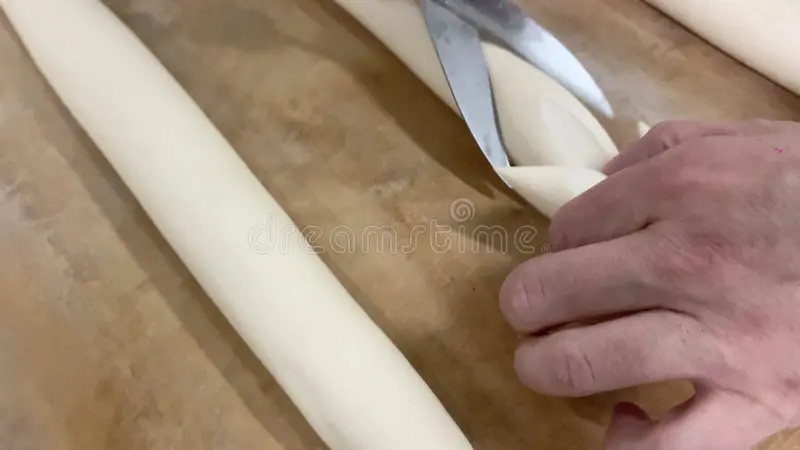
Surgical scissors have become an innovative scoring solution with textured designs. They excel at:
- Making precise corner cuts
- Creating unique patterns through snipping techniques
- Achieving controlled depth in decorative scoring
X-acto Knives
[Image: X-acto Knife for Bread Scoring]
X-acto knives are versatile scoring tools for straight, deep cuts and Aztec-inspired designs. The sharp point lets you sketch designs without piercing the dough’s surface, and the rigid blade keeps cutting depth consistent. This tool creates dramatic separation during baking.
Bench Scrapers
[Image: Professional Bench Scraper]
Bench scrapers have evolved beyond dough division and shaping into versatile scoring tools. Their rigid edge makes clean cuts for simple scoring patterns, and their broad surface helps maintain dough tension during shaping. Bakers value them for the following:
| Function | Benefit |
|---|---|
| Dough Division | Clean, precise cuts |
| Surface Cleaning | Efficient workspace management |
| Tension Building | Better final bread structure |
Your choice of tool depends on the complexity of the design and your experience level. Each implementation requires specific techniques and has advantages over different scoring patterns.
Mastering Sourdough Scoring Techniques
Professional bakers have refined sourdough bread scoring techniques over generations. Perfect sourdough bread needs you to become skilled at scoring and understand fundamental techniques. The right tools play a crucial role, too.
Simple Scoring Patterns
[Image: Simple Sourdough Scoring Patterns]
You can become skilled at sourdough scoring with everything in these patterns that help achieve proper oven springs. Professional bakers suggest these patterns to start:
- Single slash (classical batard cut)
- Simple cross pattern
- Square score (windowpane)
- Simple wheat stalk design
Advanced Artistic Designs
[Image: Advanced Sourdough Art Patterns]
After mastering simple patterns, bakers can explore intricate sourdough bread art. Advanced designs require multiple scoring depths and precise blade control. The bread’s most striking patterns emerge through deep structural scores and shallow decorative cuts. Professional bakers create stunning leaf patterns, geometric designs, and nature-inspired motifs that transform beautifully during baking.
Proper Scoring Depth and Angle
[Image: Scoring Angle Demonstration]
Bread-scoring patterns achieve excellence through precise depth and angle control. Expert bakers rely on these proven measurements:
| Score Type | Depth | Angle | Purpose |
|---|---|---|---|
| Primary Cut | 1/4 – 1/2 inch | 90° | Expansion |
| Decorative | Surface only | 45° | Esthetics |
| Ear Creation | 1/4 inch | 30-40° | Lift |
Creating Ears and Oven Spring
[Image: Perfect Sourdough Ear]
A perfect sourdough ear comes from mastering both technique and timing. The cold-proofed dough at four °C gives you the best surface to score. Bakers can achieve unique oven springs when they:
- Score just before baking
- Create enough surface tension during shaping
- Keep proper dough hydration
- Add steam during the first phase of baking
Your dough’s journey from scoring to finished loaf relies on fermentation. Oven spring shows its magic best in properly fermented dough that hasn’t gone too far. Expert bakers suggest finishing the final proof in your refrigerator. This step enhances the flavor and sets up perfect conditions to score cleanly.
Choosing the Right Scoring Tool for Your Needs
Bakers need to think about several key factors when choosing the perfect sourdough scoring tool to ensure both performance and safety. These factors are the foundations of making smart choices that match your experience level and requirements.
Factors to think over
[Image: Various Scoring Tools Display]
The quality of your scoring tools affects how your bread looks. Expert bakers ask you to look at the following:
- How sharp the blade is and when to replace it
- What the handle’s made of, and how it feels
- Safety features that protect you
- How much care it needs
- What you get for your money
A good scoring tool should have blade covers and easy-to-follow setup guides. The pricier ones often come with extra blades and special storage cases, but beginners don’t need these features.
Choosing the Right Scoring Tool
[Image: Scoring Tool Comparison]
Different scoring tools excel at specific tasks and situations. Here’s what you need to know:
| Tool Type | Advantages | Limitations |
|---|---|---|
| Bread Lame | Professional results, replaceable blades | It costs more takes time to master |
| X-Acto Knife | Precise control works for many tasks | Needs careful handling |
| Razor Blade | Perfect for detailed work | Safety risks, harder to control |
| Scissors | Creates unique textures, safe to use | Fewer pattern choices |
| Bench Scraper | Serves multiple purposes, durable | Not ideal for detailed work |
Recommendations for beginners vs. experts
[Image: Beginner and Advanced Scoring Tools]
Safety and ease of use should be your top priorities when choosing your first sourdough scoring tool. The Wire Monkey UFO is an excellent starter choice, combining safety features with professional-quality results. Specialized scissors are a safer option if you’re uncomfortable with razor blades, and they still let you create beautiful scoring patterns.
Advanced bakers will benefit from building a collection of specialized tools. The Wire Monkey Poco gives you better control for detailed sourdough designs and the Arc lame works best for curved scoring patterns. Most experienced bakers have:
- A primary lame for standard scoring
- Specialized tools for artistic designs
- Maintenance accessories
- Multiple blade types for different patterns
A turntable or lazy Susan will help you score better by improving your angle control and cutting precision. Your scores will stay clean with fresh blades – most bakers switch them after 10-15 loaves or when the blade starts to drag.
[Image: Scoring Tool Maintenance Kit]
Professional bakers know the value of good tool maintenance. A cleaning kit helps your scoring tools last longer and perform consistently. This becomes a worthwhile investment as you progress to complex sourdough bread art and detailed scoring patterns.
Conclusion
You just need proper tools and refined techniques to become skilled at making sourdough bread. Our complete study of scoring implements shows how professional bakers consistently create stunning results. They match their tools to specific design requirements and keep their equipment sharp and well-maintained. The Yeast We Can Do offers an authentic artisanal sourdough starter with exceptional flavor and perfect crust development. You can email john@theyeastwecando.com to improve your bread-making experience with their premium starter.
Sourdough scoring becomes a soaring win when you select tools that match your current skill level and allow room for growth. You might want to start with safer options like the UFO lame or specialized scissors as a beginner. Your toolkit can expand as your expertise develops. Quality implements and regular practice will open endless possibilities to create unique, eye-catching designs that revolutionize ordinary loaves into memorable works of bread art.
FAQs
What is the most effective tool for scoring sourdough bread?
A bread lame is highly recommended for adding artistic designs to your sourdough. This tool consists of a razor blade securely housed in a wooden handle and is commonly used by bakers for scoring sourdough loaves.
Which knife is ideal for scoring sourdough bread?
An X-acto knife is an excellent choice for scoring sourdough bread. It is particularly useful for making straight, deep cuts that help achieve significant separation during baking.
What should I use to score sourdough?
A lame or razor blade is suitable for scoring sourdough. Aim to make artistic scores about 1/4 inch deep using various patterns and shapes. Always include at least one expansion score. After scoring, place the dough in a preheated Dutch oven with a lid and bake as per your recipe instructions.
How is bread art scored?
To create bread art by scoring, use a sharp tool like a lame or razor to etch designs into the dough’s surface before baking. This enhances the bread’s appearance and helps control how the bread expands during the baking process.