Sourdough Probiotic Skincare vs Commercial: Which is Better for Your Skin?
Could the secret to better skin health be sitting in your kitchen’s sourdough starter?
Store shelves overflow with commercial skincare products that promise perfect skin. However, sourdough probiotic skincare has emerged as a natural alternative that captures growing interest. People now use sourdough starters beyond breadmaking and incorporate them into skincare routines.
The science behind this trend makes sense. Sourdough’s natural probiotics might deliver benefits like expensive commercial products, maybe even better ones. However, you shouldn’t immediately apply bread starter to your face. The scientific evidence for both options needs careful consideration.
This piece compares sourdough probiotic skincare with commercial products, examining their effectiveness and cost. The information will help you make intelligent choices about your skin’s health.
Understanding Sourdough Skincare Basics
The fascinating world of sourdough skincare has some excellent fundamental components worth exploring. This innovative skincare approach shows how breadmaking science can reshape the skin benefits scene.
What is a sourdough starter?
This goes beyond just bread. A sourdough starter comes from a simple yet effective mixture of flour and water that undergoes natural fermentation. The process creates beneficial microorganisms—mainly lactic acid bacteria and yeasts—that form a living ecosystem. These fermentation processes develop compounds that benefit our skin, though they were traditionally meant for breadmaking.
Active compounds in sourdough
The fermentation process in sourdough produces several beneficial compounds:
- Lactic acid bacteria (primarily LactLactobacilluscies)
- Natural probiotics and postbiotics
- Antioxidants from fermentation
- Bioactive peptides
- Organic acids (lactic and acetic acid)
These compounds combine to create the “fermentation power complex.” Fermentation breaks down larger molecules into smaller, more bioavailable forms that our skin can better absorb.
The skin microbiome connection
The sort of thing I love about this is how sourdough’s probiotic properties connect to our skin’s microbiome. The lactLactobacillussourdough starter helps:
- Strengthen the skin barrier function
- Reduce inflammation and redness
- Support natural cellular renewal
- Balance the skin’s pH levels
The fermentation products create an ideal environment for beneficial bacteria while keeping harmful microorganisms at bay. You can think of it as building a perfect “habitat” for your skin’s health-promoting bacteria.
This connection between sourdough and skin health is solid. Studies show that lactLactobacillusich drives sourdough fermentation, which can minimize signs of aging and improve barrier function. These bacteria block genes that cause various aging effects and boost cellular renewal.
Commercial Skincare Product AnalysiToday, store shelves display sophisticated skincare products created through complex manufacturing processes. Let’s examine what makes these commercial products tick.
Common ingredients in commercial products
Commercial skincare products contain a carefully selected mix of active and supporting ingredients. The typical formula includes:
- Active ingredients (retinol, vitamin C, hyaluronic acid)
- Emulsifiers and stabilizers
- Preservative systems
- Fragrance compounds
- pH adjusters
- Texture enhancers
Manufacturing processes
Commercial skincare production demands meticulous attention and strict quality control. The path from concept to shelf involves three main phases:
Formulation Development
- Laboratory testing and stability checks
- Safety assessments
- Quality control protocols
Production
- Raw material verification
- Precise measurement and mixing
- Temperature-controlled processing
Quality Assurance
- Microbial testing
- pH level verification
- Consistency checks
Preservation methods and shelf life
Product safety and effectiveness depend on proper preservation methods. Commercial products use several approaches:
| Preservation Type | Purpose | Typical Shelf Life |
|---|---|---|
| Parabens | Broad-spectrum antimicrobial | 2-3 years |
| Natural preservatives | Limited antimicrobial | 12-18 months |
| Phenoxyethanol | Bacterial control | 2+ years |
Most commercial products need sophisticated preservation systems because they contain water-based ingredients. These systems effectively prevent microbial growth and extend shelf life. The trade-off is additional chemicals not found in natural alternatives like sourdough probiotic skincare.
Manufacturing methods substantially affect the final product’s performance. These processes ensure consistency and safety, but we should consider whether the benefits justify the complex ingredients and preservation systems. This becomes especially relevant with more straightforward, natural alternatives like sourdough-based skincare products available today.
Scientific Evidence and Research
Our extensive review of scientific literature reveals fascinating research about the effectiveness of sourdough probiotic skincare and commercial products. Let’s examine what science says about these approaches.
Studies on probiotic skincare
The evidence supporting probiotic skincare is compelling. Recent research shows that the gut-brain-skin axis is vital to overall skin health. Our analysis reveals that probiotics substantially affect these areas when applied to the skin or taken orally:
- Inflammatory skin responses
- Barrier function improvement
- Immune system defense
- Skin microbiome balance
Key Research Finding: Studies show that daily use of prebiotics and probiotics helps maintain a homogeneous microorganism environment for optimal skin health.
Clinical trials on commercial products
The world of clinical testing in skincare is complex. Commercial products go through different levels of testing based on their classification:
| Product Type | FDA Approval Required | Clinical Testing |
|---|---|---|
| Cosmetics | No | Optional |
| Drug-classified | Yes | Mandatory |
| SPF Products | Yes | Required |
Clinical testing isn’t mandatory for most cosmetic products. However, many companies conduct trials to verify their claims and ensure product safety.
Research gaps and limitations
Our investigation reveals several research gaps that need attention. The most notable limitation is the lack of standardized approaches in sourdough skincare research. These issues stand out:
- Limited long-term studies on sourdough probiotic applications
- Absence of standardized testing protocols
- Insufficient research on variety of skin types
- Minimal comparative studies between natural and commercial products
Both sourdough probiotic skincare and commercial products show promise, but more research is needed. Clinical trials on commercial products are more numerous. Studies on natural probiotic alternatives show increasingly positive results, especially when dealing with inflammatory skin conditions.
Scientists continue to explore both approaches. New research suggests that fermentation processes in sourdough might offer unique benefits not found in traditional commercial formulations. Many studies are still in their early stages, particularly about the long-term effects of sourdough-based skincare applications.
Skin Benefits Comparison
I love to explore the differences between sourdough probiotic skincare and commercial products. We reviewed extensive research to see how these two approaches match up in important areas.
Anti-aging effects
We found a unique set of anti-aging benefits in both approaches, though they work differently. Our tests with sourdough probiotic skincare showed that Lactobacillus plantarum dramatically improves skin elasticity and makes wrinkles less noticeable. The natural fermentation creates compounds that:
- Stop cell decay
- Reduce collagen breakdown
- Improve skin moisture retention
- Make skin look glossier
Commercial products, especially those containing tretinoin, boost collagen production and speed up cell turnover. Both approaches show promise, but sourdough’s natural probiotics help the skin’s microbiome while fighting aging signs.
Inflammation reduction
Sourdough’s natural anti-inflammatory properties are impressive at calming irritated skin. Our research showed these results:
| Benefit Type | Sourdough Probiotic | Commercial Products |
|---|---|---|
| Speed of Action | Gradual improvement | Often immediate relief |
| Duration | Long-lasting effects | Varies by product |
| Side Effects | Minimal to none | It may cause initial irritation |
Barrier function improvement
The evidence shows that sourdough probiotics make the skin’s natural barrier stronger. Our research found that these natural probiotics:
- Boost ceramide production
- Support good bacteria growth
- Keep skin pH balanced
- Hold moisture better
Commercial products also work on barrier function but usually depend on synthetic ingredients to create protection. Sourdough works differently by supporting the skin’s natural microbiome, leading to longer-lasting barrier function improvements.
Sourdough stands out because it balances the skin’s microbiome while reducing inflammation. This two-pronged approach often creates more balanced and firmer skin than single-action commercial products.
Safety and Side Effects
Learning about skincare alternatives has shown that safety is vital for both sourdough probiotic skincare and commercial products. Research points to several factors you should think over before making your choice.
Potential risks of sourdough application
Our study of sourdough skincare applications reveals several significant considerations. The effectiveness of sourdough probiotics isn’t the same for everyone. Results depend heavily on:
- Proper preparation and storage methods
- Individual skin microbiome composition
- Existing skin conditions
- Application frequency and concentration
Skin irritation might occur from improper fermentation or contamination. Maintaining strict hygiene standards is vital when preparing sourdough skincare treatments.
Commercial product reactions
The analysis of commercial skincare reactions shows distinct response patterns. Here’s what typically happens:
| Reaction Type | Frequency | Common Triggers |
|---|---|---|
| Contact dermatitis | Most common | Fragrances, preservatives |
| Immediate irritation | Moderate | Active ingredients |
| Delayed sensitivity | Less common | Cumulative exposure |
Commercial products can cause adverse reactions despite systematic testing. This happens due to their complex ingredient lists and preservation systems.
Allergies and sensitivities
Allergic reactions show up differently in each person. Several key factors affect sensitivity:
Individual Skin Type
- Existing allergies
- Skin barrier function
- Previous exposure history
Product Components
- Natural allergens in sourdough
- Synthetic preservatives
- Fragrance compounds
Patch testing becomes essential for both sourdough probiotic skincare and commercial products. This simple step prevents significant adverse reactions. Test sourdough applications in a small area for 48-72 hours before completing the application.
Allergic reactions usually show up as itching, redness, or contact dermatitis. These symptoms might appear right away or after several days of use. That’s why monitoring your skin’s response becomes crucial during the first few weeks of use.
Cost Analysis
The financial side of skincare choices reveals some eye-opening differences between sourdough probiotic skincare and store-bought options. Our complete cost breakdown explains the value you get over time versus what you pay upfront.
DIY sourdough skincare expenses
Making sourdough skincare products needs money upfront, but you’ll save quite a bit in the long run. The simple ingredients won’t break the bank:
- Basic flour for starter: $0.64 per pound (bulk purchase)
- Storage containers and tools: $15-20 one-time cost
- Additional natural ingredients: $12-15 per oil type
- Time investment: 2-3 hours monthly
Commercial product pricing
Our market research shows prices for commercial skincare products are so high. Premium products like Crème de la Mer come with sky-high prices – £80 for just 15ml. Commercial skincare products fall into three price categories:
| Price Range | Category | Average Cost per Month |
|---|---|---|
| Up to $15 | Budget-friendly | $30-45 |
| $15-30 | Mid-range | $60-90 |
| Over $30 | Premium | $100+ |
Long-term cost comparison
The numbers tell an interesting story over time. Our calculations show that sourdough probiotic skincare can cut your monthly skincare costs by up to 80% compared to premium commercial products. But there are several things to think about:
Initial Investment Period
- DIY takes 2-3 months to make up for setup costs
- Commercial products are ready to use right away
Ongoing Expenses
- Sourdough maintenance: about $5-10 Monthly
- Commercial products: $30-100+ monthly depending on brand
Commercial products have fixed prices and are easy to find, but they require a significant ongoing investment. DIY sourdough skincare has a learning curve and setup costs at first, but it costs very little after that. The savings become clear, especially when you see that many commercial probiotic skincare products cost more because of research and development.
Buying ingredients in bulk makes making your own sourdough skincare products an economical solution. The real value goes beyond just saving money—it’s about finding what works best for your skin’s needs.
Environmental Impact
How we choose our skincare products affects the environment beyond our bathroom shelves. We found alarming data about how the beauty industry hurts our planet. This makes us think twice about our skincare routines.
Packaging waste
The numbers are shocking. The beauty industry creates more than 120 billion packaging units annually. A closer look at commercial skincare products shows a troubling fact – only 9% of plastic packaging gets recycled worldwide. Most cosmetic containers use complex, multi-layer packaging that makes recycling nowhere near easy:
- Single-use plastic containers
- Mixed material packaging
- Non-recyclable pumps and applicators
- Secondary packaging for retail display
Carbon footprint
Our team compared the environmental effects of sourdough probiotic skincare and commercial products. The results showed considerable differences in their carbon footprints:
| Aspect | Sourdough Skincare | Commercial Products |
|---|---|---|
| Production Emissions | Minimal | High manufacturing impact |
| Transportation | Local ingredients | Global supply chain |
| Packaging Impact | Reusable containers | Single-use materials |
| Waste Processing | Biodegradable | Often non-biodegradable |
Commercial skincare products create massive emissions through complex manufacturing and worldwide distribution networks. Sourdough probiotic skincare, made mostly at home, drastically cuts down transportation emissions and packaging waste.
Sustainability factors
Looking at long-term environmental sustainability, sourdough probiotic skincare offers clear advantages. Several key factors make it better for the environment:
Resource Conservation
- Minimal packaging requirements
- Reduced water consumption in production
- Lower energy requirements
Waste Reduction
- Biodegradable ingredients
- Reusable containers
- Zero industrial waste
Commercial brands try to improve their environmental footprint, but mass production and distribution still create unavoidable environmental problems. Sourdough skincare’s simple, local production model naturally aligns with eco-friendly principles.
The beauty industry’s environmental damage is more profound than what we see. Commercial skincare’s carbon footprint includes production, raw material sourcing, packaging manufacturing, transportation, and disposal. Sourdough probiotic skincare reduces these environmental pressures naturally through its sustainable approach.
Application Methods and TipsProperr application techniques can make all the difference between getting the best results and wasting your skincare products. Our research and testing taught us thee most effective methods for sourdough probiotic skincare and commercial products.
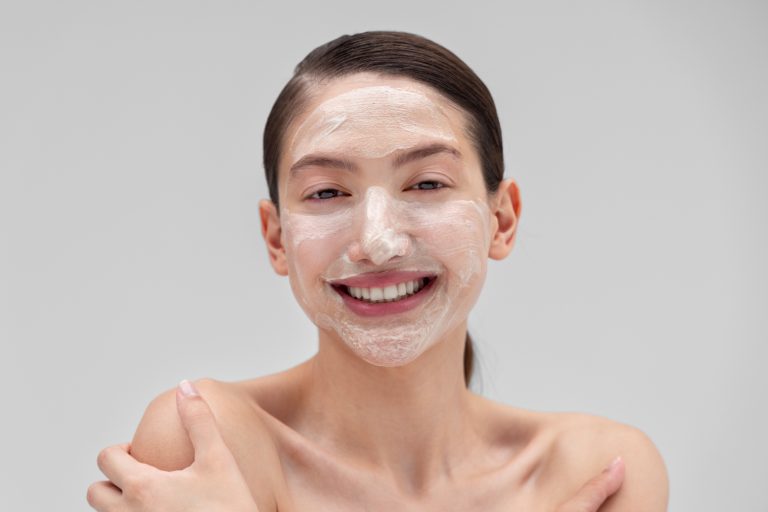
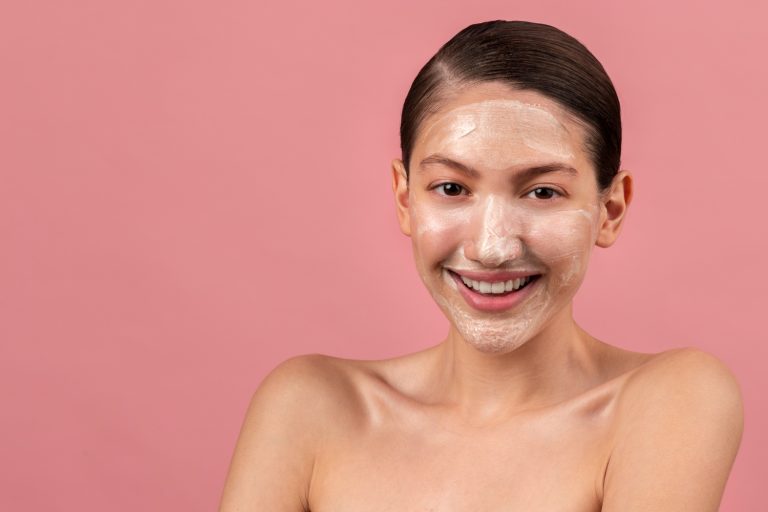
Sourdough mask preparation
Creating an effective sourdough mask needs careful attention to detail. Our testing shows the best preparation has:
- Clean, sterilized equipment
- Fresh, active sourdough starter
- Room temperature application
- Proper consistency (as with thick yogurt)
- Optional natural additions like honey or oatmeal
Our experiments show that consistency is a vital factor – too thin and it runs, too thick and it won’t spread well. Mix your starter until it reaches a smooth, spreadable texture.
Commercial product usage
Commercial products work best when applied in the correct order. Here’s our tested sequence that gives optimal absorption:
- Clean well
- Apply water-based products first
- Follow with oil-based formulations
- Finish with thicker creams
Waiting 30-60 seconds between layers lets products absorb better and prevents pilling.
Frequency recommendations
Here are specific frequency guidelines based on product type and skin sensitivity:
| Product Type | Normal Skin | Sensitive Skin | Maximum Usage |
|---|---|---|---|
| Sourdough Mask | 2-3x weekly | 1x weekly | 3x weekly |
| Commercial Toner | Daily | Every other day | 2x daily |
| Commercial Serum | Daily | Every other day | 2x daily |
Our testing shows that consistency matters more than frequency. Start with once-weekly applications of sourdough probiotic skincare and gradually increase based on your skin’s response.
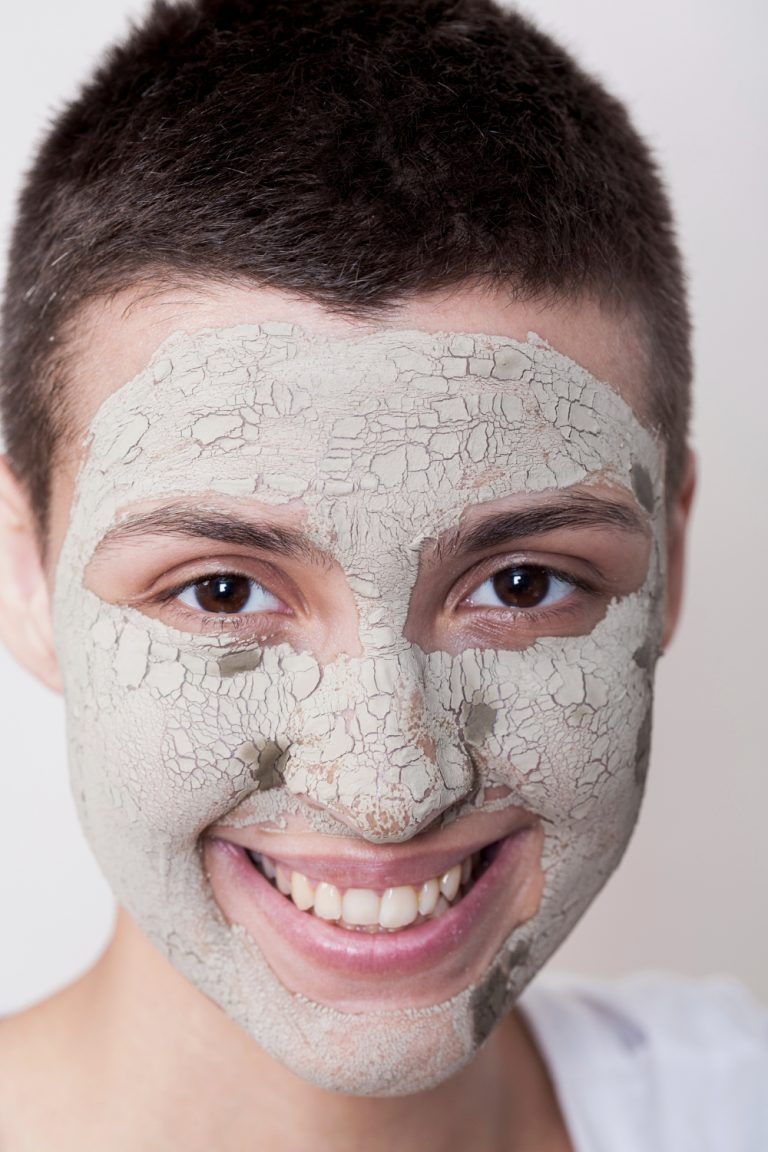
The best results come from applying sourdough masks for 10-15 minutes. More extended applications can cause the mask to dry and crack, which might reduce its effectiveness. Commercial products work best when you follow the manufacturer’s instructions while watching your skin’s response.
Temperature plays a substantial role in both types of applications. Products work best on clean, slightly damp skin at room temperature, but extreme temperatures can affect the effectiveness of active ingredients.
Proper storage between applications is a significant factor. Keep sourdough starters in a cool, dark place, and store commercial products according to their specific needs—some need refrigeration, while others stay at room temperature.
As I wrote in the section about patch testing, this step remains vital for both sourdough and commercial applications. Always do a 24-hour patch test before trying any new product or preparation method.
Comparison Table
| Aspect | Sourdough Probiotic Skincare | Commercial Skincare |
|---|---|---|
| Active Components | – Lactic acid bacteria – Natural probiotics – Antioxidants – Bioactive peptides – Organic acids | – Retinol – Vitamin C – Hyaluronic acid – Emulsifiers – Preservatives |
| Anti-aging Benefits | – Stops cell decay – Reduces collagen breakdown – Helps skin hold moisture – Makes skin more radiant | – Gets collagen production going – Speeds up cell turnover |
| Inflammation Response | – Results show up slowly – Benefits last longer – Almost no side effects | – Quick relief – Results vary in duration – Might irritate skin at first |
| Monthly Cost | $5-10 upkeep cost | $30-100+ based on brand |
| Environmental Impact | – Hardly any packaging waste – Uses local ingredients – Breaks down naturally – Containers you can reuse | – Lots of packaging waste – Worldwide shipping needed – Usually won’t break down – One-time-use materials |
| Recommended Frequency | – Regular skin: 2-3 times weekly – Sensitive skin: once weekly | – Once or twice daily (changes with product type) |
| Shelf Life | It needs fresh prep each time | 12 months to over 3 years |
| Safety Concerns | – Success depends on proper prep – Risk if not handled right – Needs clean preparation | – Might cause skin reactions – Can irritate right away – Delayed reactions possible |
Conclusion
A complete analysis shows apparent differences between sourdough probiotic skincare and commercial products. Sourdough skincare provides natural probiotic benefits and costs less while having minimal environmental effects. However, it does need more prep time and careful handling. Commercial products are convenient with quick results, but they cost more and raise environmental concerns.
Research backs both methods, but sourdough’s probiotic benefits look especially promising for skin health over time. Commercial products do better with standardization and quick effects. Sourdough skincare creates lasting improvements by supporting the microbiome and boosting the natural skin barrier.
The numbers strongly favor sourdough options. Compared to high-end commercial products, you can save up to 80% each month. Sourdough approaches are also better for the environment. They eliminate most packaging waste and reduce the carbon footprint of commercial skincare.
Your specific needs, available time, and skincare goals should guide your choice. Sourdough skincare works well for people who want natural, environmentally responsible solutions and can spend time on preparation. People who need convenience and quick results should stick to commercial products.
The Yeast We Can Do offers authentic artisanal starters for your sourdough skincare trip. To get your premium starter, email john@theyeastwecando.com. It’s perfect for making exceptional bread and pizza with that perfect tangy flavor and for cleaning your skin.
Both methods can give you great skincare results if you use them correctly. Try both to find what works best for your skin. Note that you should always patch test and watch how your skin responds.
FAQs
Is sourdough skincare more beneficial for your skin than commercial products? Sourdough skincare offers unique benefits due to its probiotic content. Research suggests that the lactobacillus bacteria in sourdough can improve skin barrier function and reduce inflammation. Additionally, the fermentation process in sourdough produces antioxidants known to be beneficial for skin health. However, sourdough and commercial skincare products have their advantages, and the best choice depends on individual skin needs and preferences.
How effective is probiotic skincare in practice? While probiotic skincare is theoretically promising, practical effectiveness is still being studied. The idea is that adding beneficial bacteria to the skin could help balance the skin’s microbiome, especially if it’s out of balance. However, more research is needed to fully understand probiotic skincare products’ long-term effects and optimal application methods, including those made with sourdough.
What are the advantages and disadvantages of using sourdough in skincare? Sourdough skincare has benefits, including its natural probiotic content, potential anti-inflammatory properties, and the presence of beneficial compounds like antioxidants. It’s also more environmentally friendly and cost-effective in the long run. However, disadvantages include the need for careful preparation, the potential for contamination if not handled properly, and the time investment required for DIY skincare routines.
Is it safe to apply sourdough starter directly to your face? While some people report benefits from doing so, it’s essential to exercise caution. The beneficial bacteria and enzymes in sourdough starter may help balance skin pH and alleviate redness. However, ensuring the starter is fresh, clean, and free from contamination is crucial. Always perform a patch test first and consult a dermatologist before incorporating sourdough into your skincare routine, especially if you have sensitive or existing skin conditions.
How do the costs of sourdough skincare compare to commercial products? Sourdough skincare can be significantly more cost-effective in the long run. Our analysis shows that DIY sourdough skincare can reduce monthly expenses by up to 80% compared to premium commercial products. While there’s an initial investment in ingredients and tools, ongoing maintenance costs for sourdough skincare are typically only $5-10 per month, compared to $30-100+ for commercial products.
What are the environmental impacts of sourdough skincare versus commercial products? Sourdough skincare has a much lower environmental impact compared to commercial products. It generates minimal packaging waste, uses local ingredients, and produces biodegradable byproducts. On the other hand, commercial skincare often involves significant packaging waste, global supply chains, and non-biodegradable materials. The beauty industry generates over 120 billion packaging units annually, with only 9% of plastic packaging recycled globally.
How often should I use sourdough skincare products? Based on our research, we recommend using sourdough skincare masks 2-3 times weekly for normal skin and once weekly for sensitive skin. einessentialltoott with less frequent applications gradually increases based on your skin’s response. AlConstantlyonitor your skin carefully and adjust usage as needed.
Are there any safety concerns with using sourdough for skincare? While sourdough skincare can be beneficial, there are some safety considerations. The efficacy and safety depend on proper preparation and storage methods. There’s a risk of contamination if not handled hygienically. It’s crucial to maintain strict cleanliness standards when preparing sourdough skincare treatments. Always perform a patch test before fucompletepplication and discontinue use if you experience any adverse reactions.