How to Craft the Best Sourdough Empanada Dough: A Step-by-Step Guide
The popularity of sourdough baking jumped 400% in 2020. People learned to make simple bread at home, and now we can try something more adventurous.
Traditional empanada dough works well, but sourdough empanada dough creates magic in your kitchen. Natural fermentation adds complex flavor layers, creating flakiness that regular dough cannot achieve. Our team spent months perfecting this sourdough empanada dough recipe and tested countless combinations.
Creating homemade empanada dough with sourdough requires more than the recipe following. You need to understand the science of fermentation and become skilled in the art of lamination. Your reward? The dough turns out incredibly flaky, tender, and delightfully tangy.
Want to elevate your empanada creation to a new level? Let’s examine our step-by-step guide to creating unforgettable homemade empanadas.
Understanding Sourdough Fermentation
Sourdough fermentation is the magic behind the most flavorful and tender empanada dough. Understanding this process is vital to achieving the perfect results we all want.
How Sourdough Affects Empanada Texture
Sourdough does more than add flavor to empanada dough – it reshapes the entire texture. The fermentation process breaks down flour proteins and starches into smaller, more digestible pieces, creating a uniquely tender result. The higher fat content in our dough works with the sourdough to slow down gluten formation. This combination gives us that melt-in-your-mouth texture we aim for.
Optimal Fermentation Times
Timing makes all the difference with sourdough empanada dough. The sweet spot for fermentation usually falls between 6 and 8 hours at room temperature. Temperature is a vital factor in determining fermentation speed. The best balance of flavor and texture comes at 19°C (66°F).
Signs of Perfect Fermentation
These indicators show when empanada dough reaches optimal fermentation:
- The dough should have a smooth, slightly shiny surface
- Volume should increase by about 50-75% (not fully doubled)
- The texture should feel elastic and only slightly tacky
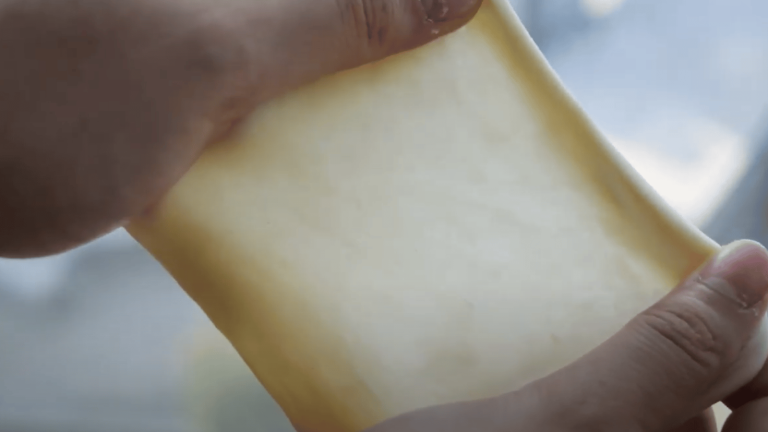
- When pulled, the dough should follow your finger without breaking
- A gentle poke should leave an impression that slowly springs back
People often rush the fermentation process. Note that we’re not just waiting for the dough to rise – complex flavor compounds need time to develop. The sourdough starter adds a delicate tanginess that pairs beautifully with both savory and sweet fillings.
Our sourdough empanada dough works well with either active starter or discard. An active starter will give a milder flavor, while a refrigerated discard creates a more pronounced tangy profile. Both are delicious, but they are just different. These variables can be adjusted to create your perfect empanada dough.
Essential Ingredients and Equipment
You need the right ingredients and tools to make the best sourdough empanada dough. We tested many combinations for a reliable setup that consistently delivers excellent results.
Choosing the Right Flour Blend
Our testing shows the perfect flour ratio for sourdough empanada dough: 70% all-purpose flour and 30% bread flour. This blend gives the dough the right protein content for a flaky texture and keeps it easy to work with. A kitchen scale helps you measure ingredients accurately and makes our recipe more consistent.
Sourdough Starter Preparation
We keep our sourdough starter in a clear glass container with straight edges to track fermentation easily. Two containers work best—one for the fridge and another for active feeding. The starter should be at its peak activity before making empanada dough, usually 4-8 hours after feeding at room temperature.
Tools for Success
These tools will help you create perfect sourdough empanadas:
- Kitchen Scale – You can’t skip this one for accurate measurements
- Glass Containers – To store and monitor your starter
- Bench Scraper – You’ll need this to handle and shape the dough
- Baking Stone or Steel – To get that perfect crust
- Rolling Pin – To roll dough evenly
- Pastry Brush – To sweep off extra flour
- Parchment Paper – To transfer and bake easily
You don’t need fancy equipment to get great results. These simple tools will do the job well. The bench scraper has become our favorite tool in the kitchen.
You can make amazing empanada dough without spending too much money. Start with a good kitchen scale and bench scraper. These two tools will make the most significant difference in your baking.
Your technique and attention to detail matter more than expensive equipment. Once you understand how sourdough works, simple tools can produce excellent results.
Mastering the Mixing Process
The secret to perfect sourdough empanada dough is becoming skilled at mixing. My countless trials have shown that this significant step builds the foundation for those beautifully flaky layers we want to achieve.
Incorporating the Starter
Our starter needs to be at peak activity before we begin. The starter mixes better with room-temperature water to create an even distribution throughout the dough. The flour mixture should reach what I call the “shaggy stage”—the dough looks somewhat messy, but all the flour gets hydrated. This original stage helps with proper fermentation and gluten development.
Developing Proper Gluten Structure
A strong gluten network helps achieve that perfect empanada texture. My testing shows these clear signs of proper gluten development:
- The dough becomes smooth and elastic
- The surface appears slightly shiny
- Stretches without tearing when pulled
- Holds its shape when folded
- Passes the windowpane test
Gentle folding techniques work better than aggressive kneading for sourdough empanada dough. The dough needs strength while keeping those delicate butter layers that create our flaky texture.
Temperature Control Tips
Temperature management is vital for successful dough development. Here’s our proven process to maintain optimal temperature:
- Start with water at 85°F if your room is cool, or 65°F if working in a warm kitchen
- Keep dough temperature between 76-78°F during mixing
- Monitor room temperature – adjust mixing time accordingly
- Use cooler water if your hands tend to warm the dough quickly
- Check dough temperature with an instant-read thermometer
Temperature affects both fermentation and gluten development. The dough develops gluten substantially slower when it’s too cold (below 70°F). The butter can become too soft if it’s too warm (above 80°F), which affects our final texture.
Sourdough empanada dough requires patience and attention to detail. The process creates an environment where fermentation and gluten development work together perfectly. Proper temperature control and mixing techniques set up success for the later stages of dough development.
Perfecting the Lamination Technique
Lamination brings together art and science in our sourdough empanada trip. After many tests, I found that this significant technique creates extraordinary flaky layers that make our empanadas unique.
Creating Flaky Layers
Perfect layers come from proper lamination timing. The process begins after our original mixing when the dough develops elasticity. Here’s our tested lamination process:
- Prepare a clean surface with a light water mist
- Gently stretch the dough into a large rectangle
- Fold one-third towards the center
- Bring the opposite third over the first fold
- Turn 90 degrees and repeat the process
- Allow 30-60 minutes to rest between folds
Butter Integration Methods
When adding butter to our sourdough empanada dough, the right temperature makes all the difference. The butter should be cold but pliable – around 65°F (18°C) works best. Here’s the quickest way to do it:
Start with cold butter and mix it into the flour using a food processor or stand mixer. This creates small, even butter pieces that later become those sought-after flaky layers. You want visible butter pieces about the size of small peas. These create steam pockets during baking and give you that perfect flaky texture.
Common Lamination Mistakes
After making countless batches, I’ve seen several issues that can affect our dough’s quality:
- Overworking the dough during lamination
- Using too much flour during folding
- Laminating when the dough is too cold or too warm
- Not allowing adequate rest time between folds
- Creating uneven layers during the folding process
Note that patience is vital. Rushing the lamination process can ruin the careful gluten structure we built during mixing. A light water mist works better than flour to prevent sticking with high-hydration dough. This helps maintain proper moisture and creates beautiful layers.
Lamination works best early in fermentation, right after our original mixing and first set of folds. This timing helps the dough develop strength while keeping those delicate butter layers that create our signature flaky texture.
We don’t want the intense lamination of croissants. Our goal is subtle layering that improves the empanada’s texture while keeping its structure intact. The result should be a dough that’s strong enough to hold our filling but delicate enough to shatter into flaky shards when bitten.
Shaping and Assembly Secrets
After becoming skilled at lamination, you can turn your perfectly fermented dough into beautiful empanadas. The final shaping process makes many homebakers stumble. Our proven techniques will help you achieve professional results every time.
Rolling Thickness Guide
Testing countless batches shows the ideal thickness for sourdough empanada dough is ¼-inch for a substantial crust or ⅛-inch for a lighter bite. Start by dividing the dough into 1.5-ounce portions and shape them into balls. Here’s our foolproof rolling process:
- Lightly dust your work surface (too much flour can make the dough tough)
- Roll each portion into a 5-6-inch circle
- Maintain even pressure while rolling
- Rotate the dough 45 degrees between rolls
- Check thickness consistency with your fingertips
Sealing Techniques
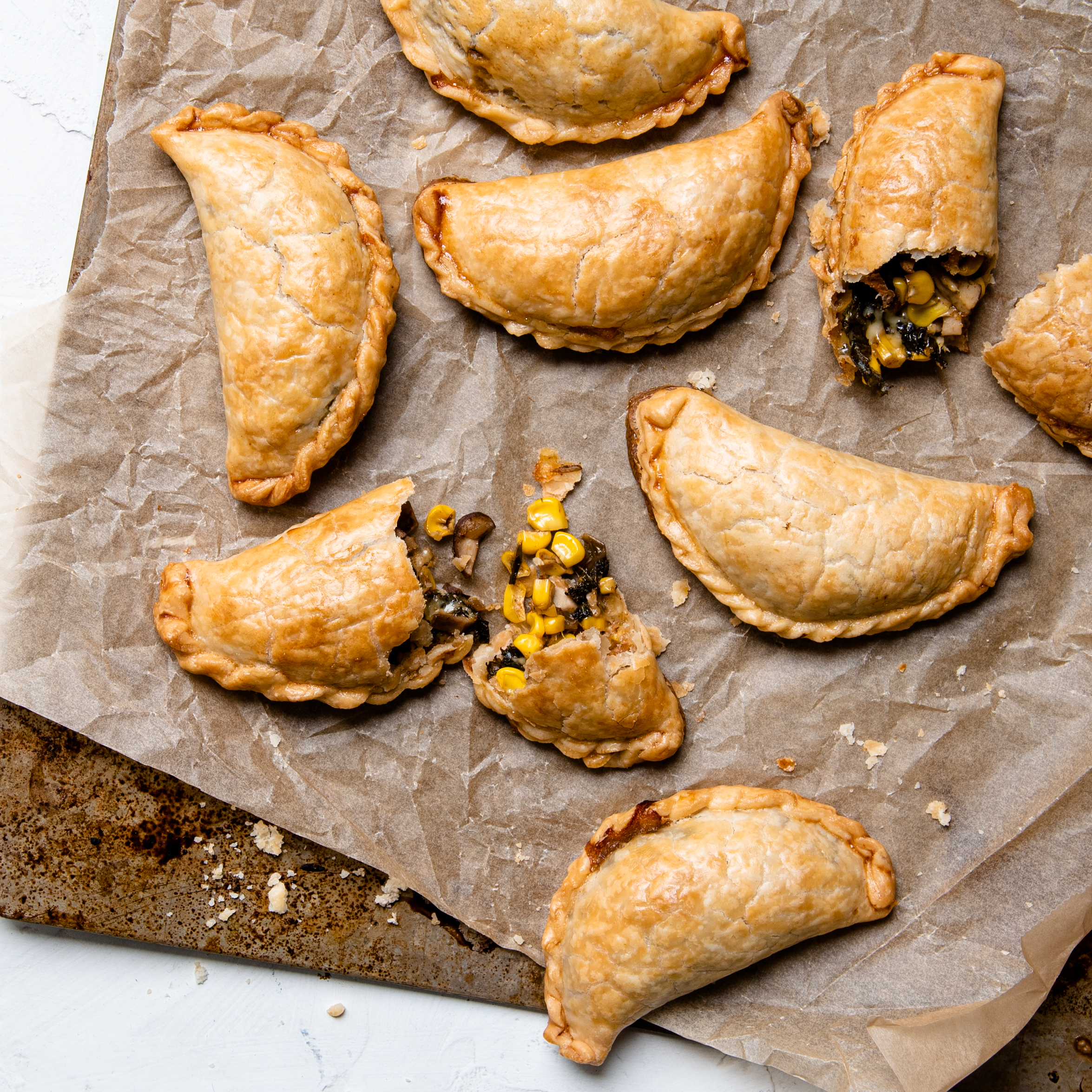
There are two main methods for sealing empanadas. While many home cooks use the fork-crimping method, the traditional repulse technique creates a more secure seal and enhances the appearance of the empanadas.
The traditional repulse method works like this:
- Fold the dough over your filling to create a half-moon
- Press edges together firmly
- Working from one end, fold and twist the edge over itself
- Continue this braiding motion along the entire seal
Preventing Filling Leaks
Experience with thousands of empanadas reveals the significant factors that prevent filling leaks. Never overfill your empanadas – 2-3 tablespoons of filling works perfectly for a 5-inch circle. A ½-inch margin around the edges provides enough room for a secure seal.
Temperature control matters even during shaping. Keep shaped empanadas refrigerated while working on the remaining portions. This step maintains your carefully crafted layers and stops the butter from softening excessively.
A game-changing tip involves using a spatula to transfer freshly baked empanadas to a wire rack right after baking. This prevents soggy bottoms from any minor filling leaks during baking.
Our sourdough empanada dough needs careful attention to hydration. If it feels too dry and cracks during shaping, let it warm slightly at room temperature to improve flexibility. A brief rest in the refrigerator restores workability if the dough becomes sticky.
This sourdough empanada dough shines in its versatility. While keeping these core techniques, you can adjust the thickness and size to suit different fillings. The dough works well with traditional meat fillings and creative dessert variations. These fundamental shaping skills open up endless possibilities.
Understanding your dough’s behavior is critical to achieving a perfect seal. The right temperature and moisture balance throughout shaping create beautiful empanadas that are structurally sound.
Conclusion
Creating perfect sourdough empanada dough requires patience, practice, and an understanding of solid techniques. Our extensive testing shows that success depends on mastering each vital step, from proper fermentation timing to precise lamination techniques.
The perfect combination of the right tools, temperature control, and attention to detail creates the magic. By following our tested mixing, laminating, and shaping methods, you can create empanadas with flaky layers and signature sourdough tang.
Your sourdough experience starts here. Take your bread and pizza to new heights with an authentic artisanal sourdough starter from The Yeast We Can Do. Our small-batch starter helps passionate home bakers and restaurant owners add true sourdough’s distinctive flavor to their creations. The result is exceptional bread and pizza with perfect tang and signature crust. Email john@theyeastwecando.com to get your premium sourdough starter.
Note that exceptional sourdough empanadas come from understanding the process naturally. These techniques need practice and attention to your dough’s signals. You’ll soon become skilled at creating these delicious treats. Patience brings beautiful and incredibly tasty empanadas to your table.
FAQs
What type of dough is typically used for making empanadas?
Empanadas are generally made from a type of shortcrust pastry dough, which is buttery and flaky, similar to the pastry used for pies.
Can I use a different dough as a substitute for traditional empanada dough?
If you don’t have traditional empanada dough, you can substitute store-bought pie dough or premade dough for turnover pastries. These alternatives might be flakier than traditional empanada dough and better suited for baking than frying.
Is empanada dough the same as pastry dough?
No, empanada dough is not the same as regular pastry dough. It is designed to be more tender and has a higher flour-to-fat ratio, making it sturdy enough to encase fillings. To achieve the right consistency, empanada dough often includes butter, lard, or an additional egg.
How does empanada dough differ from tortilla dough?
Empanada dough and tortilla dough are quite different. Empanada dough is typically made with a higher ratio of flour to fat and is used to wrap around fillings, requiring minimal kneading to keep it tender and flaky. In contrast, tortilla dough, especially for corn tortillas, is made from masa nixtamalera, a dough from corn treated in a lime solution, and is pressed into thin patties.