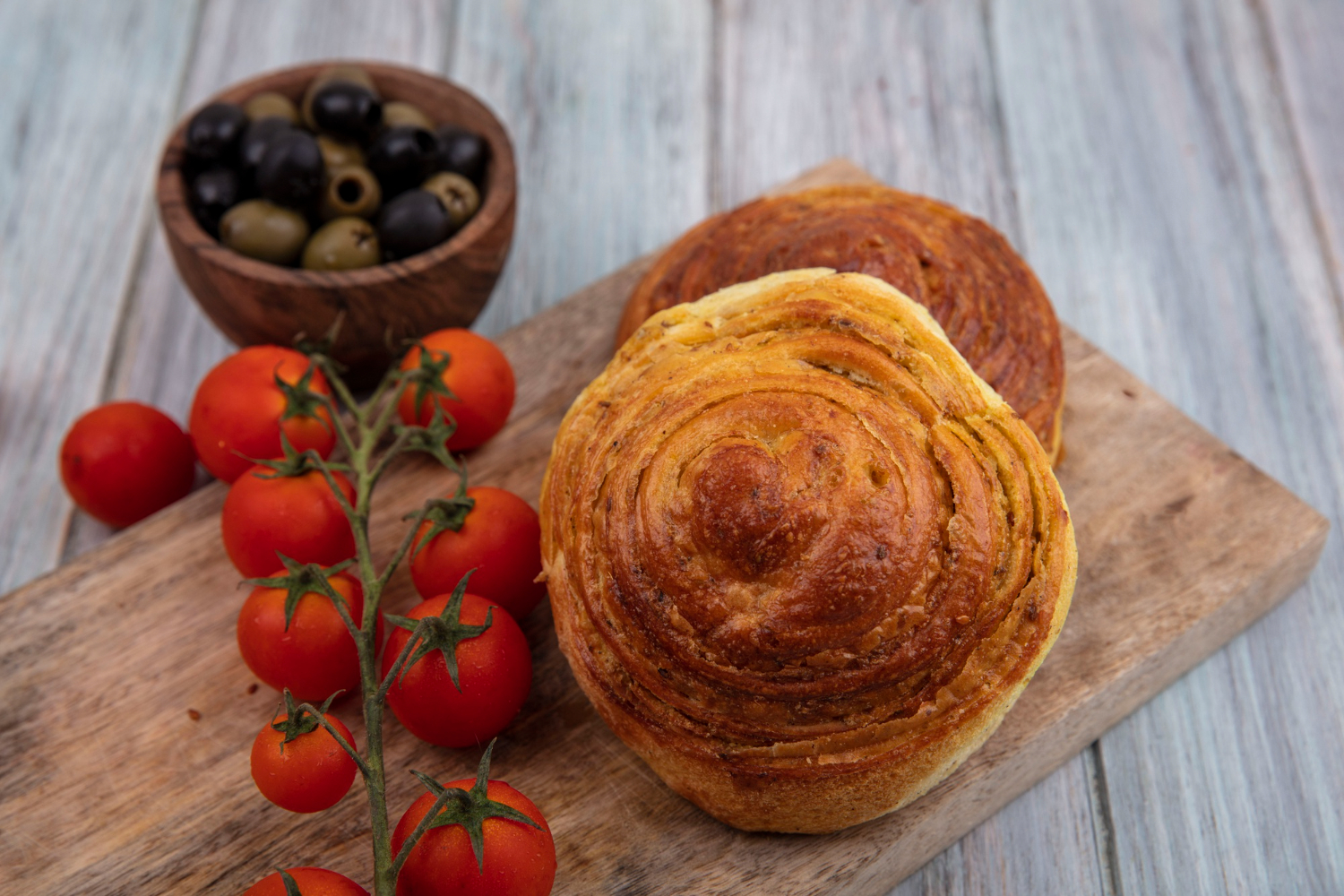
How to Make Mediterranean Sourdough Bread with Olives, Herbs, and Tomatoes
Mediterranean sourdough bread brings together time-tested fermentation methods with southern Europe’s bold flavors. The bread’s tangy complexity of sourdough blends perfectly with aromatic herbs, briny olives, and sun-dried tomatoes. Each loaf captures Mediterranean cuisine’s essence and transforms simple meals into memorable experiences.
This detailed guide helps you create authentic Mediterranean sourdough bread at home. You’ll discover how to prepare an active sourdough starter and add Kalamata olives with fresh herbs. The guide shows proper scoring techniques and steam baking methods to achieve the perfect crust. Classic Mediterranean ingredients like rosemary, oregano, and olive oil create a savory loaf that tastes amazing with cheese, spreads, or simply by itself.
Preparing the Sourdough Starter and Dough
A robust sourdough starter and proper dough development create the foundation of Mediterranean sourdough bread. This significant initial phase establishes the base that allows Mediterranean flavors to shine through the baking process.
Feeding and activating the sourdough starter
Your sourdough starter needs regular feeding to stay strong and active. The simple feeding process follows a 1:1:1 ratio (starter:flour:water by weight). Here’s how to get the best results:
- Take out half of your existing starter
- Mix in equal amounts of flour and water by weight
- Stir everything together until it looks like thick pancake batter
- Keep the mixture at 75-80°F and let it double in size (4-8 hours)
Mixing the dough ingredients
Your starter needs to show active bubbling before you mix it into the dough. Prepare the base dough first and add Mediterranean ingredients like olives and herbs later. Mix the flour, water, and active starter until the flour becomes fully hydrated. A strong dough base will effectively hold the weight of Mediterranean add-ins.
Autolyze and original fermentation
The autolyze process plays a vital role in developing the dough’s structure. This significant step combines flour and water that rest for 30-60 minutes before you add the starter and salt. The autolyze process offers several benefits:
- Improved dough extensibility
- Reduced mixing time
- Better flavor development
- Improved crumb structure
The next step involves incorporating the starter and salt to begin bulk fermentation. The dough develops strength and flavor during this process and increases in volume by approximately 50%. The dough needs a consistent temperature between 75-80°F for 3-5 hours to ferment properly.
Adding Mediterranean Flavors
The perfect Mediterranean flavor profile emerges from careful preparation and essential ingredients. Aromatic herbs, briny olives, and sun-dried tomatoes turn a simple sourdough into an authentic Mediterranean creation.
Preparing the olive, herb and tomato mixture
Mediterranean sourdough bread’s magic comes from its perfectly prepared add-ins. Sun-dried tomatoes preserved in olive oil need a fine chop into small pieces. Their natural oil adds rich flavor throughout the bread. Castelvetrano or Kalamata olives work equally well, but you need to:
- Rinse them really well under running water
- Pat them dry to remove excess brine
- Keep them whole or roughly chop them as you like
- Use about 1 cup (100-130g) per 500g of flour
The classic herbes de Provence blend creates a perfect aromatic base with its mix of savory, thyme, rosemary, basil, tarragon and a subtle hint of lavender.
How to Add Flavorings to the Dough
Mediterranean ingredients need precise timing during the bulk fermentation phase. The process starts after the original dough development and base strength achievement. The sun-dried tomatoes’ residual oil enhances both flavor and texture. This creates a softer crumb and develops a more complex taste profile.
Folding techniques for even distribution
The stretch and fold technique will give you an even distribution of ingredients in the dough. Here’s what you need to do:
- Spread 1/4 of the olive-herb mixture over the dough surface
- Perform the first stretch and fold, bringing the dough edges to the center
- Rotate the bowl 180 degrees and add another 1/4 of the mixture
- Complete another fold and rotate 90 degrees
- Continue this pattern until all ingredients are incorporated
Your goal is to create flavorful layers while keeping the dough strong. Don’t worry if some ingredients show through the surface – this adds to your final loaf’s rustic look. The dough needs three complete sets of these folds during bulk fermentation. This helps distribute ingredients properly and develops the right structure.
Shaping and Proofing the Loaf
Professional shaping and proofing methods reshape a well-developed Mediterranean sourdough into an artisanal loaf that preserves its handcrafted flavors. This vital stage demands precise attention and careful handling to keep the dough’s structure intact with all its ingredients.
Pre-shaping and bench rest
A light dusting of rice flour on the work surface starts the pre-shaping process. The baker uses a dough scraper to ease the dough onto the counter with its smooth side down. The original shaping creates a loose round that needs to rest for 20-30 minutes. This bench rest relaxes the gluten and makes final shaping easier, which prevents the dough from resisting during manipulation.
Final shaping into a boule or batard
Mediterranean sourdough works beautifully in both boule and batard shapes. A batard shape distributes olives and herbs more evenly throughout the bread. Here’s how to shape your dough:
- Dust the work surface lightly with rice flour
- Turn the pre-shaped dough over with its smooth side down
- Create a rectangle by folding the sides toward the center
- Roll the dough with firm tension to maintain its shape
- Press the seam firmly to seal it, and pinch the ends if making a batard
Overnight cold fermentation
Place your shaped loaf in a well-floured banneton with the seam side up to begin its final fermentation. Cold fermentation at 38-42°F in your refrigerator brings several benefits:
- Better flavor development
- Superior crust formation
- Easier dough handling when you score
- Longer shelf life
Your dough needs 24-48 hours in cold storage. Mediterranean flavors blend and develop during this time. A plastic bag or damp tea towel should cover the banneton loosely. This prevents the surface from drying while air circulates properly. The long fermentation creates that distinctive sourdough tang and preserves your herbs and olives’ aromatic qualities.
Baking the Perfect Mediterranean Sourdough
Making an authentic Mediterranean sourdough bread just needs precise temperature control and attention to steam generation in its final stage. This significant step changes the prepared dough into a masterpiece. The result is bread with a crackling crust and tender crumb.
Preheating the oven and baking vessel
The trip from dough to bread starts with proper preheating. Your oven should be set to 450°F/230°C with the baking vessel inside. A 30-45 minute preheat will give a consistent temperature throughout the baking chamber. You can choose between two methods that work well:
- Traditional Dutch oven approach for contained steam
- Open baking with added steam generation
Scoring designs
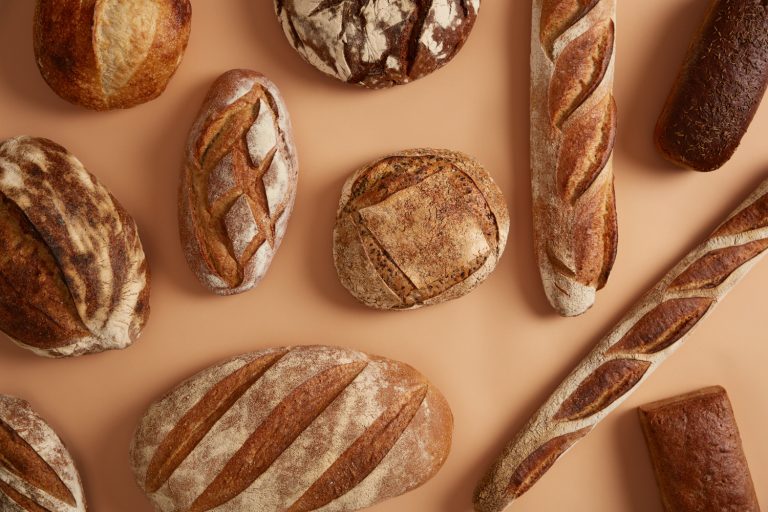
Mediterranean sourdough bread showcases beautiful scoring patterns that serve both practical and visual purposes. The baker should score cold-proofed dough right before it goes into the oven. Here’s how to do it:
- Take the dough out of the refrigerator
- Apply a light dusting of flour on top
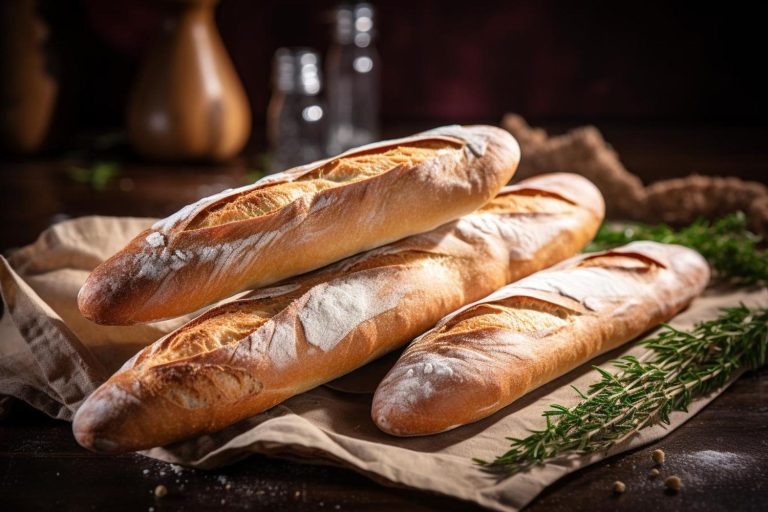
- Make cuts at a 45-degree angle between ¼ to ½ inch deep
- Start with one deep central score that allows proper expansion
- Add delicate decorative cuts to create patterns like olive branches or wheat stalks
Steam baking for optimal crust
The first 20 minutes of baking need steam to develop a perfect crust. The open-baking method requires a pan with lava rocks or ceramic briquettes placed at the oven’s bottom. You can generate continuous steam by pouring boiling water over rolled kitchen towels in a separate pan. This combination creates the perfect environment that ensures optimal oven spring and crust development.
Cooling and slicing the finished loaf
Bread continues to bake even after you take it out of the oven. A wire cooling rack should receive the hot loaf right away. The cooling process has several significant objectives:
- Completes the starch retrogradation process
- Allows even moisture distribution
- Develops optimal crust texture
- Will give a clean slice without gumminess
Your bread’s temperature should reach room level before cutting, which takes 1-2 hours based on its size. This waiting period rewards you with perfect Mediterranean flavors and creates an ideal texture that highlights the bread’s olives, herbs, and tomatoes throughout the crumb.
Conclusion
Mediterranean sourdough bread combines traditional fermentation techniques with Mediterranean flavors and just needs careful attention at each step. The process builds naturally – you’ll start with a strong starter, then focus on proper dough structure, and add olives, herbs, and tomatoes at the right time. The cold fermentation process helps flavors combine perfectly and creates the right dough texture. Steam baking techniques give you that crackling crust and soft interior that shows off the Mediterranean ingredients beautifully.
Bakers who become skilled at Mediterranean sourdough bread get both technical pride and amazing flavor results. This versatile loaf captures authentic Mediterranean tastes in every bite. Home bakers and restaurant owners can start their sourdough trip and raise their bread and pizza skills with an authentic artisanal sourdough starter from The Yeast We Can Do. Our premium starter gives you that perfect tangy flavor and signature crust – just email john@theyeastwecando.com to get yours. This rustic, flavorful bread is proof of your baking expertise and opens up endless possibilities for creative variations and Mediterranean-inspired meals.
FAQs
Can I incorporate herbs into my sourdough bread?
Yes, you can add various fresh herbs to your sourdough bread to enhance its flavor. Herbs such as parsley, thyme, basil, rosemary, and sage are excellent choices and blend well with the bread’s natural flavors.
Is sourdough bread suitable for a Mediterranean diet?
Sourdough bread is indeed suitable for a Mediterranean diet as long as it is made from whole wheat, whole grains, or sprouts. It’s advisable to avoid bread made from refined grains like white bread to adhere to the diet’s guidelines.
What is the secret ingredient that enhances sourdough bread?
A crucial but often overlooked ingredient in making perfect sourdough bread is filtered water. The quality of water can significantly affect the outcome of your sourdough, impacting everything from the starter’s activity to the dough’s texture.
What are some tips for making excellent sourdough bread?
To achieve great sourdough bread, use your starter when it’s most active, and moisten the dough’s surface before baking to help it rise better. Handle the dough gently, use sifted flour to prevent denseness, and consider soaking your flour for a lighter loaf. Adding just the right amount of water can also make your sourdough softer.